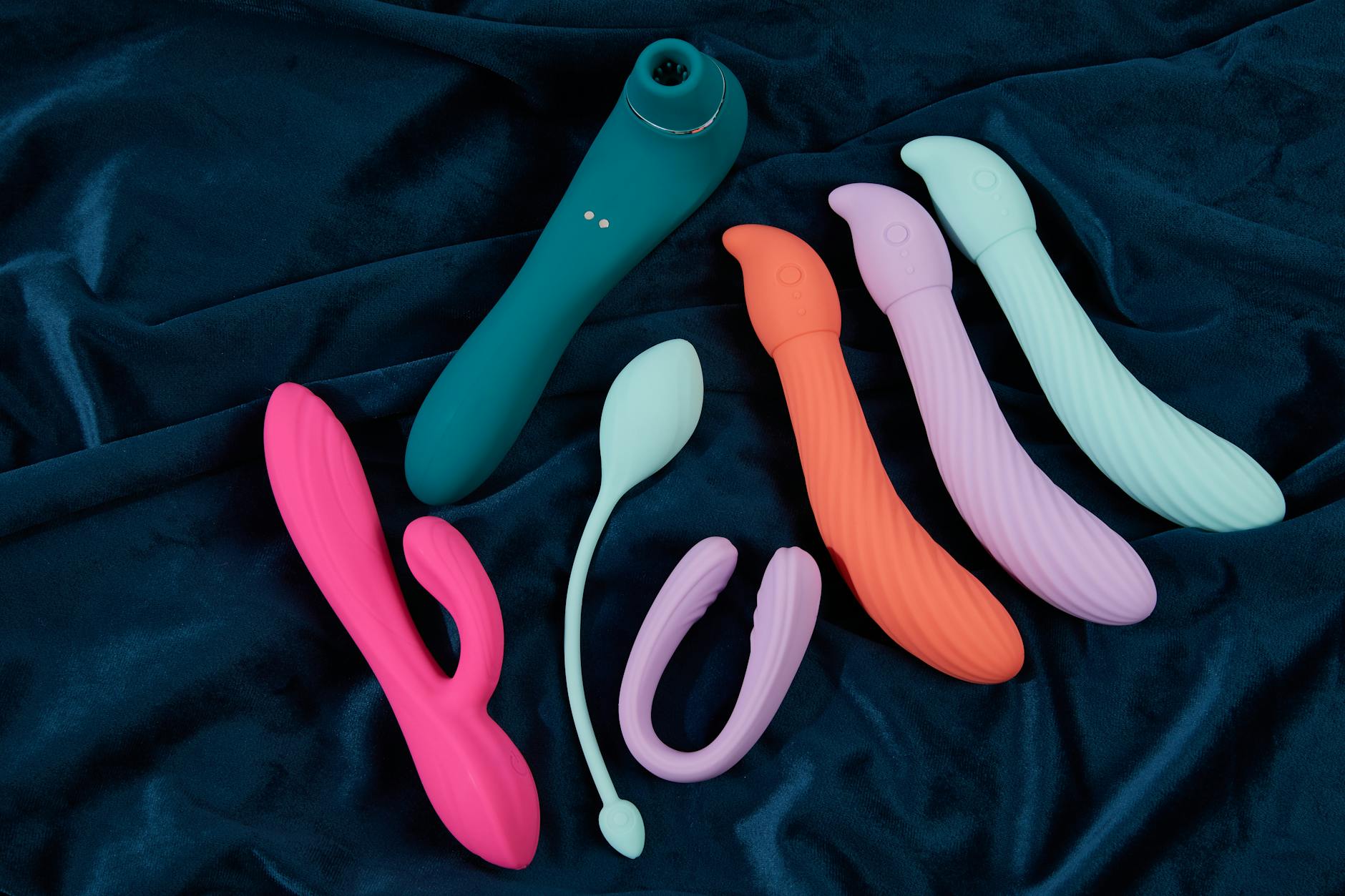
Let's talk about the technology you're actually feeling
Here's the thing about vibrators: most people assume all vibration is the same. You turn it on, it buzzes, pleasure happens. But the actual mechanics vary wildly. A traditional vibrator and a lemon-style air-suction toy create totally different sensations in your body, and understanding why matters if you have sensitive clitoral tissue or you're tired of that numb feeling that comes with conventional vibration.
I work with couples navigating pleasure together, and one pattern I see constantly is someone saying, "I love the concept, but it's too intense too fast." Often they've only tried traditional vibrators. Once they switch to a lemon clitoral vibrator, the whole dynamic changes. The pleasure builds differently. The intensity feels more accessible. So let's break down what's actually happening below the surface.
How traditional vibration stimulates the clitoris
A standard vibrator works through oscillation. A small motor vibrates back and forth (usually 2,000 to 10,000 times per second, depending on the toy). That rapid movement creates direct friction against tissue. The sensation is concentrated, intense, and fast-acting. For many people, that works beautifully. For others, especially those with sensitive tissue or who experience sensory overwhelm, it can feel too much too soon.
Here's what I tell people: traditional vibration excels at direct, forceful stimulation. It wakes up the nerve endings quickly. But that speed can also numb the area over time. You keep chasing the same feeling, and the toy needs to go faster or harder to deliver it.
There's also a plateau effect. Traditional vibrators hit peak intensity almost immediately. You're not building toward something. You're at maximum from the first few seconds, which eliminates the pleasure of escalation.
How lemon-style air-suction vibrators work differently
Air-suction technology (the style Hello Nancy uses in the Lem vibrator) works on a completely different principle. Instead of vibrating, it creates rhythmic pulses of gentle suction and release. Think of it less like buzzing and more like pulsing. The sensation is softer initially, and it builds in waves.
What's crucial: air-suction stimulates the entire clitoral network, not just the external glans. The clitoris is much larger than most people realize. It extends internally in a kind of wishbone shape. Traditional vibration mostly hits the external part. Air-suction reaches deeper tissue and the sensitive internal structures that don't respond as well to buzz-based stimulation.
The rhythm is also different. You can feel the pulses distinctly. Each cycle creates a small peak of sensation, so your pleasure builds in stages rather than hitting a flat maximum. Many people find this allows for longer sessions without desensitization.
The tissue sensitivity factor
Let's say your clitoral tissue is reactive or thin (which happens postpartum, after certain hormonal shifts, or as a natural variation). Traditional vibration can feel harsh. It's like turning a speaker all the way up when you wanted to listen to music. The texture of your tissue matters. Thin or reactive tissue responds better to gentle rhythmic pressure than to rapid oscillation.
Lemon-style clitoral vibrators are gentler because they distribute force over time instead of delivering it in rapid bursts. The suction pulls gradually, and the release is gradual. Nothing slams. Nothing buzzes against vulnerable skin. You're building pleasure through rhythm and subtlety, not raw motor speed.
I've worked with clients who had written off vibrators entirely because traditional toys were too intense. Switching to an air-suction design reshaped their relationship with pleasure. They could actually feel the build-up. They could control the experience without needing to turn something off midway through.
Why the build matters more than you think
Here's something most vibrator marketing skips over: your brain and body respond to escalation. Pleasure that builds is more satisfying than pleasure that arrives instantly. This is basic neurology. Anticipation primes your dopamine system. The climb matters.
Traditional vibrators skip the climb. You go from off to intense in 0.5 seconds. Your body doesn't get time to prepare. Your arousal system is still warming up, and the toy is already at maximum. That's why some people feel they need to warm up separately, which adds time and complexity.
Lemon-style lemon suction toys build gradually. The first pulses feel subtle. The second round feels a bit more present. By the time you're at intensity level 5, your body has been climbing the whole time. That's a fundamentally different experience. Many people report orgasms that feel fuller and last longer when they've had time to build, which is exactly what air-suction technology allows.
The sensation spectrum: What you're actually comparing
If I'm being clinical for a moment: traditional vibrators stimulate primarily through mechanical pressure and friction on superficial nerve endings. They work fast because they're targeting the easiest-to-reach receptors.
Lemon-style air-suction vibrators engage sustained pressure combined with rhythmic release. They work deeper into tissue and require that tissue to respond to pulses rather than vibration. Different nerve clusters respond to different stimuli, and air-suction activates a broader range.
Translated into real-world pleasure: traditional vibration often feels sharp, pointed, or one-dimensional. Air-suction feels layered. You notice the suction, then the release, then the building pressure. That complexity is what makes people say air-suction feels "richer."
Practical differences when you're actually using them
Let me give you specifics you'll notice immediately.
Warmup time: Traditional vibrators need minimal setup. Click and go. Air-suction toys benefit from 5-10 minutes of foreplay first. Your tissue needs to be engaged so the suction feels like a continuation of pleasure, not a sudden change.
Intensity control: Traditional vibrators usually have 3-5 speed settings that feel like quantum jumps. Level 2 might feel weak, level 3 suddenly aggressive. Air-suction toys have gentler gradations. You can really dial in the exact feeling you want.
Sensation progression: With traditional vibrators, you often feel sensation right at the external surface. With air-suction, sensation feels deeper and more internal. Some people prefer that because it feels less like something is happening to them and more like something happening within them.
Fatigue and numbness: This matters. Traditional vibration numbs tissue faster because it's intense and repetitive. Air-suction allows longer sessions without that numb feeling. You're not chasing an increasingly distant sensation.
When one style works better than the other
Traditional vibrators are excellent if you like direct stimulation, prefer fast intensity, or need orgasms quickly. They're reliable and straightforward.
Lemon-style air-suction vibrators excel if you have sensitive tissue, you value the pleasure of building over hitting maximum immediately, or you want longer sessions without numbness. They're also better if you're using a lemon vibrator with a partner and want to control intensity without jarring shifts.
Honestly, the best option is sometimes both. I've worked with couples who use traditional vibration for one partner and air-suction for the other, because their tissue and preference are different. It's not about one being objectively better. It's about which matches your body and what you want the experience to feel like.
How to know which style is right for you
If you've only ever tried traditional vibrators and felt overwhelmed, switch to air-suction. If you've tried air-suction and felt it wasn't strong enough, you might be someone whose tissue responds better to direct buzz. Neither is wrong.
The tell-all: if a traditional vibrator leaves you feeling numb or desensitized afterward, or if you need higher speeds to feel anything as a session goes on, try air-suction. The gentler, pulsing approach often resets your sensitivity. Your pleasure nerves get rest built into the rhythm. That's neurology, not philosophy.
Make the swap and give it three sessions before deciding. Your body needs time to adjust to a different stimulus. By session three, you'll know whether this style works for you or whether you're just someone who loves the buzz.
FAQ
Is air-suction less intense than vibration?
Not necessarily less intense, just different in how intensity is delivered. Air-suction builds pressure over time, while vibration hits hard immediately. Many people find air-suction reaches deeper pleasure even though it doesn't feel as sharp upfront. The intensity exists in complexity rather than force.
Can I feel numb if I use a lemon vibrator too much?
Desensitization happens with any repeated stimulus if you're not careful. But air-suction technology is gentler on tissue, so it takes longer to numb. The built-in pulses also give nerve endings micro-recovery periods. If you're experiencing numbness with air-suction, you're likely using it at high intensity for very long sessions. Back off to 20-30 minutes and lower settings, and your sensitivity will return.
Do lemon clitoral vibrators work during partnered sex?
Yes, and they're often better for partnered play than traditional vibrators because they're smaller and have gentler intensity. A lemon vibrator used during penetration or external play feels like an addition rather than a distraction. The rhythm doesn't overpower the other sensations happening.
Is the suction feeling weird at first?
Yes, for almost everyone. Your brain expects vibration based on prior experience. The first time you feel a pulse instead of a buzz, it's unfamiliar. That wears off after 2-3 uses. By your third session, your body recognizes the rhythm as pleasurable rather than novel. Don't judge it in the first 60 seconds. Let it work for a few minutes.
Will a lemon vibrator work if I have trauma or past negative sexual experiences?
Gently: pleasure tools can be helpful, but they're not therapy. If you have trauma history, working with a therapist who specializes in sexual health is valuable before or alongside exploring toys. That said, air-suction vibrators are often easier to control and feel less invasive than traditional vibrators, which some people find more emotionally safe. The ability to go slow and build gradually matters if you're healing.
Can men use air-suction vibrators effectively?
Absolutely. Air-suction works on any body with a clitoris, regardless of gender. Some men find the gentler approach better for the frenulum (the sensitive V under the glans). The suction and release rhythm can feel more complex than simple vibration, which some find more engaging. If you're curious, start with lower intensity settings.
Your pleasure doesn't have to match anyone else's. Whether you prefer buzz or suction, fast or slow, intense or gentle is completely your call. What matters is that you know what's available and can make an informed choice based on your actual body and what feels good to you.