Here's what nobody tells you about starting over
When a long-term relationship ends, you lose more than a person. You lose a rhythm. For years, maybe decades, your body learned to respond to one touch, one voice, one specific way of being desired. Then suddenly it's gone, and you're standing alone in front of your own pleasure with no map.
Most people feel awkward about solo pleasure after a breakup. Some feel guilty. Others feel numb. All of that is completely normal, and all of it passes. What makes it pass faster is actually touching yourself again on purpose, with intention, and without the cognitive load of managing someone else's experience.
The confidence gap is real, and it's not about your body
Here's the thing about sexual confidence after a long relationship: it's not that you've forgotten how to feel pleasure. Your nerve endings haven't gone anywhere. Your capacity for orgasm is still there. What's missing is the permission structure.
For years, your sexuality lived inside a partnership. You wanted things because your partner wanted them. You felt desired because someone was desiring you. That external framework gave you a reason to engage. Once it's gone, you have to build your own reason, and that requires a different kind of courage.
This is especially true if the relationship ended painfully. Your body might be carrying residual anxiety or rejection. You might associate pleasure with that person specifically, or feel weird about wanting anything at all. That's grief, and it deserves space before you push yourself into anything.
Three phases of rebuilding (and how long each one actually takes)
I've worked with countless clients rebuilding pleasure after long relationships, and there's a pattern that emerges.
Phase one: permission (weeks 1-4). You're giving yourself explicit permission to feel pleasure for yourself, not for anyone else. This sounds simple. It's not. You're working against years of neural conditioning that tied your desire to someone else's presence. In this phase, the goal isn't orgasm. It's noticing. Touch yourself without agenda. Notice what feels good, what doesn't, what you'd forgotten. No performance, no timeline.
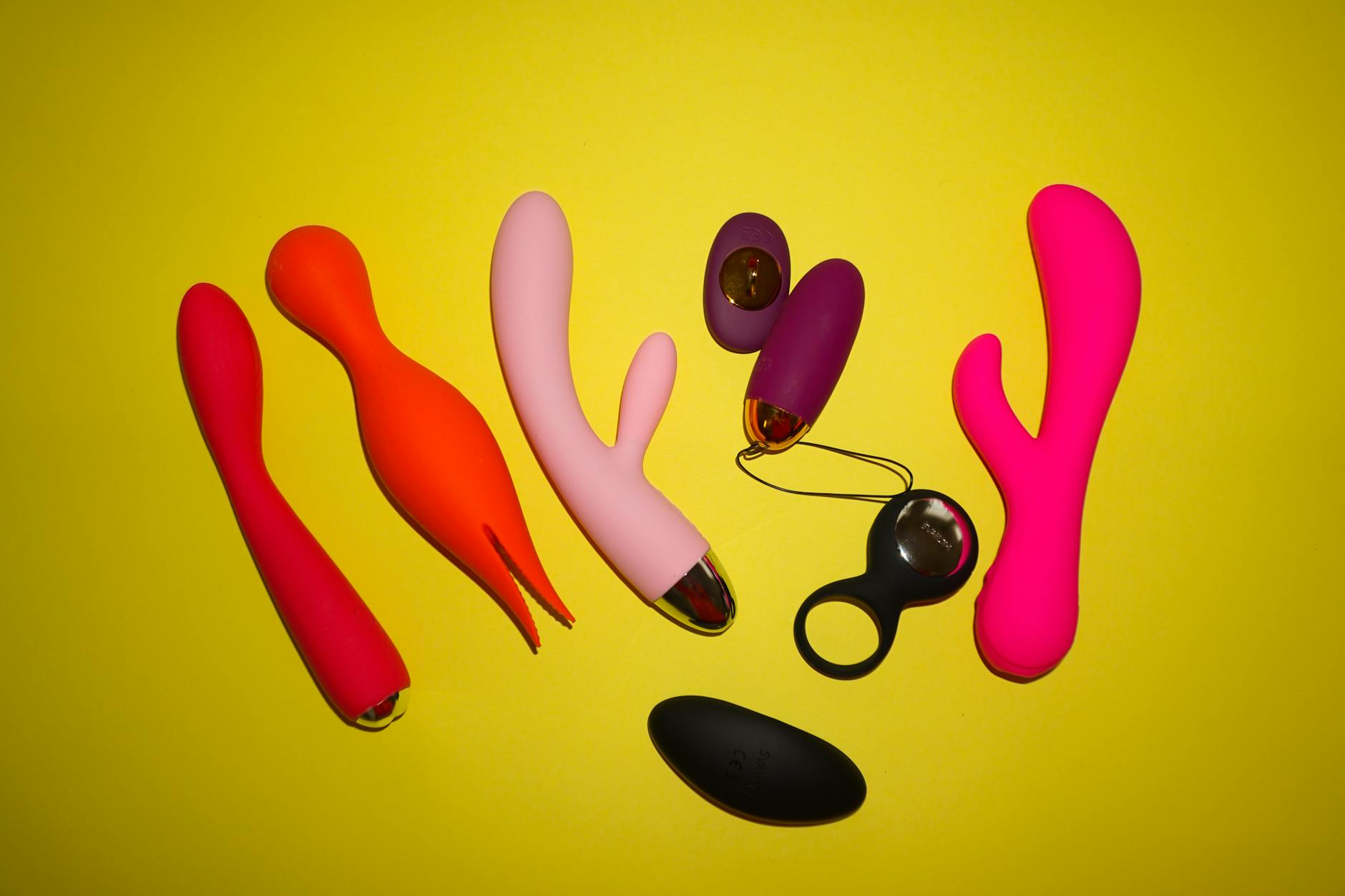
Phase two: rediscovery (weeks 4-12). You're starting to feel curious again. Your body is waking up. This is when lemon vibrators or other clitoral vibrators often become useful tools because they provide consistent, intentional sensation that you control completely. Unlike partnered sex, there's zero pressure to perform or sync to anyone else's rhythm. You can focus entirely on what your body actually needs.
Phase three: integration (month 4 onward). Pleasure starts to feel normal again as a solo experience. You're not rebuilding confidence anymore. You're just living it.
These timelines aren't laws. Some people move faster, some slower, depending on how the relationship ended and what else is happening in their life.
Why clitoral vibrators work so well in this specific situation
Lemon vibrators and similar clitoral vibrators are particularly helpful when you're rebuilding sexual confidence for one specific reason: they remove the guesswork.
In a partnership, you're always checking in mentally. Is my partner enjoying this? Am I taking too long? Should I move faster? With a vibrator, especially one designed for clitoral stimulation like a lemon clitoral vibrator, the only feedback loop is your own body. You get to explore sensation without the constant background anxiety of performing.
They're also forgiving. If you're numb or sensation feels delayed (common after emotional trauma), a vibrator provides consistent, persistent stimulation that your nervous system can eventually lock onto. You're not relying on your own hand staying in exactly the right spot or your concentration holding.
The ritual of using a vibrator solo also matters. You're saying to yourself, explicitly, "My pleasure matters enough to set aside time and buy tools for it." That's a form of self-respect that ripples through everything else.
The practical starting point: how to actually begin
Let's be concrete. If you're sitting here thinking about trying this but feel stuck, here's the actual first step.
Pick a time when you genuinely won't be interrupted. Thirty minutes. Put your phone in another room. This isn't about productivity or optimization. You're just giving yourself unbroken space.
Start by touching yourself without any tools. No goal, no timeline. If your brain immediately starts narrating what you're doing, that's fine. Acknowledge it and come back to sensation. Notice where you like to be touched. What pressure feels good. What speed. You're gathering data.
If you want to add a vibrator to this, start on the lowest setting. If nothing happens, that's completely fine. Some people need weeks of this before their body releases enough to feel obvious pleasure. Some people get there in days. Both are normal.
The second time you do this, you might know more about what you like. The third time, even more. By week three or four, you might feel that old familiar buzz of arousal start building. When it does, don't rush it. Let it build at whatever pace feels good.
Managing the emotional stuff that comes up
Here's where most people get stuck: the feelings that surface during this process.
You might feel sad. You might touch yourself and suddenly think about your ex and how you'll never have partnered sex with them again. That's grief, and it belongs here. Feel it, then come back to your body when you're ready.
You might feel guilty. Maybe you were raised to believe solo pleasure is wrong, or maybe you're still carrying the belief that you should only want sex within a relationship. Notice that belief. It's not necessarily true for you anymore.
You might feel nothing at first. Just numbness. This is extremely common, especially if the relationship ended within the last few months. Your nervous system is protecting you. This will shift with time and gentle, consistent touch. No forcing.
If you're struggling emotionally with the breakup itself, that's not a failure of this process. That's actually a sign you might benefit from therapy or coaching alongside physical reconnection. The two support each other.
When confidence starts shifting back
One day, weeks or months into this, you'll realize something has changed. You'll touch yourself or use a vibrator and feel a pure sense of pleasure that isn't tied to anyone else's presence or approval. It'll feel almost surprising, like you're discovering something new about your own body.
That's when you know the confidence is actually rebuilding. Not because you're orgasming more reliably or faster, but because pleasure has stopped feeling like a performance metric and started feeling like something that's just for you.
From there, confidence builds naturally. You're not second-guessing yourself anymore. You know what your body wants because you've spent time learning it. You're not comparing yourself to how things were with your ex because you're in a completely different relationship now. The one with yourself.
What happens if you eventually want to partner sex again
Plenty of people ask this: won't rebuilding solo pleasure make it harder to enjoy partnered sex? The opposite is actually true.
When you know your own body, when you've learned what you actually like without the filter of someone else's preferences, you're infinitely better at communicating in a partnership. You know what you need. You can guide a partner. You're not dependent on them to make you feel good. That's actually the most confident position you can be in.
Solo pleasure isn't practice for partnered pleasure. It's permission to exist as a sexual person completely independent of anyone else's involvement. That foundation changes everything about how you show up in future relationships.
FAQ: Questions people actually ask
How long does it usually take to feel sexual desire again after a breakup?
This varies wildly. Some people feel ready within weeks. Others need months or even longer. There's no "right" timeline. What matters is that you're not forcing it. Desire will return once your nervous system feels safe. Forcing pleasure before you're ready often backfires and creates more resistance.
Is it normal to feel like you're "cheating" when exploring solo pleasure after a long relationship ends?
Completely normal. Your brain is still operating under partnership rules. You're grieving the structure, even if the relationship was unhealthy. Remind yourself that you're single now. Your body belongs entirely to you. Solo pleasure isn't cheating. It's ownership.
Can lemon vibrators actually help if I feel totally numb down there?
Yes, often. Vibrators provide consistent, targeted stimulation that can wake up numbed sensation. Some people need weeks of use before they feel anything. That's okay. You're essentially retraining your nervous system to perceive pleasure. It takes time.
What if orgasm feels different or harder to reach now?
Common. Breakup trauma, emotional numbing, and even basic stress all affect orgasmic response. Some people find their orgasms feel muted or require more effort. This usually resolves as you emotionally process the breakup and your nervous system settles down. Patience helps more than pressure.
Should I be using vibrators every day, or is that too much?
There's no such thing as too much solo pleasure, biologically speaking. Use a vibrator as much as it feels good to you. Some people enjoy daily exploration. Others prefer every few days. Follow your own rhythm, not anyone else's prescription.
How do I know if I'm ready to try partnered sex again?
You'll know. It's not a magical moment. It's when you've stopped wondering if you'll ever feel sexual again and started assuming you will. When you can think about your own pleasure independently of someone else being involved. That's the marker.
Moving forward
Rebuilding sexual confidence after a long relationship is less about fixing something broken and more about remembering that your pleasure was always yours to begin with. You didn't lose the capacity. You just borrowed it out to someone else for a while. Taking it back is the whole journey.
Start small. Be patient with yourself. Notice what feels good. Trust that your body knows how to respond to pleasure. It always has. You're just relearning its language. If you need support navigating this transition or have questions specific to your situation, reach out to Lem Hello Nancy. We're here to help.