Let's be real about first-time jitters
If you're thinking about trying a clitoral vibrator for the first time, your brain is probably doing one of two things right now. Either you're imagining it'll be wildly intense and overwhelming, or you're wondering if it'll even work for you at all. Both reactions are completely normal. The truth is simpler than either story: a good clitoral vibrator is just a tool that helps you access pleasure you already have in you. It's not magic, it's not intimidating once you know what's happening, and it absolutely can feel amazing.
Here's what I want you to know walking in: you're not broken if you've never used one. You're not inexperienced. You're someone curious enough to try something new, which is actually the only prerequisite.
Why clitoral vibrators actually feel different
Your clitoris has about 8,000 nerve endings concentrated in a space smaller than a pea. That density means it responds to very specific kinds of stimulation. A vibrator doesn't replace your hand or a partner's touch. It just sends consistent, rhythmic signals to those nerves in a way a hand alone can't sustain for very long without fatigue.
Here's the thing people don't tell you: vibration bypasses some of the tension you might habitually hold in your body. If you've spent years only reaching orgasm a certain way, or if you tend to tense up during arousal, a good lemon clitoral vibrator can actually help you relax into sensation instead of forcing it. That's why so many people find their first experience is actually easier and more pleasurable than they expected.
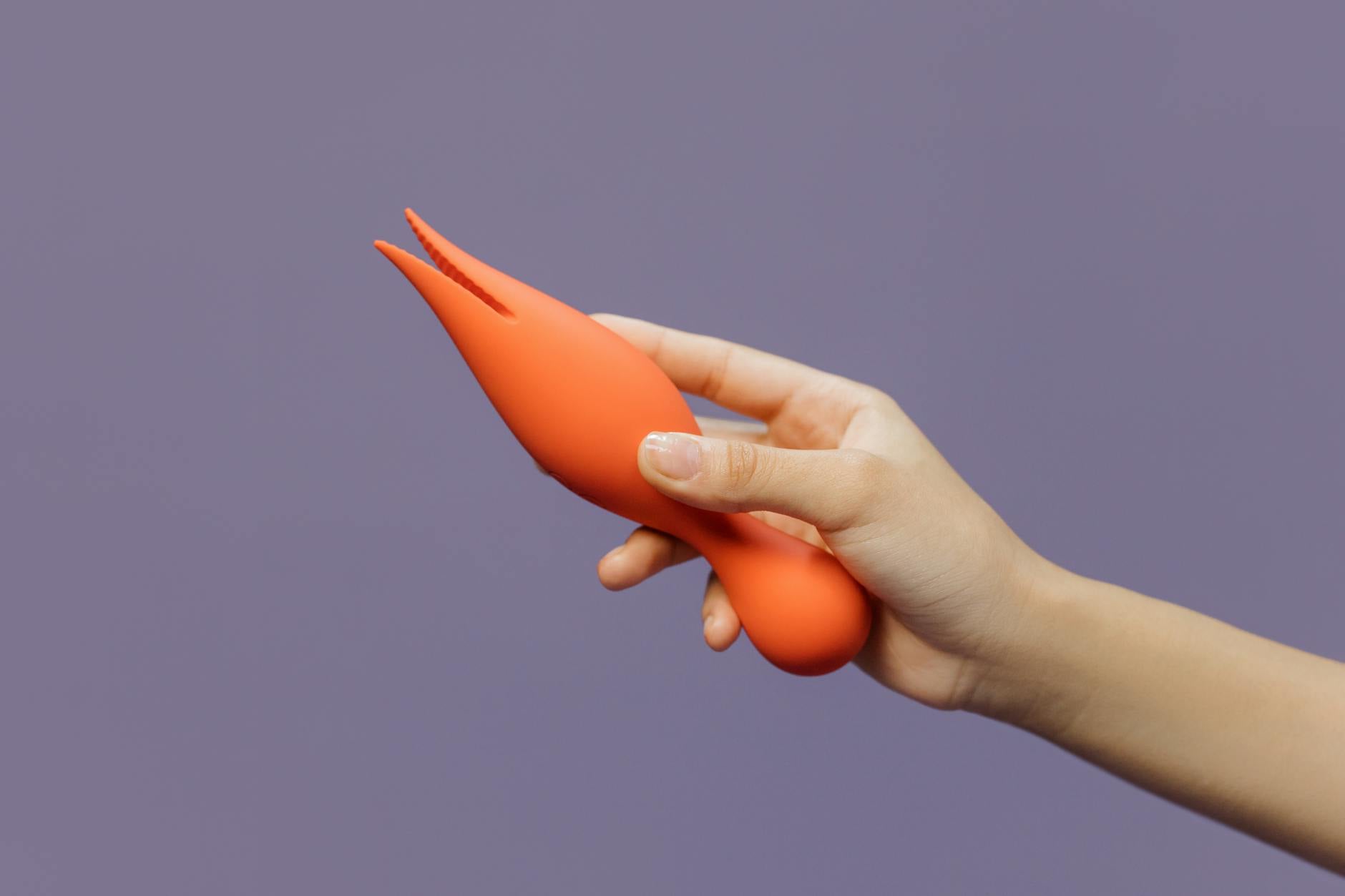
The clitoral vibrators from Lem Hello Nancy are designed specifically for this. They use suction and gentle pulsing rather than just buzzing, which feels less like a jackhammer and more like an actual rhythm.
Choosing your first clitoral vibrator matters more than you think
Not all vibrators are created equal, and your first experience really does set the tone for whether you'll want to explore more.
Look for these qualities in a beginner-friendly lemon vibrator:
Start with lower intensity. Stronger doesn't mean better. A vibrator with adjustable patterns that starts gentle and builds is way better than a one-speed bullet that hits you at full power. You want to be able to explore what actually feels good to you, not immediately decide vibrators aren't for you because the first one was too intense.
Soft silicone matters. Your clitoris is sensitive, and rough materials can feel sharp or uncomfortable. Medical-grade silicone is the gold standard. It's smooth, easy to clean, and warm up quickly to body temperature.
Pulsing is often easier than constant vibration. If you've tried a vibrator and hated it, there's a good chance it was on a constant high vibration. Pulsing patterns mimic the rhythm of actual arousal and feel less overwhelming to most people, especially first-timers.
The Lem Hello Nancy clitoral vibrator is a solid choice for beginners specifically because it has multiple gentle patterns and builds intensity gradually. But honestly, any vibrator with adjustable settings beats a fixed-speed one.
The setup: what to do before you even turn it on
I tell my clients this part is half the battle. Where you are and what you do beforehand completely changes the experience.
First, make sure you have privacy and time. Not rushed-in-five-minutes time. At least 20 to 30 minutes where you won't be interrupted. Your nervous system needs to settle before pleasure can build, and that takes time.
Second, use lubricant. Full stop. Even if you think you don't need it, use it anyway. Water-based lube is your friend. It makes everything feel smoother, reduces friction, and lets you focus on sensation instead of wondering if something feels uncomfortable. Lube is not a sign something's wrong. It's a sign you're taking care of yourself.
Third, start with your hands first. Spend 5 to 10 minutes touching yourself before the vibrator ever enters the picture. Get aroused. Notice what feels good. This takes the pressure off the vibrator to do all the work, and it also helps your body actually be ready to receive that stimulation.
How to actually use it (the moment you were asking about)
Turn it on at the lowest setting. Seriously. The impulse is to skip straight to medium or high. Don't. The lowest setting of a quality vibrator is still more stimulation than your hand, and that's plenty to start.
Approach your clitoris gently. You don't need to put direct pressure on it immediately. Try touching the surrounding area first, the inner labia, the area just above the clitoris. This gets the nerves warmed up without the intensity of direct contact.
If direct contact feels too intense, keep the vibrator through a thin layer of fabric. Your underwear or a piece of cloth dulls the vibration just enough to make it feel more gradual.
Most importantly: if it doesn't feel good in the first 30 seconds, you haven't failed. You just haven't found the right angle, pattern, or intensity yet. Move it slightly. Try a different pattern. Adjust the pressure. Give yourself two to three minutes of actual exploration before you decide it's not working.
The goal isn't to force an orgasm. The goal is to figure out what sensation you actually like. That information is worth more than any orgasm.
What happens next (managing expectations)
Honestly, your first time might not result in an orgasm. And that's completely fine. Some people take two or three sessions to adjust to the sensation and let their body relax enough to climax. Some people find that their first vibrator experience teaches them new things about their body that they then apply to partnered sex or solo play without the vibrator.
All of that is a win.
If you do have an orgasm, it might feel different than what you're used to. It might be more localized, or it might feel like it builds faster than usual. Some people describe their first vibrator orgasm as sharper, others as more rolling and sustained. There's no right way for it to feel.
After you finish, take a minute. Sit with the feeling. Don't immediately mentally critique the experience or judge whether it was "good enough." Just notice what happened. That awareness is gold for next time.
Troubleshooting: when it doesn't feel the way you hoped
If you try a clitoral vibrator and think it's not for you, before you give up, check these boxes.
Are you using enough lubricant? Seriously. Lack of lube is the number-one reason people have mediocre first experiences.
Are you relaxed, or are you holding tension in your body? Many people unconsciously clench their abs, thighs, or pelvic floor when a vibrator first touches them. That tension shuts down sensation. Try taking deep breaths. Let your legs fall open. Soften your belly.
Are you comparing it to something else? The most common sabotage I see is people trying a vibrator and thinking "this isn't as good as when my partner does this." You're comparing two completely different kinds of touch. A vibrator isn't better or worse. It's different. Let it be what it is.
Are you giving yourself enough time? Some bodies need 10 minutes of consistent stimulation to relax into pleasure. Some need 20. You're not too slow. You're just learning what works for you.
Why your first time with a clitoral vibrator matters
Beyond the obvious reason that it feels good, your first experience with a quality clitoral vibrator teaches your body something important: you deserve pleasure that's easy and doesn't require effort or apology. You're not broken if you've never had one before. You're not inexperienced because you're trying now.
When you use a lemon clitoral vibrator for the first time and it works, it opens up conversations with yourself about what feels good. Those conversations then ripple into everything else. Your partnered sex gets better because you know your own body better. Your solo pleasure becomes richer because you're not trying to force one particular outcome.
That's the real gift.
People also ask
How do I know if a clitoral vibrator is right for me?
If you've ever wanted to try one, you're right for it. There's no body type, age range, or relationship status that disqualifies someone. Clitoral vibrators work for people who've never had an orgasm, people who have very specific orgasm patterns, people in long-term relationships, single people, and everyone in between. The only disqualifier is not wanting to try.
What's the difference between a vibrator and a lemon sucker?
A lemon sucker (or suction vibrator) works differently than a traditional vibrator. Instead of buzzing, it creates gentle pulses of suction and release around the clitoris. For a lot of people, especially first-timers, this feels less jarring and more natural than vibration alone. Lemon Hello Nancy uses suction technology in their clitoral vibrators, which is why they're so popular for beginners.
Can I use a clitoral vibrator with a partner?
Absolutely. Some people find that using a vibrator during partnered sex adds a different layer of sensation. Others use it solo. Some couples introduce it together, and some use it as part of their own solo practice and then bring that confidence to partnered sex. There's no rule. Do what feels right for you both.
What if I've never had an orgasm before?
A clitoral vibrator is actually a really good tool if you're trying to figure out your pleasure for the first time. It removes a lot of the variability that makes self-discovery tricky. You can focus purely on sensation without worrying whether you're doing it right. Just remember: the goal is exploration, not performance. Orgasm might come, it might not, and either way you're learning.
How do I clean my clitoral vibrator after using it?
Warm water and mild soap. Rinse thoroughly and pat dry. Some vibrators can be fully submerged, others have electronic components that shouldn't be. Check your specific vibrator's care guide. Lem Hello Nancy vibrators come with care instructions, and following them keeps your toy safe and ready for next time.
Will using a clitoral vibrator make regular touch less sensitive?
No. This is a myth that stops a lot of people from trying vibrators. Your clitoris doesn't become desensitized to hand touch because you've used a vibrator. It's like your ears don't stop hearing quiet sounds because you heard a loud noise. Your nervous system is more sophisticated than that. If anything, trying different kinds of stimulation helps you understand your body better.
You've got this
Your first time using a clitoral vibrator is an act of self-care, curiosity, and permission. You're telling yourself that your pleasure matters. That deserves celebration, whether or not an orgasm shows up. Everything else is just bonus. If you have questions as you're getting started, reach out. We're here to help you feel good.