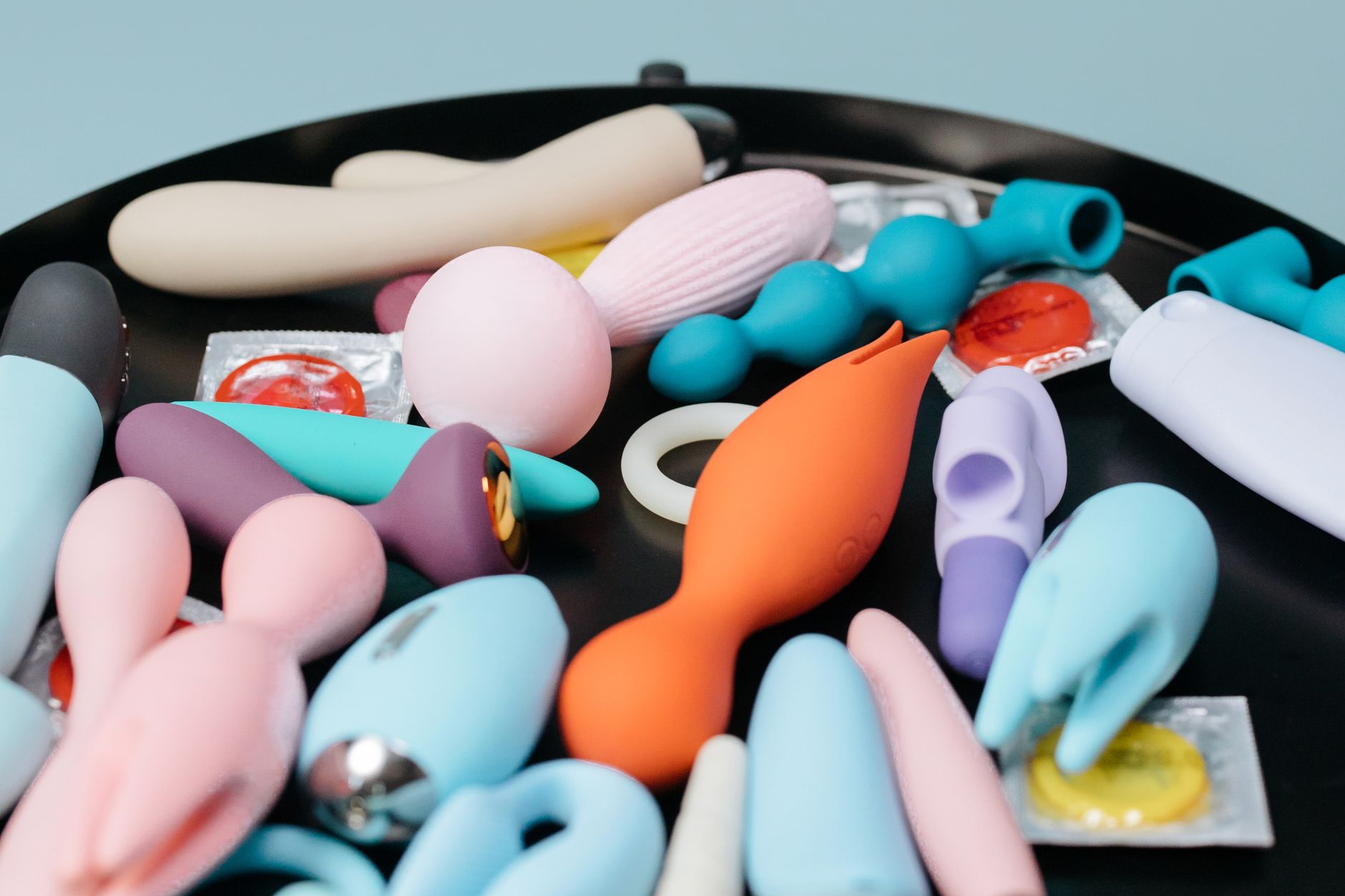
When you've been away from pleasure, your body needs reintroduction, not a homecoming
Let's be real. A long break from touch, arousal, or orgasm can feel like you've forgotten how to do it. You haven't. Your nervous system just needs to relearn that pleasure is safe again. That process doesn't happen through willpower or pressure. It happens through gentle, consistent reawakening.
Here's what actually changes when you've stepped away from pleasure for months or even years: your nervous system recalibrates its threat detection. If the break came from grief, burnout, a relationship ending, or medical trauma, your body learned to protect itself by numbing down. That's not broken. That's exactly what it was supposed to do. Now you want to slowly convince your body that sensation is worth engaging with again.
Why lemon clitoral vibrators are the right tool for this specific moment
There are three reasons a lemon vibrator works better than other options when you're returning to pleasure after a long break.
First, suction technology (the core of the Lem) doesn't require friction or direct pressure. When you've been numb for a while, your tissue sensitivity needs coaxing, not aggressive stimulation. Suction gently draws blood to the clitoral area without the repetitive contact that can feel overwhelming.
Second, lemon vibrators have graduated intensity levels. You start at pattern one. You stay there until it feels good, not intense. This isn't a race. Most people rebuilding sensation need 8 to 12 weeks of consistent, low-pressure use before they're ready for higher intensities. That timeline feels long until you experience your first real orgasm in months. Then it feels brilliant.
Third, the design itself is psychologically permissive. Lemon sexual toys from Lem Hello Nancy are small, discreet, and feel less "clinical" than larger wand vibrators. That matters when shame or fear is tangled up in your relationship with pleasure. A tool that feels friendly, not scary, removes one layer of resistance.
The timeline: what to expect in weeks one through twelve
Weeks 1-3: Sensation building without orgasm expectation. Use the Lem on patterns 1 or 2, five to ten minutes, three to four times per week. Don't expect orgasm. That's not the goal yet. You're reawakening nerve endings and teaching your brain that this sensation is safe. Many people feel nothing at all in week one. That's fine. Keep going.
Weeks 4-6: Increased blood flow and early tingling. You might notice the area feels warm or slightly tingly after use. Some people experience their first micro-orgasm or clitoral flutter around week five. If nothing happens, add one extra session per week. Patience. Your nervous system is learning.
Weeks 7-9: Sensitivity returns, early arousal is possible. By now, most people feel obvious sensation and can achieve small orgasms on patterns 1 or 2. Some people experience their first full orgasm in months. Others are still building. Both are normal. The difference is usually about how long the break was and how much trauma or stress sits underneath it.
Weeks 10-12: Consistency pays off, pleasure becomes predictable. Most people can now reliably orgasm on patterns 2 or 3. The sensation feels less foreign. Your nervous system has evidence that pleasure is safe again.
If you're not seeing movement after twelve weeks, reach out. Sometimes the block is medical (hormone levels, medication side effects, pelvic floor tension). Sometimes it's deeper psychological work that needs a therapist. Neither is failure. Both are solvable.
The setup that removes resistance
Here's what makes the difference between reawakening pleasure alone versus in a situation that still carries shame or pressure.
Choose a time when you have at least thirty minutes and zero interruptions. Not ten minutes squeezed between tasks. The nervous system can't shift into pleasure mode when part of your brain is tracking the time. Phone off. Door locked. This is not efficiency. This is permission.
Use lubricant, even if you're not wet. That's not a sign you're broken. Your body is protecting itself by not flooding lubrication. Water-based lube signals safety. It's a cue to your nervous system that this is consensual and intentional, not something that needs defensive numbing.
Start fully clothed, if that helps. Some people need to be in their bed. Others need to be sitting upright. Pleasure is not one position. Find what makes you feel safest and most present, then start there.
If you share a bed with a partner, have a conversation first. You don't need permission, but you do need them to understand that you're doing this for you, alone, and that you'd prefer not to be asked about progress or pressure to "perform" pleasure when they're around. Many couples find that individual reawakening happens faster when the pressure to be sexy for someone else is removed entirely.
What happens if you hit resistance
Maybe week four arrives and you still feel nothing. Maybe you felt something in week six and then sensation dropped away again. That's not unusual. The nervous system doesn't move in straight lines. It stutters forward, recalibrates, sometimes steps back.
If sensation disappears suddenly, ask yourself: Did my life circumstances shift? Did stress arrive? Did I start a new medication? Did I have a triggering conversation? Sometimes the body blocks pleasure again because something in the environment shifted back to feeling unsafe.
If nothing changes and nothing external shifted, your nervous system might need different support. Consider reaching out to a pelvic floor physical therapist, a trauma-informed therapist, or your doctor. Medication, unresolved tension, or psychological patterns sometimes need professional support alongside self-exploration.
When you have a partner waiting
This is the tricky part. Most people don't take long breaks from pleasure in isolation. The break usually involves a relationship ending, stress in a partnership, grief, or medical trauma. Now you want pleasure back, and you might want to share it again. That's normal.
Here's what I tell couples: individual reawakening comes first. You need to know your own body again before you bring someone else into it. This isn't punishment. It's evidence gathering. Once you know what your body can feel, what patterns work, what speeds up or slows down arousal, you have information to share. Without that information, you're both guessing, and guessing creates pressure.
When you're ready to bring a partner in, start small. Maybe that's them being in the room while you use the Lem. Maybe that's them using the vibrator on you while you guide the pressure and speed. Maybe that's just touch and conversation before anything else happens. Go at the speed that feels like reconnection, not performance.
The difference between pleasure returning and pleasure changing
One thing to notice as you rebuild: pleasure might not feel the same as it did before the break. That's real and it's not a problem. Your nervous system has aged. Your brain has processed experiences. Your body chemistry might have shifted. Pleasure doesn't have a home it returns to. It's a new place you're building together with your body now.
Some people find their orgasms feel different. Faster. Slower. More diffuse. More concentrated. Easier. Harder. All of these variations are fine. You're not looking to recreate 2019. You're building what works now.
FAQ: Returning to pleasure after a long break
How long is too long to have been away from pleasure?
There's no timeline where you've been gone so long that return is impossible. I've worked with people who haven't had an orgasm in five, eight, even twelve years. Sensation returns. It takes consistency and patience, but it absolutely returns. Most people see noticeable change within four to six weeks of regular, pressure-free use.
Can I use lemon vibrators if I'm on antidepressants or other medications that affect sensation?
Absolutely, though it might take longer. Medications like SSRIs, antihistamines, and certain blood pressure medications can reduce clitoral sensation and make orgasm harder to achieve. A lemon clitoral vibrator actually helps because the suction technology can sometimes bypass or work around medication-induced numbness. If you're not seeing progress after twelve weeks, talk to your prescriber about timing or dosage. Sometimes a small shift helps.
What if I feel ashamed using a vibrator, even alone?
Shame is often the invisible block that stops people from rebuilding pleasure. Here's the truth: you deserve pleasure. Not because it's fun, though it is. Because pleasure is part of being alive. It signals that your nervous system feels safe. It's an act of self-trust. If shame is loud, write that down. Notice it. Then use the vibrator anyway. Shame fades with repetition. After week four, most people feel far less ashamed because their body is giving them positive feedback.
If I'm returning to pleasure after grief, when is it okay to start?
When you're ready, not when you think you should be. Some people need three months. Others need longer. The marker isn't time. It's a moment when you realize you want sensation back, not because you feel obligated, but because you're curious. That curiosity is permission to start.
Can I damage my tissue by using a lemon vibrator too much during reawakening?
Not with patterns 1 and 2. Those intensities are gentle enough that overuse isn't a real risk. In fact, consistency (three to four times per week) works better than sporadic intense sessions. You're retraining your nervous system, and nervous systems respond to steady input, not shocks.
Should I tell my partner I'm using a vibrator to rebuild pleasure?
That's your choice entirely. Some people find it helpful to be transparent. Others prefer to privately rebuild, then involve their partner once sensation is returning. There's no right answer. Choose what feels like trust in your own process.
The part they don't tell you: pleasure returns faster than you think
When you've been away from sensation for months or years, the return feels impossible at first. Week two feels exactly like week one. Week four feels maybe slightly different. Then week eight arrives and suddenly you feel something unmistakable. The nervous system rewires quietly, then shows up all at once.
Most people are shocked by how quickly their body remembers. It's not a memory, exactly. It's a capacity that's been there the whole time, just offline. Your job is to consistently tell your nervous system that pleasure is safe again. The body does the rest.
You're not starting over. You're coming home to yourself. Use a lemon vibrator gently, regularly, and with patience. That's how you get there.