
Here's the thing about gaps
They're real. Whether it's months of stress, a work rotation, emotional distance masquerading as logistical chaos, or an actual breakup you've reconciled from, the body remembers that things weren't touching. And when you try to pick up where you left off, your nervous system often says "nope," even when your heart absolutely wants to.
Most couples in this position try to jump straight back into what used to work. That almost never lands. What does land is something gentler, more intentional, and lowkey more satisfying. That's where a lemon clitoral vibrator comes in.
Why the gap makes pleasure harder (and what's actually happening)
When physical intimacy stops for a while, a few things happen in parallel. First, the neural pathways for arousal get quieter. Not dead. Just quieter. Second, you're probably carrying some emotional weight from whatever caused the gap. Fear, resentment, awkwardness, or just the weight of "will this still work?" don't evaporate the moment you decide to reconnect. And third, your body may have forgotten what arousal actually feels like, which sounds dramatic but is totally normal.
Add a partner into the mix and the pressure triples. You're both trying to perform when what you actually need is permission to be a little clumsy about it.
A lemon vibrator sidesteps most of this. It's not about your partner being bad at touch. It's about creating a bridge back to your own pleasure first, solo or together, with zero performance pressure.
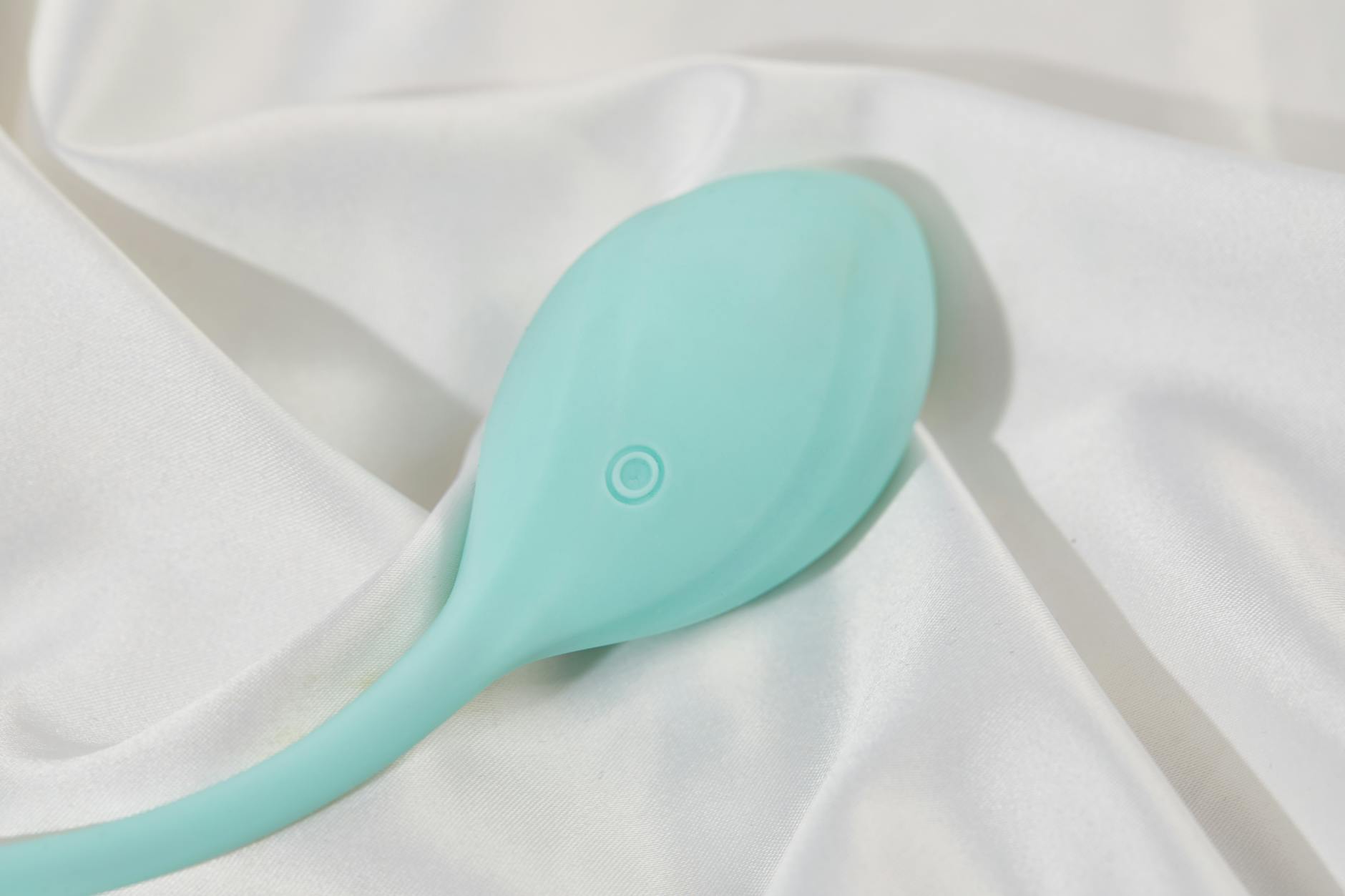
Photo by IFONNX Toys on Pexels
Starting alone, even if you plan to eventually partner
This is non-negotiable if you've been disconnected for months. Spend a week or two with a lemon vibrator solo. Not because your partner isn't welcome. Because your nervous system needs to remember that pleasure is safe.
The suction-based design of air-pulse vibrators like the Lem makes this easier than traditional vibration. The sensation is different. It feels less clinical, more like your body's own rhythm amplified. You're not trying to match a predetermined speed. You're exploring.
Start in a quiet space without deadlines. Use a little water-based lubricant even if you think you don't need it. Your arousal may take 20-30 minutes to build after a long gap. That's fine. There's no timer.
The goal isn't an orgasm. The goal is reconnection with sensation. If an orgasm happens, great. If not, you've still reset something important in your body.
The conversation before you involve your partner
Here's what I tell couples who are rebuilding after a gap. One person initiating suddenly with a lemon vibrator can feel confusing or even rejecting to the other person if you haven't named what's happening.
Talk about it first. Not sexy-talk. Practical talk. "I've been thinking about us reconnecting physically. I want to start slow and rebuild some confidence with myself first. I'm going to try something solo for a week or two, and then I'd like to show you. Does that feel okay?" Most partners feel relieved to hear this. It's permission for both of you to stop white-knuckling and start being honest.
This prevents the silent spiral where your partner thinks you're pulling away further, or wonders if they've been replaced by a toy. (They haven't. But they might feel like it if you don't name the plan out loud.)
When you bring it into partnered time
There are a few ways to do this. Pick the one that feels least pressured.
Option one: parallel play. You're both getting pleasure at the same time, but not necessarily touching each other. You have your lemon vibrator, they do what they enjoy, and you're in the same space. This removes the "are you watching me?" pressure and lets you focus on your own sensations. For some couples, this is the actual turning point. You're together without performing for each other.
Option two: you use it while they touch you. This is where the lemon vibrator becomes a bridge. They can kiss you, touch your neck or inner thighs, while you control your own clitoral stimulation. You get the intensity you need without asking their hand to do something it's not doing naturally. For couples with mismatched pressure preferences, this is often transformative.
Option three: they hold the lemon vibrator while you guide. This requires zero performance from them. You're showing them exactly what you want. Your hands are on top of theirs or guiding their hand. There's less pressure to "get it right." You're literally showing them your pleasure.
Start with whichever feels least awkward. You can rotate. You'll probably cycle through all three eventually.
Rhythm and patience matter more than intensity
When couples are rebuilding after a gap, the impulse is often to go harder or faster to try to recapture what you had before. That usually backfires. Your body is still waking up. Stimulation that's too intense too fast can feel numbing rather than pleasurable.
With a lemon clitoral vibrator, start on the lowest pattern. Spend five to ten minutes there. If it feels good, stay. If you want a little more, move up one. That's it. The suction-based design means you don't need maximum intensity to feel a lot.
One thing that often surprises couples is that reconnection pleasure is frequently more intense than pre-gap pleasure, even at lower settings. Your body was hungry for this. Your nervous system is engaged. That heightened sensitivity is actually your friend.
What to do if awkwardness hits mid-session
It will. Someone will laugh nervously or feel self-conscious or suddenly remember that the dishes need doing. This is not a sign that reconnection is failing.
Stop. Talk about it. "I felt weird right then. Can we just touch for a minute without anything else?" Or "I need a break. This is good though. I'm not checking out." Awkwardness is actually a really normal part of rebuilding trust. If you power through it, you're teaching your nervous system that discomfort is the point. That's backwards.
Give yourself permission to move slowly. You're not racing anyone. If it takes four or five sessions before you feel genuinely relaxed together, that's how long it takes. There's no timeline where you "should" be fully reconnected by now.
Handling the emotional weight
Physical reconnection often surfaces feelings. Sometimes relief. Sometimes grief about the time that was lost. Sometimes resentment that resurfaces right when you're trying to rebuild trust.
Don't pretend those don't exist. A lemon vibrator is great for pleasure rebuilding, but it's not a substitute for conversation about what caused the gap in the first place. If you're trying to use physical intimacy as a band-aid over broken emotional communication, it won't stick.
I usually recommend that couples have one serious conversation about what happened and what needs to shift going forward. Then separate that conversation completely from reconnection time. Don't process the gap during sex or intimate time. Process it over coffee. Then come back to pleasure building as its own thing.
The longer-term shift you might notice
What happens with many couples is that reconnection after a gap, done slowly and with a lemon vibrator as part of the picture, often creates better sex than before the gap. Not because the gap was good. But because you both learned that you can be vulnerable, take time, and build toward pleasure without pretending everything is already fine.
Your body holds patterns. If the pattern before the gap was "we rush, we perform, we finish," then reconnection with slowness can actually rewrite that. You're creating a new muscle memory. That's where the real intimacy happens.
When to check in with a professional
If you're trying these steps for three or four weeks and you're still feeling completely disconnected, or if one partner is enthusiastic and the other is just going through motions to keep the peace, that's a sign to talk to a relationship therapist. The lemon vibrator can help, but it's not a substitute for addressing the underlying dynamic that created the gap in the first place.
Same goes if pain or pressure anxiety appears during reconnection. Those are worth exploring with a healthcare provider or a sex therapist who specializes in somatic work.
Frequently asked questions
Can we use a lemon vibrator if we haven't had sex in over a year?
Absolutely. Actually, longer gaps sometimes make the tool more valuable because your arousal system is genuinely quieter and needs something different to wake up. Start very slowly and expect that first sessions might feel more exploratory than orgasmic. That's completely normal.
Is it weird if my partner wants to use a lemon vibrator and I don't?
Not at all. Reconnection doesn't have to look identical for both people. One person might use a lemon clitoral vibrator while the other uses manual touch or nothing at all. The goal is rebuilding shared pleasure, not sameness. Let your partner explore what helps them, and they should let you explore yours.
How do we avoid the toy becoming a substitute for emotional reconnection?
Keep talking. Separate your emotional check-ins from your intimate time. Use the lemon vibrator as a bridge, not a replacement for the harder work of rebuilding trust and communication. If you notice physical intimacy is happening but you're still not talking about the gap, pump the brakes and prioritize conversation.
What if the lemon vibrator feels too intense after a long break?
Start on the lowest pattern and stay there for multiple sessions if needed. You're not looking for the strongest sensation. You're looking for the sensation that feels safe and pleasurable to your specific nervous system right now. Intensity matters less than consistency and comfort.
How many sessions before we'll feel "normal" again?
There's no set timeline. For some couples, three or four sessions rebuild enough confidence to move forward. For others, it takes weeks. What matters is that you're both showing up intentionally and checking in emotionally, not that you hit some arbitrary benchmark.
Should we tell friends or family that we're using a lemon vibrator to reconnect?
Nope. This is between you and your partner. Your intimacy tool kit is private. The conversation about reconnecting might involve trusted people. The specific methods are just for you.