Here's what nobody tells you about ADHD and pleasure
If you have ADHD, you probably know what it feels like to start something with full intention and then... drift. Your brain wanders mid-sentence, mid-movie, mid-conversation. During sex or solo time, it's worse. You're supposed to be present, building arousal, heading toward an orgasm. Instead, your mind is cataloging what you need to buy at the grocery store, or worrying about that email you haven't sent, or replaying an awkward conversation from three days ago.
This isn't laziness. This isn't disinterest in pleasure. Your dopamine system works differently, and sustained attention during lower-stimulation activities feels genuinely difficult. Many of my clients with ADHD report that they can orgasm, but getting there feels like swimming upstream. The effort exhausts them before the pleasure arrives.
Why ADHD brains need different stimulation
ADHD isn't about a lack of focus. It's about a mismatch between the task and your brain's stimulation needs. Most traditional vibrators deliver steady, predictable sensation. Your ADHD brain gets bored. It starts scanning for more interesting input. Within minutes, you're mentally somewhere else entirely.
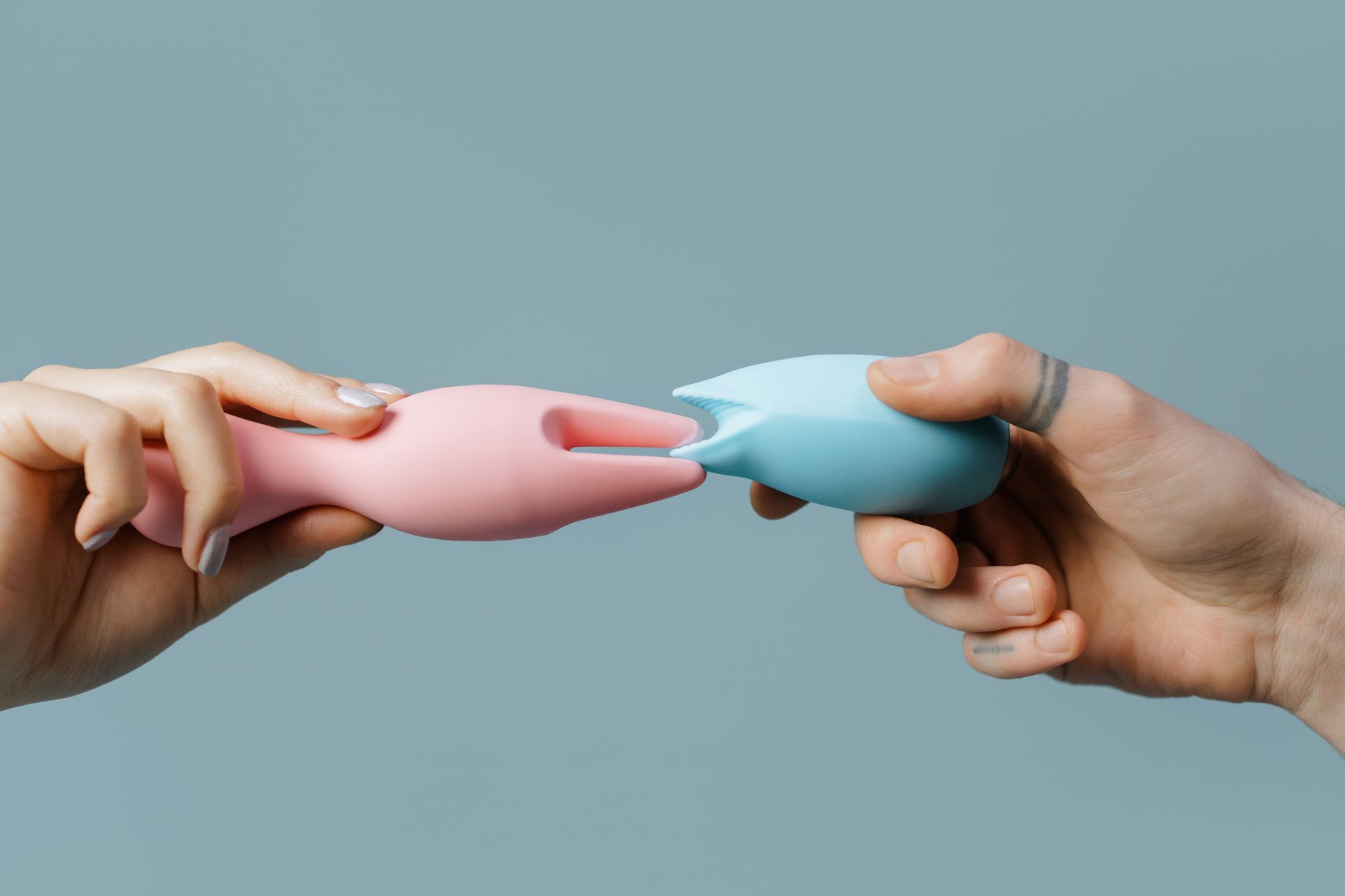
Lemon clitoral vibrators work differently. They use suction and pulse patterns that create dynamic, unexpected sensation. Your nervous system stays engaged because the stimulation isn't just steady hum. It's rhythm, intensity variation, and direct nerve engagement that fires your attention circuits. That's not accidental. That's neurobiology.
Here's what happens: suction-based toys like the Lem trigger sustained sensory input that dopamine-seeking brains actually prefer. The novelty of the sensation keeps you anchored. You're not bored. You're not drifting. You're fully present because your brain is getting what it needs.
Pattern-switching keeps your brain locked in
One of the biggest tools you have with a lemon vibrator for ADHD is the ability to switch patterns. Most ADHD brains respond well to novelty and change. Staying on pattern 1 for ten minutes feels torturous. Switching to pattern 3, then back to pattern 2, then trying pattern 5? That's engaging.
The Lem has multiple settings because multi-pattern play isn't just fun. It's a neurological strategy. When you feel your attention starting to slip, don't push through. Switch the pattern. The shift in sensation pulls your brain back into the present moment. You're not bored anymore. You're curious about what the next pattern feels like.
This isn't about constantly chasing intense sensation. It's about giving your brain what it's built to want: variability. Predictability puts ADHD brains to sleep. Variation wakes them up.
Timing matters when your executive function is low
ADHD doesn't just affect attention during pleasure. It affects when you have the energy to pursue it. Executive dysfunction fluctuates. Some days you feel capable. Other days, initiating anything feels impossible.
Here's what I recommend: use your lemon vibrator during high-energy windows. Not late at night when you're already depleted. Not when you know you have five other tasks waiting. Pick a time when your brain naturally has more dopamine available. For many people, that's morning or early afternoon. For others, it's right after exercise or a strong coffee.
Also, keep setup minimal. This sounds small, but for ADHD brains, friction kills follow-through. If you have to hunt for lubricant, find your vibrator, remember where you left it last week, the activation energy required might actually stop you before you start. Keep your lemon vibrator and any supplies in one accessible spot. Reduce the steps between "I want pleasure" and "pleasure is happening."
Combating the distraction spiral
Even with a high-stimulation toy, ADHD thoughts will still try to hijack you. The difference is that lemon vibrators give you an anchor. When you notice your mind drifting to your to-do list or some random thought, the sensation of the vibrator brings you back.
This is called "somatic grounding." It works because your body is receiving more intense, novelty-rich sensation than your anxious thoughts. You're essentially outbidding your racing mind for attention.
One technique: when you feel distraction creeping in, change the pattern or increase the intensity slightly. That shift pulls your nervous system back to the present. You're not fighting distraction through willpower. You're redirecting your brain through sensation.
Why suction beats traditional vibration for ADHD
Traditional vibrators deliver consistent oscillation. Suction-based toys like the Lem create pulse and pressure variation. That difference is crucial for ADHD brains.
Consistent stimulation? Your brain habituates. It stops noticing. Novelty-rich stimulation? Your brain stays alert. That's why many of my clients with ADHD report that lemon clitoral vibrators feel "more intense" even at mid-level settings. It's not physically more powerful. It's neurologically more engaging.
If you've struggled with traditional vibrators feeling boring or numbing, or if you kept needing to turn up the intensity just to feel something, suction-based stimulation might finally click for you. You're not broken. Your brain just needs a different input type.
Building a ritual that sticks
ADHD brains crave structure and novelty simultaneously. That sounds contradictory, but it's not. What you need is a reliable framework with variable content inside it.
Here's a simple structure: same time, same place, different patterns. Pick three or four times a week when you'll explore pleasure. Same timeframe, same location. But each session, commit to trying different settings on your lemon vibrator. You know what's coming (solo time, your vibrator), so executive function is low. The variation keeps novelty high.
Alternatively, if solo time feels like too much commitment, consider using your Lem with a partner and letting them control the patterns. The unpredictability of not knowing what's coming next keeps your attention locked. Your partner's engagement also creates external accountability. You're less likely to mentally check out if someone else is present and invested in the experience.
Managing overstimulation and burnout
Here's a nuance: sometimes ADHD brains swing the other way. Instead of understimulation, you get overstimulation. Everything feels like too much. Your nervous system is already maxed out from managing daily life, and the idea of adding intense sensation feels fraying rather than grounding.
If that's you, don't force it. Lower your expectations that session. Use the Lem on the gentlest settings. Sometimes the goal isn't an explosive orgasm. Sometimes the goal is just ten minutes of calm, connected pleasure. That's still a win for your nervous system.
On days when you're particularly depleted, you might skip lemon vibrator time entirely and focus on other forms of self-care. That's not failure. That's self-awareness. Pleasure should feel good, not like another obligation your ADHD brain has to manage.
The dopamine reset you're actually looking for
Many people think ADHD and pleasure don't mix. That's false. What's true is that ADHD and boring pleasure don't mix. You need stimulation that matches your nervous system's actual wiring, not what sex ed told you pleasure should look like.
Lemon clitoral vibrators create exactly that match. High sensation, dynamic patterns, sustained novelty. Your brain isn't fighting the experience. It's leaning in. The pleasure you've been struggling to access might finally feel accessible, not despite your ADHD but because you're using a tool designed for how your brain actually works.
You deserve that. Start with the setting that feels right today, switch patterns when you want to, and stop when you're done. Your brain will thank you.
Frequently asked questions
Can I use a lemon vibrator if I'm also taking ADHD medication?
Absolutely. Your medication doesn't diminish your capacity for pleasure. If anything, better focus from medication might help you stay present during intimate time. If you've been on the same medication for a while and pleasure still feels elusive, it's not the medication's fault. It's likely that your stimulation type wasn't matching your brain's needs. A lemon vibrator addresses that directly.
What if I can't stay focused even with a high-stimulation toy?
That might signal that your nervous system is too depleted overall. ADHD + chronic stress + sleep debt compounds. Before blaming yourself or the toy, audit your basics: sleep, food, movement, stress levels. Sometimes pleasure requires a baseline of nervous system availability that you need to build first. A lemon vibrator is a tool, not a rescue mission. If your baseline is fried, focus on restoration first.
Do I need to use my lemon vibrator more frequently if I have ADHD?
Not necessarily. Some ADHD brains enjoy frequent, varied solo time. Others do better with less-frequent but more intentional sessions. There's no right frequency. What matters is that when you do use your toy, you're actually present and enjoying it, not forcing it to feel good. Quality over quantity every time.
Will a lemon vibrator help if I also have anxiety?
Often, yes. ADHD and anxiety frequently co-occur, and anxiety is a major attention-killer during pleasure. The sustained, engaging sensation of a lemon vibrator can ground you in your body, which is the opposite of what anxiety does. Your racing thoughts calm down because your sensory input is dominating your attention. That said, if anxiety is severe, a therapist specializing in both ADHD and anxiety can help you build other grounding strategies to use alongside pleasure practices.
Can I use a lemon vibrator if I'm also on antidepressants?
Yes. Many antidepressants don't affect pleasure capacity, and some that do affect sensation (like SSRIs) can often be managed with dose adjustment or timing. That said, if medication is dampening your sensation, a high-stimulation toy like a lemon vibrator is more likely to cut through that numbness than a traditional vibrator would. If you're struggling, talk to your doctor. There are options.
How do I explain ADHD-related pleasure challenges to a partner?
Be straightforward: "My brain processes attention differently, and during intimate time, I sometimes drift. It's not about you or how I feel about you. It's about how my nervous system works. I'm exploring tools like the Lem that help me stay present. I'd love your support as I figure this out." Most partners appreciate clarity over silence. Some may want to be involved in the exploration. Others might just appreciate understanding why focusing sometimes feels hard for you.