Let's name the actual problem
Your partner thinks toys are either for solo use only, or a sign that they're not enough. Or maybe they're worried it'll change the dynamic, make things feel clinical, or turn into pressure. Here's the thing: that's a communication problem wearing a toy-shaped disguise. The lemon vibrator is just the vehicle. What you're really navigating is trust, curiosity, and whether you can explore pleasure together without judgment.
I've worked with hundreds of couples where one person wanted to bring toys into the mix and the other was skeptical. The difference between couples who make it work and those who shut it down isn't about the toy itself. It's about how the conversation happens before anyone touches anything.
Why your partner might actually be hesitant
Understand first: hesitation isn't stupidity. It's usually one of three things.
Insecurity. Deep down, the worry is "you need this because I'm not enough." This one requires direct naming. Tell your partner what the toy actually does and doesn't do. A lemon clitoral vibrator doesn't replicate a person. It creates a specific type of sensation that happens to feel really good, the same way a massage chair doesn't replace human touch. The tool is not a replacement. Full stop.
Unfamiliarity. Your partner might have no frame of reference for toys beyond awkward teenage stories or pornography portrayals. They don't know what you're actually asking for. Demystifying it helps. A lemon sucker works by suction and pulsing patterns, not aggressive vibration. It's gentle by design. It's not intimidating once you understand what it actually does.
Loss of control. Some partners worry that if you use a toy, the experience becomes less intimate or more mechanical. This one's interesting because it's the opposite of true, but the feeling is real. Bringing something new into the bedroom can feel destabilizing if you're used to a particular rhythm. Acknowledge that. "I know this feels new and maybe a bit weird. That's normal. But I want us to explore this together, not separately."
Start with conversation, not the device
Don't introduce the actual toy first. Introduce the idea.
Pick a moment when you're both relaxed and clothed. Not during sex. Not immediately before. Honestly, the best time is mid-conversation about something else entirely. Then transition naturally. "So I've been thinking about trying a lemon vibrator together. I'm curious about it, and I'd like to try it with you, not alone. Would you be open to that?"
That's it. You've told them:
- You're interested (not desperate)
- You want them involved (not excluding them)
- You're asking, not announcing
Listen to what they say. If it's "not right now," that's different from "never." If it's "I don't know," that's an opening to explain more. If it's "I'm uncomfortable," ask what specifically. Is it the concept? The loss of control? Fear of judgment? Different concerns need different responses.
The "show don't tell" approach
Once they're open to conversation, showing often beats explaining.
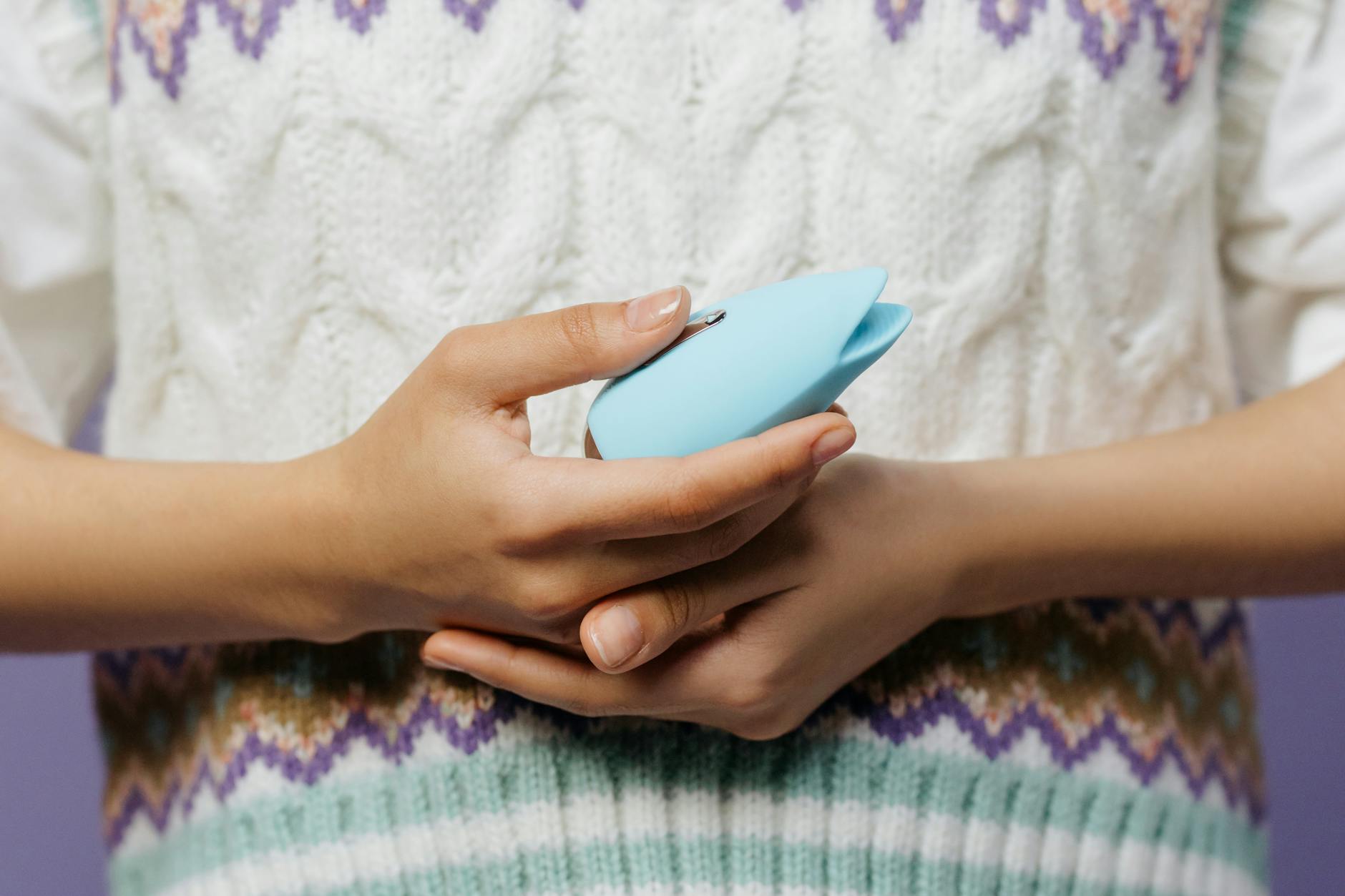
Let them hold the device. No pressure to use it. Just hold it. Feel the weight, the shape, the materials. Let them see it's not some elaborate contraption. A lemon clitoral vibrator is small, elegant, and yes, literally shaped like a lemon. It's not threatening. It's almost cute, honestly. That tactile familiarity removes a lot of the psychological resistance.
Then show them how it works. Turn it on. Let them feel the sensation on their own hand first, at low settings. "This is level one. This is level three. See? It's subtle at the start." Remove the mystery. Knowledge is comfort.
Build in together, step by step
Your first time using it together should not be goal-oriented sex. Full stop.
Start with foreplay. Get to a place where you're both aroused and comfortable. Then introduce the toy into touch as you normally would. The most natural entry is: you use it on yourself while they're involved in whatever's happening. You're not replacing them. You're adding sensation.
If they're touching you, you're using the toy, they're present and involved. That's integration, not replacement. Over time, as they see you enjoying it and feel secure in their role, they might want to use it on you. Or they might not. Both are fine.
Here's what matters: they stay in the loop. Talk during. "This feels good." "That setting is nice." "I like when you're touching me at the same time." Narration helps. It keeps the human connection front and center.
Address the timing question directly
Some partners worry that bringing toys in means sex is "not enough" anymore. That's worth naming head-on.
Tell them: "Sometimes a lemon vibrator gives me a type of sensation that helps me enjoy sex more. It doesn't mean our sex was bad before. It means I want to enjoy it even more now." That's not weakness or rejection. That's growth.
And here's the truth worth stating: plenty of couples have great sex without toys. Plenty have great sex with them. The variable isn't the toy. It's whether both people feel wanted, respected, and safe. The toy is just scenery.
The conversation after the first time
This matters as much as the experience itself.
Afterward, talk about it. Not in a debrief way. In a curious, connected way. "How did that feel for you?" "Would you want to do that again?" "Was anything weird or uncomfortable?" Listen without defending. If they found it weird, it was weird for them. That's not a failure. That's data.
If your partner didn't love it, you have options. Try a different setting. Try a different moment in your routine. Try less frequency. Or accept that toys might not be their thing, and you have other ways to stay connected. The goal is pleasure and intimacy, not toy usage.
When you're using it and they're not ready yet
Sometimes a partner will say "I'm open to you using it, just not with me yet." That's a boundary. Honor it.
Use the lemon vibrator solo when that's what fits. Eventually, proximity becomes comfort. They see you enjoying it. There's no drama. It's just part of your pleasure. Many hesitant partners become curious over time when they realize toys aren't threatening and aren't going anywhere.
The real framework: consent and curiosity
This works whether your partner eventually loves lemon vibrators or decides they're not their thing. The framework is: you stay curious without pressure. You invite them without demanding. You respect their pace while honoring your own desires.
That's the actual intimacy. Not whether someone uses a toy. Whether two people can say "I want this" and "I'm nervous about that" and figure it out together anyway.
Photo by cottonbro studio on Pexels
FAQ: Partner hesitation and pleasure toys
How do I know if my partner will ever be okay with using a lemon vibrator together?
There's no timeline. What matters is that you've had the conversation without pressure and you're checking in periodically. Some partners become curious after a few months of seeing you enjoy solo use. Others never warm up to it, and that's their right. Your job is to make the invitation clear, then respect their answer. If you're using it solo and they're present and comfortable with that, you're already building trust. That sometimes opens doors later.
What if my partner thinks I'm unhappy with our sex life if I want to try a lemon clitoral vibrator?
Name it directly. "I love our sex. I also want to explore this new sensation. Those two things aren't in conflict." You can want something new without dismissing what already works. People eat different foods and love multiple cuisines. Same principle. Adding a lemon sucker doesn't mean the previous version was bad.
Can I use a lemon vibrator with my partner if they're not touching me during it?
Absolutely. Lots of couples use toys while one partner is present but not directly involved. You're in the same space. You're connected emotionally even if the toy is doing the physical work. Proximity and presence matter more than direct contact. If your partner is willing to be there while you use it, that's a form of participation.
How do I talk about lemon vibrators without making my partner feel replaced?
Don't lead with the toy. Lead with desire. "I want to feel different sensations with you" is different from "I bought this thing because you're not enough." The toy is the method, not the point. The point is pleasure and connection. Keep returning to that in the conversation.
What if my partner is willing to try it but seems uncomfortable during?
Stop. Talk about it. "I notice you seem uncomfortable. What's up?" Discomfort during is data. Maybe the moment was wrong. Maybe the setting was too intense. Maybe they need more time to adjust to the idea. Don't push through someone's discomfort hoping they'll get used to it. That builds resentment, not trust.
Is it normal for one partner to be into lemon vibrators and the other not to be?
Completely normal. Desire and curiosity don't always match between partners. Some people are excited about toys. Others are content with what exists. Neither position is wrong. The challenge is finding a rhythm where both people feel respected. That might mean you use it solo sometimes and together other times. Or it might mean you use it and your partner reads nearby. Or it might mean the toy stays in the drawer and you find other ways to explore together. What matters is that you both agreed to the arrangement.
The actual invitation
If your partner has been hesitant about pleasure toys, you don't need to convince them. You need to invite them into curiosity with you. There's a difference. Convincing has an agenda. Inviting respects their autonomy.
Start the conversation. Listen to what they actually fear. Address that fear directly. Show them the device. Explain how it works. Go slow. Check in. Honor their pace. That's how couples move from "I'm not sure about toys" to "okay, let's try this" or even "this isn't for us, and that's fine too."
Your pleasure matters. So does their comfort. Both can be true at the same time. A lemon clitoral vibrator is just the tool. The real work is the conversation.