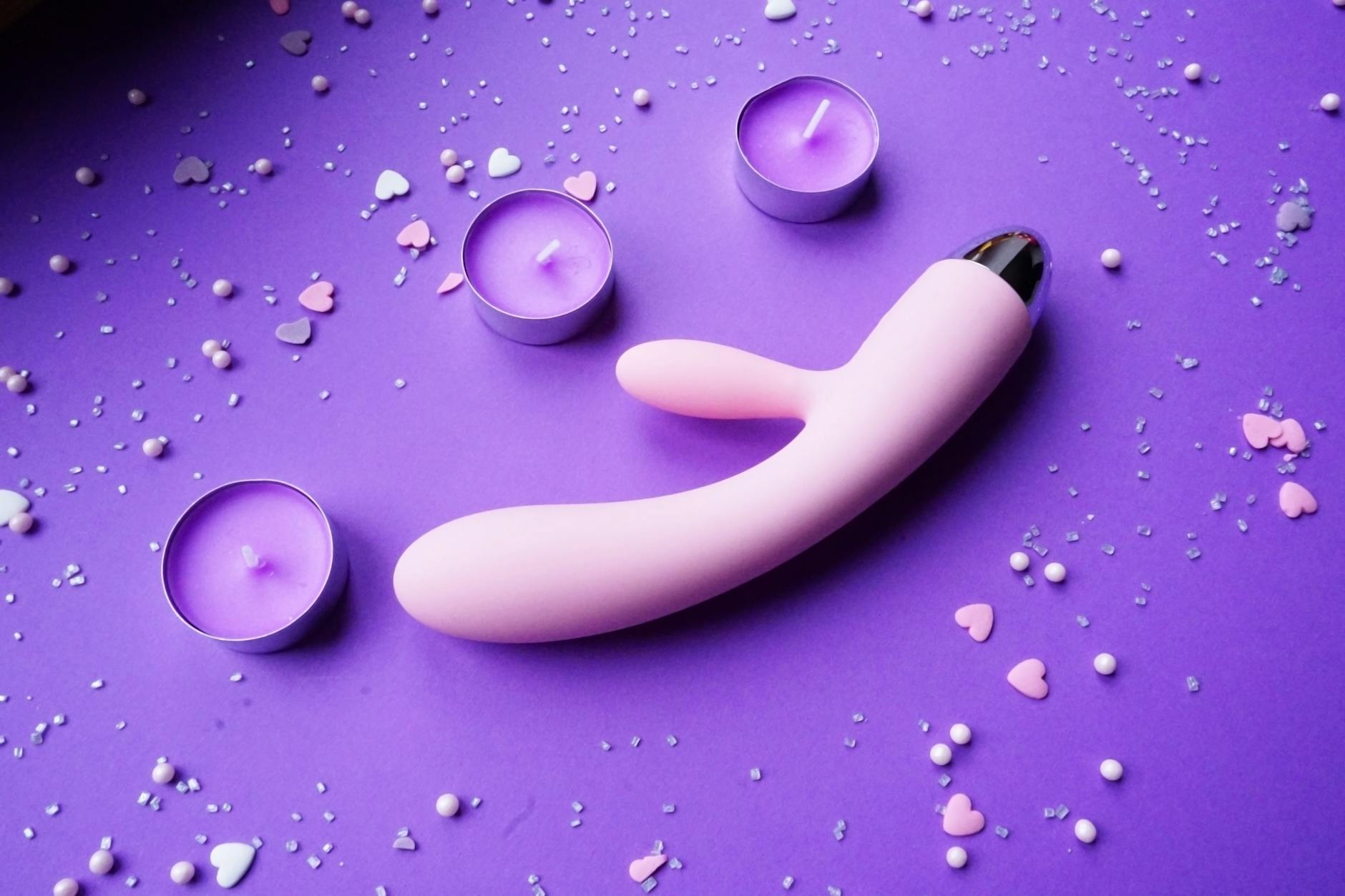
Let's be real about stress and desire
Stress doesn't just kill the mood. It colonizes your entire nervous system. When you're running on cortisol and worry, your body doesn't produce the neurotransmitters that light up pleasure. Dopamine drops. Blood flow redirects to your limbs (fight or flight mode) instead of your genitals. Arousal becomes nearly impossible, which then becomes guilt, which adds more stress.
This is why desire often vanishes during major life transitions. A sick parent. A career shift. Financial pressure. Relationship conflict. Your body isn't broken. Your system is just locked in survival mode.
How stress actually rewires your arousal circuit
When you're chronically stressed, your amygdala stays activated. That's the part of your brain that processes threat. At the same time, your prefrontal cortex (the pleasure and decision-making hub) gets less blood flow. It's like trying to feel sexy while sitting in a dentist's waiting room. Technically possible, but your brain is actively working against you.
The clitoris is densely innervated with nerve endings, but those nerves are extremely sensitive to your nervous system state. In high stress, even direct stimulation won't trigger the cascade that leads to arousal. You can touch all the right spots and feel nothing. That's neurological, not personal failure.
What's useful to know: this is reversible. Once you signal safety to your nervous system, sensation returns. A lemon clitoral vibrator can be that signal.
Why lemon vibrators work differently when stress is high
Traditional vibrators rely on rhythm and intensity. But when your nervous system is dysregulated, intensity often feels jarring rather than good. You need something that signals pleasure without demanding immediate response.
Lemon vibrators use suction and pulsing patterns that mimic the body's own arousal response. That matters when you're trying to coax your system back online. Instead of forcing stimulation, a lem vibrator gently teaches your clitoris that sensation is safe. The patterns feel more like a conversation with your body than a demand.
Plus, the physical sensation of suction is gentler on tissue when you're tense. Tension actually changes how your tissue responds. Stress causes pelvic floor tightness, which reduces sensation. A lemon sucker's air-based approach works with that tension rather than fighting it.
Step one: Start with your nervous system, not your body
Before you even touch yourself, spend three to five minutes grounding. Not meditation (that can feel like another task when you're stressed). Just five minutes of: feet on the floor, hand on your heart, noticing what's in the room around you.
Your nervous system needs permission to shift out of alert mode. That permission comes from your brain registering safety, not from willpower.
Many people skip this step and then get frustrated when a lemon vibrator doesn't work. It's not the toy that's failing. Your system hasn't gotten the all-clear yet.
Step two: Go slow on intensity levels
When you pick up a lemon clitoral vibrator, your instinct might be to jump to a middle or high setting. Resist that. Start on pattern 1 or 2 on the lem vibrator, even if it feels almost nothing.
The goal isn't orgasm on day one. The goal is to show your body that arousal is a possibility again. Low intensity does that without overwhelming you. It's sensory re-education. You're teaching your nervous system that touch equals pleasure, not obligation.
Spend two to three sessions at very low intensity before you dial up. I know that sounds slow. It works.
Step three: Build a tiny ritual around it
One of the biggest mistakes when rebuilding desire after stress is treating pleasure like just another thing you're supposed to do. You schedule it. You rush. The pressure kills any opening that could happen.
Instead, make it a small ritual. Light a candle. Put your phone in another room. Tell your partner or household that you need 20 minutes and you're not available. Make it feel like you're worth interrupting the stress cycle for.
This sounds soft, but it's actually neurological. Your brain needs to recognize this time as different. The ritual signals that to your system. Combined with a lemon vibrator, it's genuinely powerful.
Step four: Use it with your mind, not just your body
When stress has killed desire, sensation alone often isn't enough to restart arousal. You need your imagination working too.
That doesn't mean fantasy has to be elaborate. It might just be remembering a moment when you felt good. Or noticing what feels good right now without judgment. Or simply directing attention to sensation as it happens.
A lemon clitoral vibrator makes this easier because the sensations are distinct and interesting. They give your mind something engaging to focus on. Instead of your brain spiraling into stress thoughts, it's tracking the pattern of the lem vibrator and what you're feeling.
If your mind keeps drifting to worries, that's normal. Gently bring attention back. No judgment.
Why stress-related desire loss is different from other causes
If you're on antidepressants or dealing with hormonal shifts, those affect sensation in specific ways. Stress does something different. It's a nervous system lockdown that feels personal but isn't about your body's capacity. You haven't lost the ability to feel pleasure. Your system is just protecting you from it right now.
That distinction matters because the fix is partly about sensation (where a lemon vibrator helps) and partly about safety (where time and ritual matter more). Both need attention.
I've worked with many couples where one partner's desire vanishes during high-stress periods. The partner without stress sometimes feels rejected or thinks the relationship is failing. Often it's just that one person's nervous system is stuck in red alert. A lemon sucker can be a bridge back to connection, but so can patience.
The role of a partner in rebuilding desire after stress
If you're in a relationship, this matters: using a lemon clitoral vibrator solo during a stress-recovery period isn't rejection. It's often the fastest way to rebuild the neural pathways for pleasure. It's lower pressure. Your brain is in control. You're not performing or managing someone else's needs.
Once you've spent time reconnecting with sensation alone, you can bring a partner into the experience. But rushing that step often reactivates stress. Desire isn't built on a timeline. It's built on felt safety.
What timeline actually looks like
Most people start noticing shift within two to three weeks of consistent use (three to four times a week, 15-20 minutes). Sensation starts returning. You feel something. Then you feel interested in feeling something. Then you initiate.
That's not a 100 percent linear path. Some days will feel flat again, especially if stress spikes. That's normal. You're rebuilding a connection that got damaged by sustained activation of your threat response.
The lemon vibrator is a tool for that rebuilding. It's not a fix that works once. It's a way to practice pleasure repeatedly until your nervous system learns the pattern again.
When to see a specialist
If desire loss has lasted longer than six months even with consistent stress reduction, or if you're experiencing pain during touch, see a therapist or doctor trained in sexual health. Sometimes stress-related desire loss has an attachment component that needs clinical support.
If you're in a relationship and stress is creating conflict, couples therapy is often more useful than any toy. A lemon vibrator can help you rebuild your own sensation. A therapist can help you both understand what stress did to the relationship and how to reconnect.
But for most people navigating temporary stress and desire loss, time, a nervous system reset, and a tool like a lemon clitoral vibrator create the conditions for pleasure to return. Your body hasn't forgotten how to feel. It's just waiting for the signal that it's safe.
FAQ: Rebuilding desire after stress with a lemon vibrator
How long does it usually take to feel sensation returning after using a lemon vibrator during stress recovery?
Most people notice the first signs of returning sensation within two to three weeks of regular use, though some feel shifts within a few days. The timeline depends on how severe the stress is and how long desire has been dampened. Consistency matters more than intensity. Three or four sessions weekly at low intensity beats one aggressive session.
Can I use a lemon clitoral vibrator with my partner if I'm rebuilding desire after stress?
Yes, but I'd recommend spending at least a few sessions solo first. Stress-related desire loss often comes with performance anxiety or worry about disappointing a partner. Solo time with a lem vibrator removes that pressure and lets your nervous system reset without an audience. Once you're feeling sensation again, you can invite your partner in, and it usually feels much less charged.
Why does a lemon vibrator feel less intense when I'm stressed compared to when I'm relaxed?
Stress literally changes how your nervous system processes sensation. When cortisol is high, your body redirects blood flow away from the genitals and toward your limbs. That means less engorgement, less sensitivity. Additionally, your pelvic floor tightens under stress, which reduces sensation further. A lemon sucker's gentler approach works with this reality instead of fighting it. As stress lowers, the same intensity level will feel much stronger.
Should I use a lemon vibrator every day or give myself breaks when rebuilding desire?
I recommend three to four times per week rather than daily. Daily use can start to feel obligatory, which reintroduces the pressure that stress put on pleasure in the first place. You want it to feel like something you choose, not something you should do. If you miss a session or take a week off, that's fine. You're not losing progress.
Can stress-related desire loss come back suddenly or does it always rebuild gradually with a lemon clitoral vibrator?
It's usually gradual. You'll notice small shifts first. A moment of interest. A slight tingle. The beginning of arousal before it drops again. These micro-signals are signs that your nervous system is coming back online. Over weeks, those moments get longer and more reliable. Sudden return does happen, but it's less common when stress was deep and sustained.
Is there a difference between using a lemon vibrator solo versus with a partner when I'm rebuilding desire after stress?
Yes. Solo use takes the relational pressure off. You're not performing, managing anyone's needs, or worrying about whether you're responsive enough. With a partner, even with the best of intentions, that pressure often reactivates. Start solo. Solo gives you room to remember what pleasure feels like without an audience. Once sensation returns, adding a partner usually feels like a natural next step rather than a performance demand.
You deserve pleasure, even when life is heavy
Desire loss during stress isn't a character flaw. It's your nervous system doing its job too well. The good news is that it's reversible. A lemon clitoral vibrator, patience, ritual, and permission to move slowly can help you rebuild sensation and reconnect with pleasure. Your body hasn't forgotten. It's just been stuck in survival mode. Time to bring it back online.