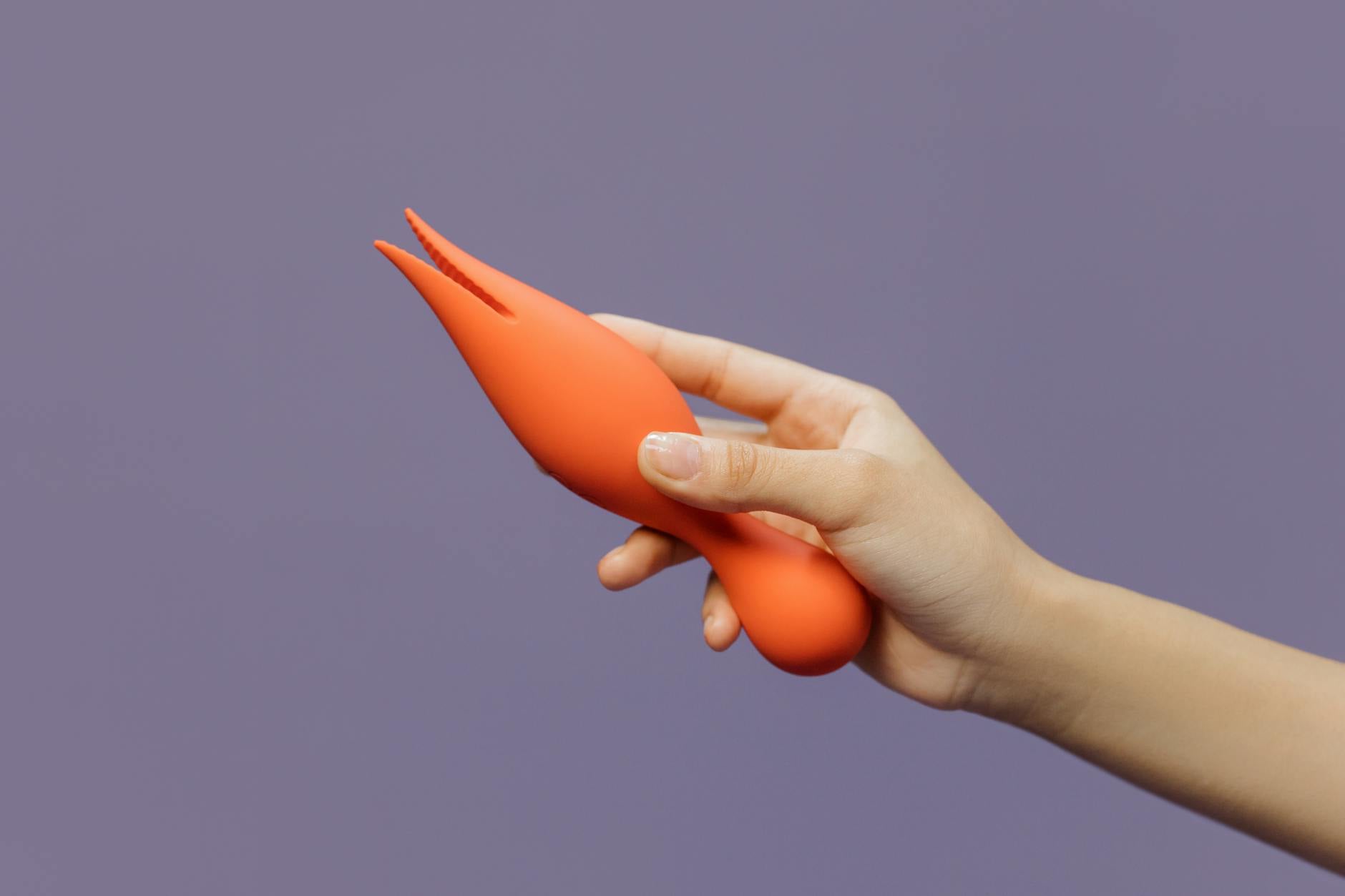
Here's what nobody tells you about desire during life shifts
Your libido doesn't drop because something's broken. It drops because something's changing. Moving in together, taking on a new parenting role, switching jobs, grieving a loss, aging into a different decade. These aren't sex problems. They're life problems that wear a sex costume.
The frustration comes from expecting desire to work like it always has when everything else in your world has reorganized. Your body is telling you the truth: I need something different now. Ignoring that usually makes things worse.
Why desire goes quiet during transitions
Psychologically, transitions demand cognitive load. Your brain is rewriting your identity, your role, your daily rhythm. Sex requires a different kind of brain. The kind that's curious, present, not running a checklist. When you're in transition mode, that part of your brain goes offline.
Thereand there's the physical piece too. Stress tanks dopamine and testosterone. Sleep gets worse. You're probably moving your body differently, eating differently, thinking differently. Desire lives in those baseline conditions. Change the conditions, and desire changes with them.
The other thing nobody mentions: when your relationship structure shifts, so does the permission structure around pleasure. If you've moved from dating to cohabitation, or from "just us" to "us plus kids," the emotional landscape changed. You might need different boundaries, different privacy, different initiation patterns. Trying to force old-pattern desire into a new-pattern relationship is like trying to wear a childhood dress. It doesn't fit.
The lemon vibrator works here because it's about you, not your relationship
When sex drive crashes, couples often think the answer is "we need more sex" or "we need better foreplay." That's fixing the symptom, not the cause. What you actually need is to remember your own desire.
A lemon clitoral vibrator like the Lem does this without the performance pressure. You're not building toward anything. You're not managing anyone else's pleasure or expectations. A lemon sucker vibrator uses gentle air-pulse technology instead of aggressive vibration. It feels different than traditional vibrators, which means your nervous system isn't comparing it to old patterns. You're writing a new script.
The solo practice with a lemon vibrator also does something crucial: it separates your pleasure from your relationship's pleasure. When desire is tanked, conflating the two usually creates resentment. "If you loved me, you'd want me." "If you were attracted to me, this wouldn't be hard." Those statements make sense in transition fog, but they're not true. Your desire tanked because your life changed, not because your partnership failed.
Photo by cottonbro studio on Pexels
How to actually start when desire is in the basement
Start with no expectation of orgasm. That sounds weird, but it's essential. If you're already in desire deficit, adding performance pressure just deepens the hole. The goal here is sensation and presence, not climax.
Set a time when you're not tired. This is important. If you only have energy for a lemon vibrator session at 11 p.m. on a weeknight when you're running on fumes, you're still running on fumes. Pick a time when you have thirty to forty minutes and actual blood sugar. Breakfast-time, mid-afternoon before pickup, weekend morning. Not "whenever I squeeze it in."
Start external only. No insertion. A clitoral vibrator like the Lem works on suction and gentle stimulation. You're training your nervous system to feel sensation again without intensity. Think of it as whispering to your body: I remember you. Your pleasure matters.
Use the Lem on the lowest settings for the first few sessions. The Lem vibrator is designed with multiple intensity levels. Most people in desire deficit jump to the middle settings because they're used to needing more to feel something. Your nervous system is actually more sensitive right now, not less. You're just distracted. Lower intensity lets you notice what's happening instead of chasing it.
Don't narrate it to yourself as "trying to fix our sex life." That's the transition talking. Frame it as "remembering what I like." The distinction matters. One is pressure. The other is curiosity.
When to involve your partner and when not to
Here's where people usually get stuck: they try to use a lemon clitoral vibrator as a couples thing right away. "Let's use the Lem together and things will improve." Sometimes that works. Often it adds pressure.
The first phase is solo. You're reclaiming your own desire, not generating couple desire. This might feel weird or awkward if sex has always been relational in your partnership. That weirdness is actually information. It's telling you something about how merged your sexuality got, which is worth thinking about later.
After you've spent two to three weeks with the Lem on your own, and you're noticing sensation again and maybe orgasming more regularly, then the conversation gets easier. You can tell your partner: "I'm reconnecting with myself. That's making me feel more present." That's a very different conversation than "our sex life is broken and we need to fix it."
When you do introduce your partner, let them watch if they want, but don't perform. The moment you start performing for an audience, you've lost the thread. Use the lemon vibrator the same way you do alone. Let them see what your pleasure actually looks like, not a version of it edited for partnership.
What changes when you come back online
Desire doesn't return uniformly. It doesn't just come back like it was before. It comes back textured by what you've been through.
Some people report that using a lemon vibrator during transition actually restructures what they want. Desire during major life changes sometimes requires different things. Maybe you need less frequency but more presence. Maybe you want more exploration and less routine. Maybe you discover that what worked before doesn't work now, and that's not a problem. That's information.
Using the Lem gives you a chance to experiment without stakes. You're not being watched. You're not managing anyone else's expectations. You can try different patterns, different timings, different mental contexts and actually figure out what you want in this new version of your life.
The relationship piece comes after. It has to. You can't rebuild couple desire from a place of personal desire deficit. It doesn't work. But personal desire is reachable. It just takes time, privacy, and patience.
The emotional piece matters as much as the physical one
Using a lemon vibrator when sex drive is tanked isn't just about stimulation. It's a ritual that says: I'm worth pleasure. I deserve to feel good in my body even though everything else is changing. I don't have to perform. I get to just be.
That might sound abstract, but it's neurological. Your nervous system needs permission to downshift from survival mode to pleasure mode. That permission often has to come from you first, before your partner can offer it.
If the transition you're in is grief or loss or identity shift, there's grief work to do that has nothing to do with a lemon clitoral vibrator. A Lem vibrator is a tool for reconnection, not a substitute for processing. Use it alongside therapy or couples counseling, not instead of.
When to check in with a professional
If desire doesn't return after three months of consistent solo practice with tools like the Lem. If you notice pain instead of numbness. If the desire disappears but everything else in the relationship feels fine, which can indicate depression. If your partner is pushing for sex while you're clearly in a vulnerable transition. If you're using the lemon vibrator compulsively to escape feelings instead of to reconnect with sensation.
Those are conversation starters with a therapist who specializes in relationship transitions or grief, depending on what's driving the shift.
The long view
Desire during life transitions is temporary. It feels permanent when you're in it, but it shifts as the transition settles. Your job isn't to force it back. Your job is to stay curious about your own body, stay honest with your partner about what's happening, and give yourself permission to feel whatever you're feeling.
A lemon vibrator like the Lem is a really elegant tool for that because it's focused entirely on you. Not on performance, not on partner satisfaction, not on proving anything. Just you, sensation, presence. From there, everything else gets easier.
People also ask
How long does it take to rebuild sex drive after a major life change?
There's no timeline. Some people feel desire returning within weeks. Others need months. It depends on the size of the transition, your stress level, sleep quality, and whether you're actively reconnecting with your body. Using a lemon vibrator consistently usually shows results within two to three weeks, but that's reconnection, not full restoration. Full restoration takes as long as it takes. Don't rush it.
Can my partner help me rebuild desire, or do I need to do it alone?
Both. Your partner can be supportive, patient, and enthusiastic about non-sexual intimacy. That really helps. But they can't rebuild your desire for you. That's your nervous system's job. What your partner can do is give you space and time without making it mean something about the relationship. Solo practice with a lemon clitoral vibrator gives you that space with yourself.
Is it normal to feel nothing when using a vibrator during a transition?
Yes. Feeling nothing is actually your body being honest. It means you're not numb to the vibrator. You're just numb to sensation generally right now, which makes sense when you're in transition mode. Keep practicing at low settings. Sensation usually returns before orgasm does. Patience here pays off.
Should I tell my partner I'm using a lemon vibrator, or keep it private?
That depends on your relationship agreements around privacy and sexuality. There's no universal answer. What matters is that the practice isn't secret because you're ashamed or scared. If you're keeping it hidden to protect your partner's feelings or avoid a conversation, that's worth thinking about. Healthy partnerships make room for solo sexuality during transitions. If yours doesn't, that's a separate conversation worth having.
What if using a lemon vibrator makes me feel more disconnected from my partner instead of closer?
That might mean the timing isn't right for introducing it, or it might mean the conversation between you hasn't happened yet. Reconnecting with solo pleasure sometimes makes people more aware of what's missing in partnership. That's not the vibrator's fault. That's information. You might need to talk about what desire actually requires from both of you before using tools together.
How do I know when I'm ready to invite my partner into this practice?
When you feel curious about their pleasure again instead of obligated. When you can use the Lem without it feeling like practice or homework. When you're noticing your own sensation and enjoying it, not just tolerating it. When you can talk about it without shame or defensiveness. Those are your signals.
References and resources
Gottman, J. M., & Silver, N. (2015). The Seven Principles for Making Marriage Work. Harmony. Comprehensive research on relationship transitions and reconnection.
Perel, E. (2018). The State of Affairs: Rethinking Infidelity. HarperCollins. Explores desire, intimacy, and how life changes affect partnership sexuality.
Nagoski, E. (2015). Come As You Are: The Surprising New Science That Will Transform Your Sex Life. Scribner. Evidence-based insights on desire, stress, and sexual response during transitions.
Bennis, W., & Thomas, R. J. (2002). Geeks and Geezers: How Era, Values, and Defining Moments Shape Leaders. Harvard Business School Press. Research on identity transitions and adaptation.
For more on reconnecting with pleasure during life shifts, explore How to Use a Lemon Vibrator When Returning From an Extended Sexual Break or How to Use a Lemon Vibrator When Sex Feels Mechanical or Disconnected. Both cover similar nervous system recalibration.