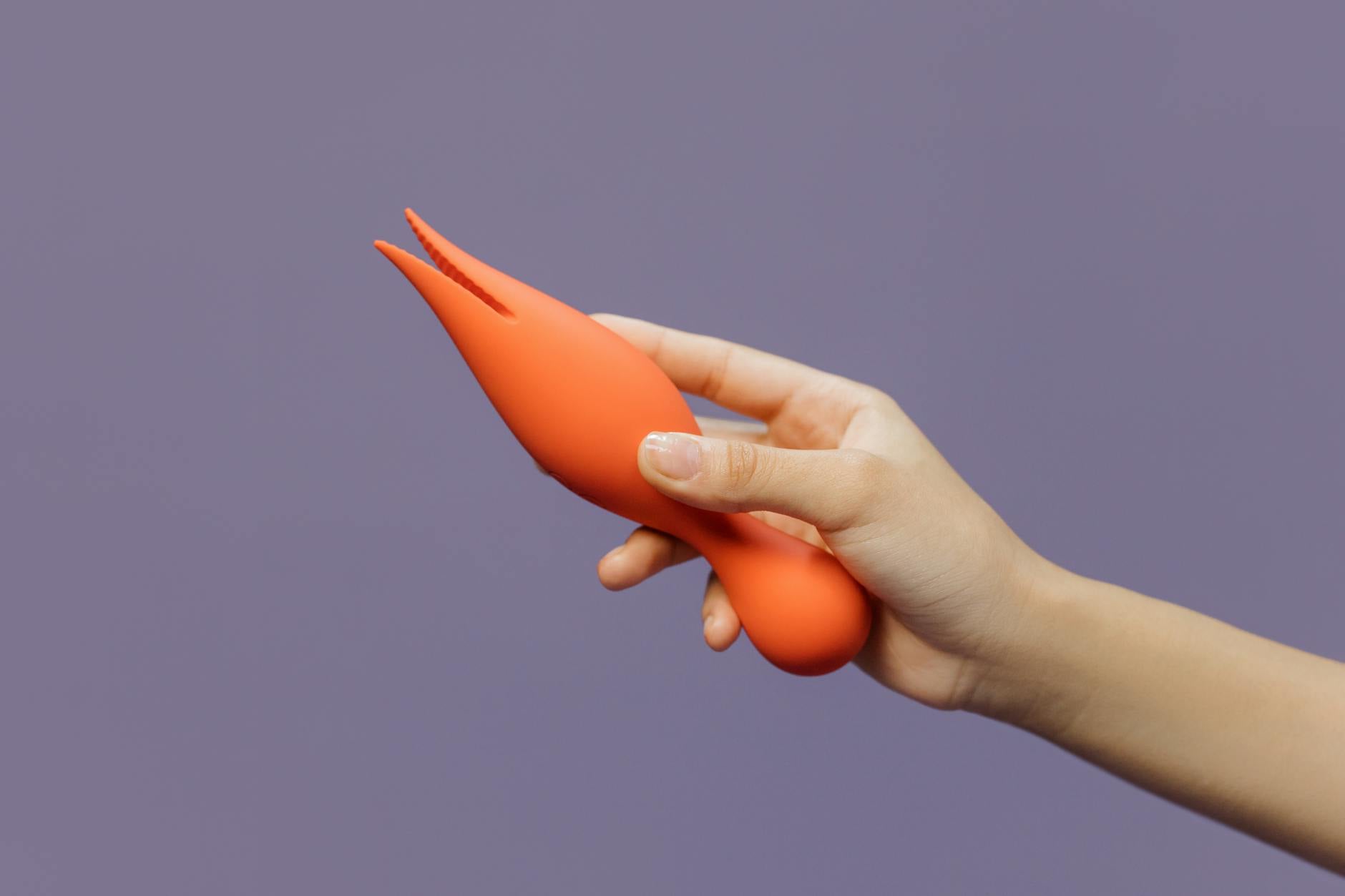
Let's start with the honest part
One of you could probably use a lemon vibrator on max intensity forever. The other one needs three minutes at pattern two before it starts to feel like too much. Neither of you is broken. You just have wildly different nervous systems, and that's actually more common in couples than anyone talks about.
The problem isn't difference. The problem is pretending there is none.
Most couples either split the experience (one person uses it, the other watches) or they try to find some mythical middle ground that leaves both people frustrated. There's a third way, and it's not complicated. But it does require talking about something most people would rather avoid: exactly how sensitive your body actually is, and what you need to feel good.
Why sensitivity differences matter in the first place
First, let's clear something up. Sensitivity isn't about arousal level or how much you want your partner. It's about nerve density, skin thickness, blood flow patterns, and how quickly your nervous system processes input. Some people's clitoral nerves fire fast and loud. Others need a slower build.
Add a lemon sucker (which uses suction rather than vibration) into that mix and things get complicated fast. The Lem's sensation is gentler than traditional vibrators because it works through suction, but "gentler" doesn't mean "one-size-fits-all." If one partner loves the intensity and the other feels overstimulated within minutes, you need a strategy.
There's also the refractory effect to consider. Extended stimulation at high intensity numbs sensation temporarily, which is why one partner might feel like they're chasing the feeling while the other partner is already uncomfortable.
How to talk about it without it feeling clinical
Here's what usually goes wrong: one person says "that's too intense" and the other person hears "you're hurting me" or "I don't like this." Those are different things entirely.
Before you even pull out a lemon clitoral vibrator together, have a conversation that separates sensation from emotion. The script I use with couples is simple:
"When we use this together, I want us to be able to tell each other what we're actually feeling without it meaning something's wrong. Too intense doesn't mean bad. It means my nerves are responding at a different volume right now. That's just data."
Then agree on three signals. Not "stop" (which feels like failure) but something like: intensity level one (I want to keep going but turn it down), intensity level two (I need a break but I'm still interested), and stop (we're done with this for now). Make them specific and silly if that helps. The point is removing shame from the conversation.
The actual technique: how to use a Lem together
There are four ways to use a lemon vibrator as a couple, depending on your sensitivity gap.
Option one: The alternating pattern approach. One person uses it for two to three minutes at a lower pattern (usually one to three on the Lem). Then you switch. The more sensitive partner goes first, when sensation is freshest and they don't need high intensity to feel something. The less sensitive partner goes second and can use higher patterns without feeling rushed. This isn't the most intimate option, but it's the clearest way to make sure both people get what they need.
Option two: The guided hand approach. The more sensitive partner holds the Lem or guides it while the less sensitive partner controls which pattern you're using. This keeps the experience connected and intimate while giving control to whoever can handle the intensity level. You're not just taking turns; you're actually touching each other through the device.
Option three: The dual device method. If you have access to two different clitoral vibrators (maybe one lemon vibrator and something with different stimulation), use them simultaneously on different people. It sounds indulgent, but it's actually the most equalizing option because both people get their ideal sensation at their ideal intensity without compromise. No one's nervous system is being forced into someone else's preference.
Option four: The layering technique. Start at the lowest pattern on the Lem (pattern one) and build up together only if the more sensitive partner is staying comfortable. Spend more time at each level. The less sensitive partner learns to appreciate subtler sensation, and the more sensitive partner doesn't have to white-knuckle through an intensity that feels overwhelming. This works best if you're already experienced with the device and you trust each other's signals.
The refractory numbing problem (and how to avoid it)
Here's something that trips couples up: the more sensitive partner might feel numb after 10 to 15 minutes, even at lower patterns. This doesn't mean the device isn't working. It means their nervous system is temporarily saturated.
The fix is rest. Not break. Rest. Five to ten minutes of no stimulation, just touching, breathing, connection. This resets the nervous system and usually brings sensation roaring back.
If you're skipping rest and pushing through numbness, you're chasing a feeling you've temporarily lost. That's when using a lemon clitoral vibrator starts to feel frustrating instead of good.
When to adjust patterns mid-session
If you're using the guided hand approach or building up together, you might need to adjust mid-way through. The more sensitive partner might need to dial down from pattern three to pattern two. That's not a failure. That's actually good data. Your bodies are telling you something.
Make the adjustment without commentary. "Let me turn this down" lands differently than "you're getting numb" or "I can't handle this." Keep it functional.
Building a shared rhythm
The sweetest version of this isn't about matching exactly. It's about syncing intentionally. The more sensitive partner using lower patterns, the less sensitive partner discovering that gentler sensation can be interesting too, both of you staying in the same experience without resentment.
That usually means the less sensitive partner going slower than they might alone. But here's what I've seen happen: people discover they actually like patterns they thought they wouldn't. Intensity isn't always better. Sometimes the difference between pattern two and pattern five is the difference between feeling connected and feeling separate.
What to actually say in the moment
Don't overthink it. Just be specific:
"That's too much right now." "Can we go back to pattern two?" "I need a break but keep touching me." "I want to keep going but switch hands." "This is perfect, don't change anything."
Plain language. Honest feedback. No apologies.
FAQ
What if one person wants intensity and the other feels overstimulated quickly?
Take turns using the lemon vibrator separately but together. The more sensitive partner goes first at their ideal intensity, then you switch. This removes the pressure to find a compromise that half-satisfies both people. You both get what you need, just not simultaneously.
Can we use a lemon clitoral vibrator if our sensitivities are really far apart?
Absolutely. The larger the gap, the more you'll benefit from talking about it upfront and picking one of the options above (alternating, guided hand, dual device, or layering). You're not trying to bridge the gap. You're working with it as a feature, not a bug.
Does using a lemon vibrator together always take longer?
Usually, yes. You're building in communication, rest, and adjustment time. That's not wasted time. That's connection. But if you're stressed about duration, set a time limit before you start. "We have 30 minutes" changes how you move through it.
What if we can't get on the same page about intensity?
That might point to something bigger than the device. Sometimes different sensitivity preferences are about different comfort levels with vulnerability, different relationship dynamics, or unspoken pressure. A couple's therapist or sex coach can help untangle that. The lemon vibrator isn't the problem. It's just the place you noticed the disconnect.
Is it normal that we feel disconnected when using vibrators together?
Very normal. Especially if one person feels like they're performing or accommodating. The fix is usually switching to the guided hand approach or the layering technique, where you're actually in physical contact and building toward something together instead of taking turns.
How do we know if we should be using a different clitoral vibrator for one of us?
If one person consistently needs patterns six and above while the other maxes out at pattern three, you might both enjoy your experience more with different tools. The Lem works beautifully for mid-range sensitivity. But if the gap is extreme, having a second device (maybe something with different stimulation type) lets both of you stay satisfied without compromise.
What if using it together feels awkward at first?
It will. You're learning someone's nervous system in a new way and being honest about your body. That's vulnerable. The awkwardness usually dissolves after two or three times. The key is not abandoning the experiment after one attempt. Give yourself at least three solid tries before deciding it doesn't work for you.
The real thing
The couples I work with who do this best aren't the ones with identical sensitivities. They're the ones who decide that different needs aren't a problem to solve. They're just information. Your partner's sensitivity isn't a limitation on your pleasure. It's a map of how to touch them in a way that actually lands.
A lemon vibrator is just the tool. The real work is saying out loud what you actually need and listening to what your partner needs without making it mean something about love or desire.
If you want to talk through what's working or isn't working for you and your partner, reach out. That's literally what I'm here for. Head to /contact and let's figure it out together.