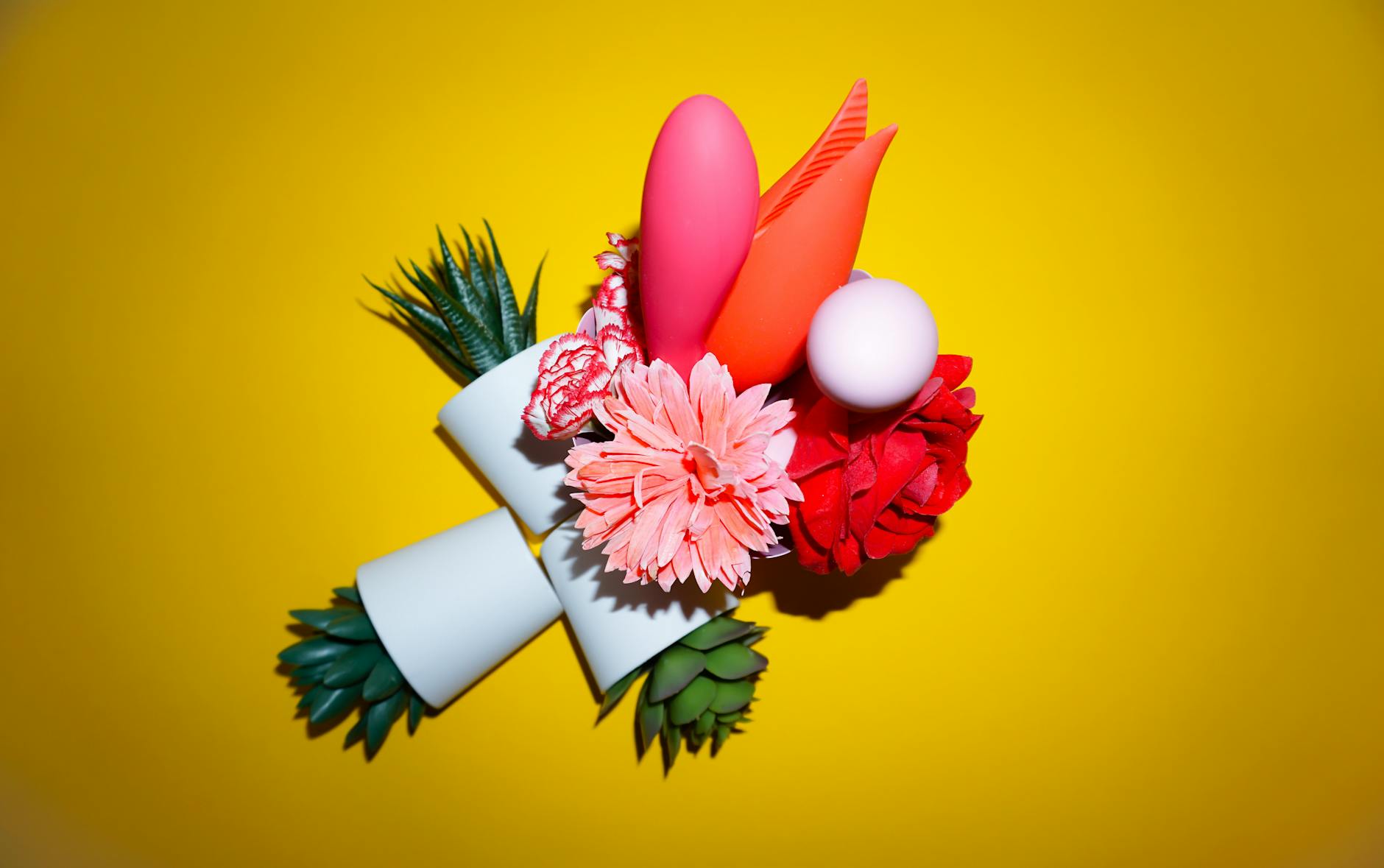
When intensity mismatches become a real thing
Here's the thing: a lot of couples discover that they're wired differently when it comes to sensation. One partner loves deep, rumbly stimulation. The other finds it overwhelming. One wants consistent pressure. The other needs something that ebbs and flows. And suddenly, a shared pleasure tool becomes a source of tension instead of connection.
A lemon vibrator changes this dynamic because of how it works. Unlike traditional vibrators that deliver sustained, rhythmic buzzing, a lemon sucker uses air-pulse technology to create suction and release patterns. That means you get stimulation that's more nuanced, less relentless, and infinitely more controllable.
Why partners who dislike intense vibration often prefer air-pulse design
There are three reasons the Lem vibrator works so well for couples navigating sensitivity differences. First, air-pulse stimulation naturally feels less aggressive than direct vibration. Instead of continuous buzzing that can overwhelm sensitive nerve endings, you get a pulse that stimulates and then releases. Second, the intensity isn't binary. Traditional vibrators often have a narrow sweet spot between "barely noticeable" and "way too much." A lemon clitoral vibrator has multiple patterns and intensity levels that sit in the middle ground. Third, and maybe most important, suction-based stimulation feels different spatially. It pulls sensation inward rather than hammering it from the outside. For partners who describe vibration as "too sharp" or "too scattered," that distinction is everything.
If your partner has described regular vibrators as overstimulating, the gentler approach of air-pulse technology often feels like relief rather than compromise.
Start the conversation before you start playing
This matters more than the toy itself. Sit down without the device nearby and ask specific questions. "What exactly feels like too much? The speed? The pattern? The directness?" Some partners find high-frequency vibration exhausting on their nervous system. Others find the sensation unpleasant when it's concentrated in one spot for too long. Others worry about numbness if they use something too intense. Others just prefer sensation that feels more like massage than hammering.
Understand the actual friction point. Then you can use that information to shape how you introduce and use the lemon vibrator.
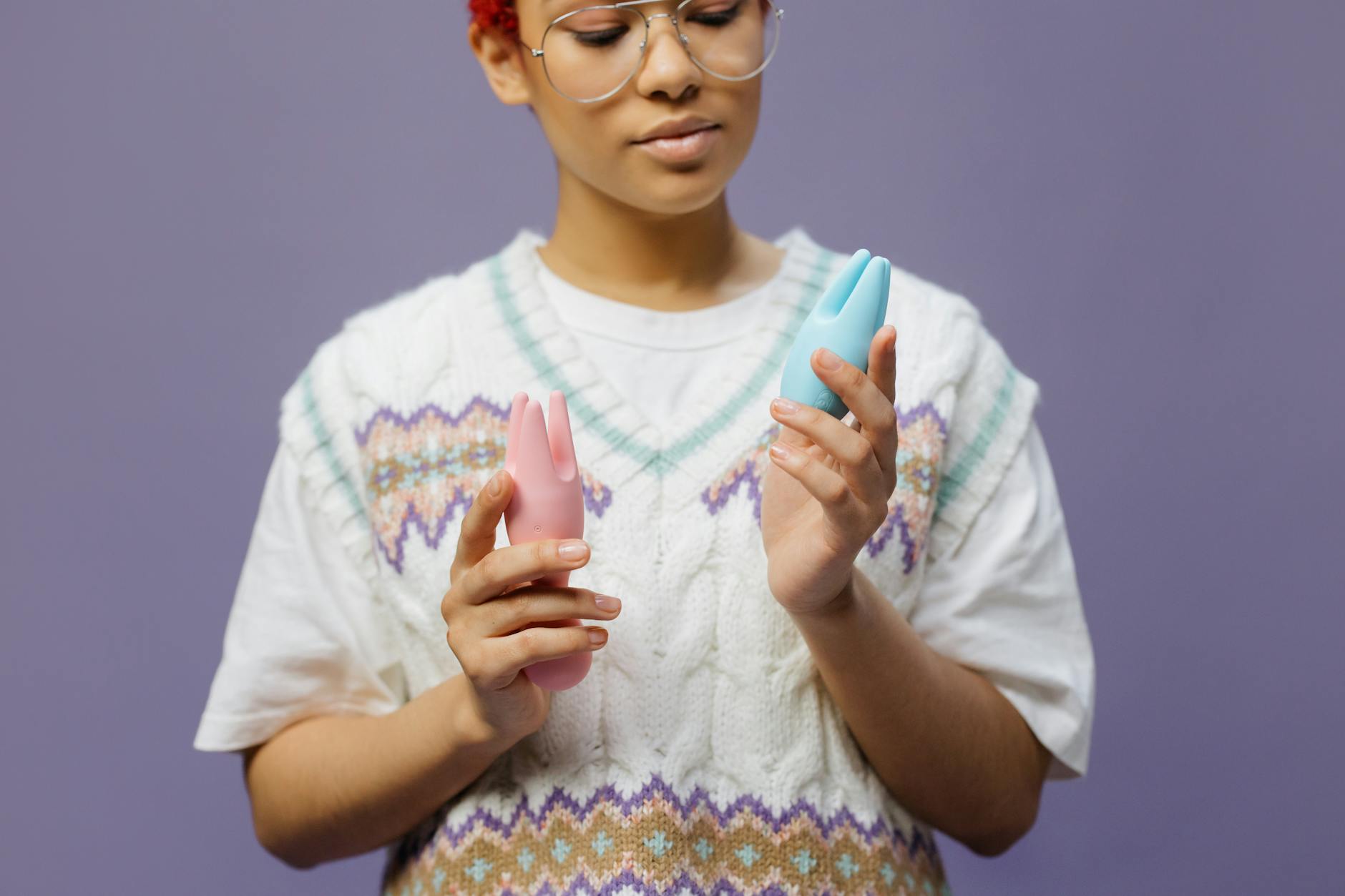
Photo by cottonbro studio on Pexels
How to introduce the device without pressure
Don't make the first interaction about using it. Show them how it works. Let them hold it. Demonstrate the patterns on your arm or hand first so they can see what each setting actually feels like. No surprise, no expectation. This removes the "oh god, what's about to happen" anxiety that often makes sensitivity worse.
When you do use it together, start with the lowest setting and the gentlest pattern. With a lemon clitoral vibrator, that often means pattern 1 or 2 at level 1 or 2. You're not trying to build to orgasm in the first session. You're building trust and discovering whether this particular tool works for this particular body.
The partner's role during play
If you're the partner with lower sensitivity tolerance, you need to stay in the driver's seat. Tell your partner what you want in real time. "A bit slower." "Just the tip." "Can you move it slightly to the left?" The person using the device should check in frequently. "Does this pattern work? Should I dial it back?" This isn't performance anxiety. This is collaboration.
Many partners find that once they're in control of the conversation, the actual sensation becomes easier to tolerate. That's because anxiety and tension make everything feel more intense. When you know you can ask for less at any moment, suddenly less doesn't feel claustrophobic.
Positioning and pacing matter as much as intensity
With lemon vibrators, you have more options than just direct stimulation. Try using it indirectly over underwear. Try holding it against the outer labia instead of directly on the clitoris. Try using it for a few seconds, then pausing, then using it again. This intermittent approach often works better for partners who find sustained stimulation draining.
Alternatively, use it on your partner while they stay still. Meaning: your partner receives sensation without having to engage or reciprocate. That can feel less intense psychologically because there's no performance pressure. Some partners describe this as deeply relaxing compared to the "I need to be responsive" energy of more traditional partnered sex.
When to combine it with other forms of touch
Don't let the toy be the whole experience. Integrate it. Use the Lem vibrator on your partner for 30 seconds, then switch to hands, then back. This variety actually reduces overwhelm because the nervous system gets recovery moments. It also prevents the numbing that can happen when stimulation stays identical for too long.
Some couples find that combining air-pulse stimulation with penetration works beautifully. The vibrator provides gentle external sensation while intercourse or internal stimulation handles the deeper work. This splits the load, so no single form of stimulation has to carry all the intensity.
What to do if they still find it too much
If your partner tries a lemon clitoral vibrator and still finds it overwhelming, that's information. It tells you they probably need one of three things: even gentler sensation, a different type of stimulation entirely, or external tools that let them control timing completely.
For even gentler options, try transitioning to lemon vibrators if you're coming from traditional vibrators. Or explore whether your partner's sensitivity is situational. When arousal takes longer to build, sometimes the issue isn't the toy but the pacing of the session itself.
Some partners need more warm-up, more foreplay, more emotional connection before their body tolerates any vibration at all. In that case, the toy isn't the problem. The session timing is. Adjust your approach and try again in a week or two.
Building intimacy through sensitivity differences
Here's what I see in my practice: couples who work through sensation mismatches often end up closer, not more distant. That's because the process forces you to communicate clearly, pay attention to your partner's responses, and prioritize their experience.
Using a lemon vibrator together when one partner has lower sensitivity tolerance isn't a compromise. It's an opportunity to learn what your partner's nervous system actually needs. And that information transforms everything.
Your partner deserves pleasure that doesn't feel like a project. You deserve to share that pleasure without guilt. A lemon sucker gives you the tool. Communication gives you the map.
People also ask
Why does my partner find regular vibrators too intense?
Sensitivity differences are neurological, not a sign of lower desire. Some people's clitoral nerve endings fire more readily, which means stimulation that feels pleasurable to one person feels aggressive to another. Anxiety, tension, hormonal factors, and medication side effects can all heighten sensitivity. If your partner finds regular vibrators painful or overwhelming, start with air-pulse technology like a lemon clitoral vibrator. It delivers stimulation in shorter pulses rather than continuous buzzing, which many sensitive partners tolerate better.
Can we use a lemon vibrator if we have different pleasure styles?
Absolutely. That's actually one of the strengths of air-pulse devices. A lemon vibrator has multiple patterns and intensities, so the partner with higher sensitivity can use gentle settings while the other partner can explore higher settings when solo. During partnered play, you're in control of which setting you're using, so you can adjust in real time based on feedback. This flexibility makes it one of the best couples vibrators for mismatched preferences.
How do I talk to my partner about using a vibrator without them feeling bad about themselves?
Frame it as addition, not replacement. "I want to explore this with you" is different from "I need this because you're not enough." Introduce the device as a tool you're both curious about, not a fix for a problem. If your partner is hesitant, let them lead the pace. Show them how it works on yourself first. Ask what they're actually worried about (performance, comparison, overstimulation, judgment). Address that specific concern rather than the tool itself.
Can my partner use a lemon vibrator if they've never used toys before?
Yes, and they might actually be better off starting with air-pulse stimulation than traditional vibrators. Air-pulse feels more novel and less intimidating to many people new to toys. A lemon clitoral vibrator can be used externally, indirectly (over underwear), or for just a few seconds at a time. None of those require comfort with penetration or aggressive sensation. Start low, go slow, check in constantly.
What if my partner still finds the lemon vibrator overwhelming?
Then you have useful data. Some people need even lower intensity, which means exploring whether gentler manual stimulation might be their preference. Others need a completely different approach to pleasure that doesn't involve vibration at all. Have an open conversation about what they actually want. Maybe partnered pleasure looks like your hands, your mouth, and no devices. Maybe it looks like them using the toy solo first to learn their own tolerance. Maybe it looks like slowing down the entire session so arousal builds more gradually. Sensitivity differences aren't problems to solve. They're invitations to get more creative.
How often should we use the vibrator together?
There's no formula. Once a week, once a month, or a few times a year are all normal. What matters is that you're both enthusiastic about it when you do. If your partner feels obligated or like they're tolerating it, the frequency isn't the issue. The enthusiasm is. Check in afterward. "Did that feel good? Do you want to try it again sometime?" Listen to the actual answer, not the polite one.
When to seek support
If communication breaks down or one partner consistently feels rejected or pressured around the use of vibrators, that's worth addressing with a couples therapist. Sometimes sensitivity differences mask deeper issues about acceptance, desire compatibility, or unresolved hurt. A professional can help you separate the actual problem from the tool.
Your pleasure matters. Your partner's pleasure matters equally. A lemon vibrator is just equipment. What matters is that you both feel heard, safe, and genuinely interested in what you're exploring together.