When desire disappears, it's a conversation, not a sentence
Let's be real. Low libido feels like a betrayal. You used to want sex. You used to initiate. You used to feel that pull of desire, and now you're checking your phone instead of undressing. Your partner feels rejected. You feel broken. And everywhere you look, wellness culture is telling you to take a supplement or "reconnect with yourself," which is basically telling you the problem is your fault.
It's not. And the solution isn't always about trying harder.
Low libido usually has a root cause: stress, burnout, relationship friction, medication side effects, hormonal shifts, or sometimes just the cumulative exhaustion of being an adult. The problem is that once desire has tanked, restarting it feels impossible. Your body doesn't respond the way it used to. Arousal takes longer. Touch that used to feel electric now feels neutral. And when you try to force it, everything gets worse.
This is where lemon vibrators fit in. Not as a magic fix, but as a tool to restart sensation when your nervous system has gone quiet. And yes, that distinction matters.
Why low libido isn't about willpower
Desire lives in your nervous system, not in your willpower. When you're chronically stressed, overworked, or in a relationship dynamic that feels off, your nervous system gets stuck in a protective mode. Arousal requires your body to feel safe enough to be vulnerable. If your nervous system is in fight-or-flight, pleasure gets deprioritized. It's not laziness. It's biology.
I work with couples where one partner's libido has cratered, and they usually say the same thing: "I want to want it. I just don't." That gap between intention and actual desire is real, and it's painful. The instinct is often to push through it. Have sex anyway. Try harder. Hope it comes back.
Sometimes that approach backfires. Obligatory sex often makes low libido worse because it reinforces the idea that your body is failing you.
The role of sensation in rebuilding desire
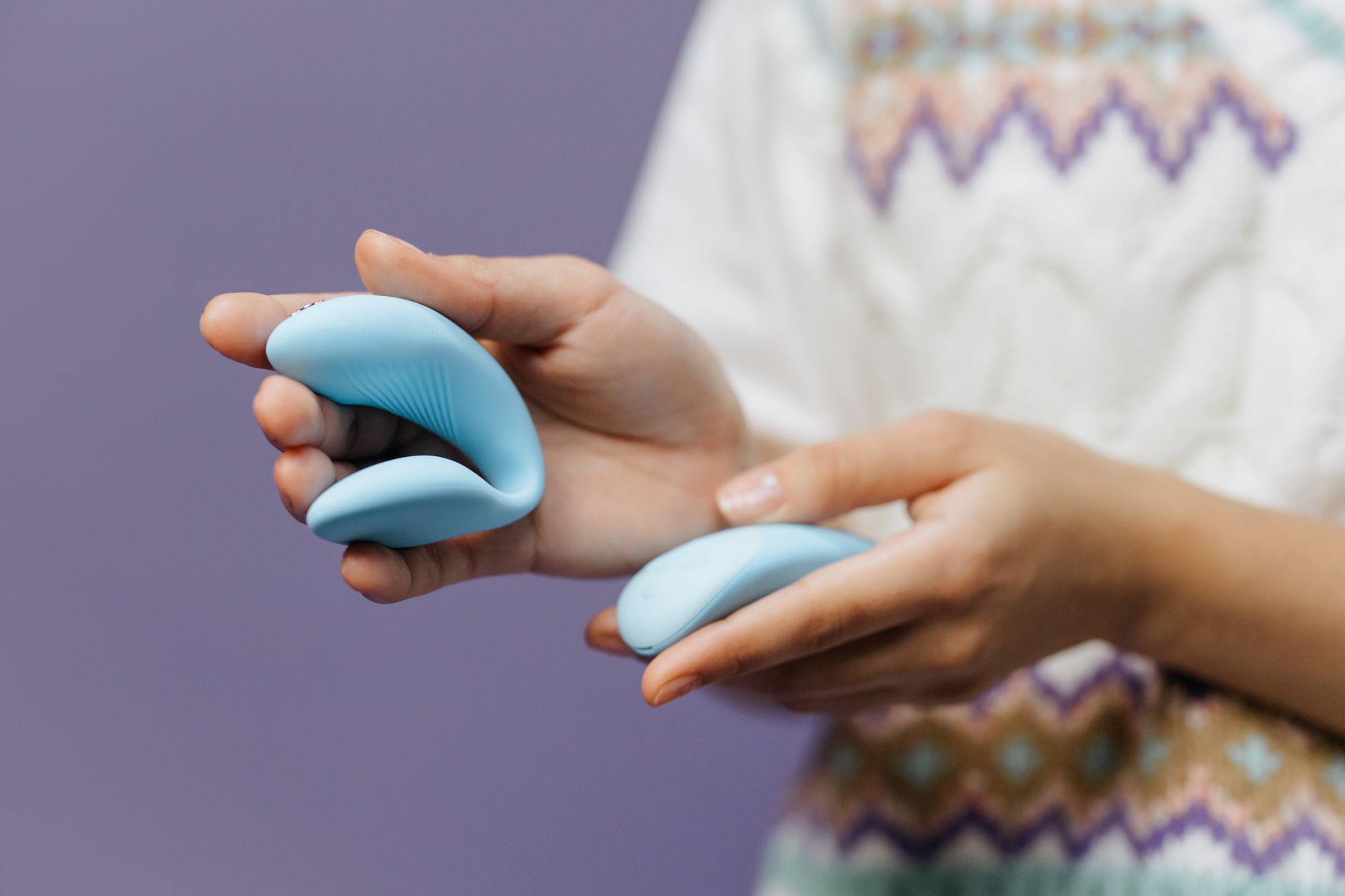
Here's something that changes things: desire and sensation aren't the same thing. You can restart sensation without forcing desire. A lemon vibrator works here because it's designed to feel genuinely different from traditional vibrators. The suction-based stimulation bypasses the pressure-heavy sensations that can feel numb or overstimulating when your nervous system is already depleted. It wakes up nerve endings that have gone quiet.
When you use a lemon clitoral vibrator, you're not trying to have an orgasm (yet). You're basically teaching your body that pleasure is still available. That sensation still works. That arousal is possible.
Many people with low libido have been in survival mode for so long that they've forgotten what baseline pleasure even feels like. Reintroducing sensation without the pressure to perform is genuinely powerful. It's permission to feel something without it having to lead anywhere.
How to actually restart with a lemon vibrator
First, separate this from partnered sex for now. I know that sounds counterintuitive if you're in a relationship, but here's why it works: when you're exploring sensation alone, there's no pressure. No watching your partner's face. No worrying about their needs. No internal timer ticking. That freedom is what allows your nervous system to relax enough to feel anything at all.
Start with what feels manageable. You don't need a lengthy ritual. You don't need candles or music or any of the things Instagram tells you to do. You just need five to ten minutes alone, a lemon vibrator, and zero expectations of outcome.
Begin on the lowest setting. Literally pattern one on a device like the Lem. This is key: when libido is low, you're often dealing with actual sensory numbness. High intensity won't feel good. It'll feel overwhelming. Low intensity gives your nerve endings a chance to wake up gradually.
Start by touching the area around your clitoris, not directly on it. The entire vulva has nerve endings. Let yourself feel the device on your inner thighs, your labia, anywhere that feels interesting. This isn't foreplay in the traditional sense. It's just sensation gathering.
Building a pattern that works for low libido
The mistake people often make is assuming that if sensation doesn't immediately feel amazing, something is wrong with them or with the toy. When libido is low, sensation takes time to build. Your nervous system needs permission to gradually shift from protective mode into something more receptive.
Spend the first few sessions just getting used to the feeling. Move the device around. Notice temperature, pressure, rhythm. The goal is curiosity, not pleasure. Pleasure often follows curiosity, but if you're hunting for it, it'll hide.
Many clients tell me that it takes three to five solo sessions with a lemon vibrator before they start genuinely feeling something. That's completely normal. Your body is literally rebuilding its capacity for arousal. This takes time.
Once sensation starts to register, you can experiment with pressure and patterns. The suction-based design of a device like the Lem is particularly useful here because you can achieve surprisingly strong sensation without the mechanical friction that often feels too intense when libido is depleted.
When to bring your partner back in
This is relationship work, not just solo work. Once you've spent a week or two rediscovering sensation alone, you have information. You know what feels good again. You've basically rebuilt the bridge between your nervous system and pleasure.
Then comes the conversation with your partner. Not "let's try a toy," but something more like: "I've been exploring sensation on my own, and I'm starting to feel something shift. I want to bring you into this, but I need you to know that low pressure is key. This isn't about performance. It's about both of us remembering what pleasure feels like."
If your partner hasn't been trained on how to support someone rebuilding libido, this part matters too. Many partners accidentally make it worse by trying to generate desire through intensity. High stimulation, fast pace, goal-oriented sex. All of that can shut your nervous system down further.
What works instead: partnered exploration with a lemon vibrator where the focus is on sensation and connection, not orgasm. That shift from outcome-focused to sensation-focused is genuinely life-changing for many couples navigating low libido.
Beyond the toy: what actually needs to shift
Here's the honest part: a vibrator can restart sensation, but if the underlying cause of low libido hasn't been addressed, desire won't stick around. If you're stressed out of your mind, in a relationship where you feel unheard, or dealing with medication side effects, pleasure will keep disappearing.
Use the sensation work as a starting point. Use it to remind your body that pleasure is still possible. But also look at what killed your libido in the first place. Is it work stress that needs boundaries? A relationship dynamic that needs repair? Medication that needs adjustment? Burnout that requires actual rest, not just self-care rituals?
I often recommend that when couples are navigating low libido, they also explore whether they're having the conversation about what's actually going wrong. Sometimes the low libido is the message, not the problem. The problem is what caused it.
Sensation work with a lemon vibrator can happen in parallel with that bigger conversation. They're not either-or.
Why lemon vibrators specifically help with low libido
The suction-based design matters more than you'd think when arousal is low. Traditional vibrators rely on rapid movement or pressure to create sensation. If your nerve endings are numb, that approach often just feels numb-ish in a different way.
Lemon clitoral vibrators create sensation through gentle suction and pulsing patterns that mimic the way the body naturally responds to touch. This feels less aggressive and more like responsive pleasure to many people with depleted nervous systems.
There's also the psychological piece. A lemon vibrator from Lem Hello Nancy is explicitly designed for pleasure, not disguised as a back massager or hidden in clinical packaging. Using it is a small act of self-permission. It says: my pleasure matters. My sensation matters. I'm worth exploring this.
That permission shift, combined with the actual physical sensation, is often what gets things moving again.
The timeline to expect
Honestly, rebuilding libido isn't fast. You're not going to use a lemon vibrator three times and wake up with desire roaring back. That's not how nervous systems work. Real change usually takes weeks, sometimes months, depending on how depleted you are and what caused the low libido in the first place.
But here's what you can expect: within a few sessions, sensation should start registering. Within two weeks, you might notice that arousal feels slightly less impossible. Within a month of consistent exploration, especially if you're also addressing the underlying cause, many people report that desire is starting to feel accessible again.
That's not a guarantee. Everyone's timeline is different. But the pattern I see clinically is that sensation work combined with relationship or life changes actually works.
A final thought on patience with yourself
Low libido often comes with shame. You feel broken. You feel like you're failing your partner. You feel like pleasure should just happen and the fact that it doesn't means something is fundamentally wrong with you.
None of that is true. Low libido is a communication from your body and your nervous system. It's telling you something needs to shift. Using a lemon vibrator to restart sensation isn't sidestepping that message. It's honoring it while also giving yourself permission to feel good again.
You're not broken. You're navigating a transition. And sensation work with the right tool, done with patience and without pressure, actually works. Give yourself the time to find out what that feels like.
Frequently asked questions about lemon vibrators and low libido
Can a lemon vibrator actually help if my libido is completely gone?
Yes, but with an important caveat: a vibrator can restart sensation, but it won't restore desire if the underlying cause hasn't been addressed. If you're in chronic stress, dealing with relationship issues, or experiencing medication side effects, you need to work on those things too. Think of the vibrator as part of the solution, not the whole solution. It restarts sensation. You address what killed your libido in the first place. Together, those create change.
How long does it take to feel something with a lemon vibrator when libido is low?
Most people start noticing sensation within the first few sessions, especially if they start on the lowest settings and don't expect immediate pleasure. If you don't feel anything after two weeks of consistent use, that's worth checking with a healthcare provider because it might indicate deeper sensory numbness that needs medical attention. But typically, people feel something shifting within 3-5 solo sessions.
Is it normal to feel pressure or obligation when using a lemon vibrator with my partner?
Completely. That's actually a sign that you need to reset the conversation. The whole point of using a vibrator to rebuild libido is to remove pressure. If it's creating more pressure, pause and talk with your partner about what low-pressure exploration would actually look like. Sometimes you need to go back to solo sessions for a bit. That's okay.
Will using a lemon vibrator make me dependent on it for pleasure?
This is a real concern, so let's be honest: if you use a vibrator and suddenly sensation feels available, you might become attached to it. That's not dependency. That's your nervous system preferring sensation that actually works over sensation that doesn't. Over time, as your arousal capacity rebuilds, you can explore what partnered sex feels like again. The vibrator doesn't have to be permanent. It's a bridge.
What if my partner feels threatened by me using a lemon vibrator?
That's a relationship conversation that's separate from the libido conversation. If your partner feels replaced or inadequate because of a vibrator, that usually points to something deeper that needs addressing. Sometimes it's insecurity. Sometimes it's that they haven't been trained on how pleasure actually works. Sometimes it's that they feel disconnected from you more broadly. The lemon vibrator didn't create that issue. It just made it visible. That's actually useful information.
Should I use a lemon vibrator before or after trying to rebuild desire with my partner?
Start solo. Get familiar with sensation on your own terms, without pressure. Once you know what feels good to your body again, bring your partner into that knowledge. That order matters. It gives you information and permission before you're navigating both sensation and partner dynamics at the same time.
The bottom line
Low libido is telling you something needs to shift. A lemon vibrator can help restart sensation while you figure out what that is. But use it as part of a bigger conversation, not as a replacement for addressing what actually killed your desire. Sensation work plus real change equals restored libido. That's the actual pattern that works.
If you're navigating this alone or with a partner and want to explore what sustainable change looks like, consider reaching out. These conversations are worth having with someone who understands the complexity. Your desire matters. Your pleasure matters. And there's a path back to both.