
When medication changes, sensation changes with it
Let's be real: switching to a new medication or changing your dose is a logistics nightmare that most doctors don't warn you about. You get told about mood changes, sleep shifts, maybe weight fluctuations. What you don't hear? That your clitoris might feel like it's wearing a thick glove for the first two to four weeks.
This is wildly common and completely temporary. But in the meantime, the numbness feels permanent, and that triggers shame, frustration, and sometimes the decision to white-knuckle through it without help. You don't have to.
Why medication transitions create temporary numbness
Most medications that affect mood or anxiety also affect blood flow and neurological sensitivity. When you change the dose or switch compounds entirely, your nervous system recalibrates. That recalibration period is when sensation drops. Your clitoris has dense nerve endings, and when the medication is still finding its steady state in your bloodstream, those nerves don't fire quite as readily.
It's not permanent damage. It's not a sign the medication is wrong for you. It's biology doing its job, just slowly.
The timeline matters: most people regain baseline sensation within 2-4 weeks. Some take 6. A few need a dose adjustment. But almost nobody stays numb forever, even though it feels that way at week three.
The reframe that actually helps
Here's what I tell clients: this phase is not about achieving the same orgasm you had before. It's about staying curious and maintaining the neural pathways for pleasure while your chemistry catches up.
If you disappear from your own sexuality during these weeks, two things happen. First, anxiety builds because you're not touching yourself, which makes sensation worse when it finally returns. Second, you unconsciously decide pleasure isn't available right now, and that belief lingers even after the medication settles.
Lemon vibrators and clitoral vibrators are exactly the tool for this moment because they do the work for you. You're not chasing sensation. The vibrations are creating it.
Timing: start the adjustment before sensation fully returns
Don't wait until you feel normal again to bring a lemon vibrator back into the picture. Start about one week into the transition, when the worst of the numbness might still be there.
Why? Because your brain needs repetition to rebuild the pleasure pathway. If you sit in numbness for three weeks and then try to turn it on again, your nervous system has to relearn the signal. Start now, while the medication is still settling.
Set a low bar: five minutes, two or three times a week. Not to force an orgasm. Just to remind your nervous system that sensation is still possible, even if it's muted.
How to use a lemon clitoral vibrator during numbness
Start on the lowest setting. I mean lower than you think. If your lemon vibrator has five intensity levels, start at 1 or 2. You're not looking for pleasure yet. You're looking for any sensation at all.
Use generous water-based lubricant. Numb sensation needs help, and friction without slickness will frustrate you further. Lubrication also makes lower vibration intensities feel more effective because there's less resistance.
Focus on the outer edges of the clitoris first, not the tip. When sensation is muted, the tip often feels the most numb because that's the area with the highest nerve density. Work around it.
Do not set a goal for this. No orgasm target. No "I should feel something by now." You're practicing. That's all.
Partner communication during the transition
If you have a partner, tell them what's happening. Not "sex feels weird right now," but specifically: "My medication adjusted, and sensation is temporarily muted. I'm going to spend some time exploring with a clitoral vibrator to help my nervous system remember the pathway. This isn't about you or us. It's about me staying connected to my own pleasure while my chemistry resets."
Then actually do it alone sometimes. Your partner doesn't need to be part of every moment. Solo exploration with a lemon vibrator is often more effective during this phase because you're not managing anyone else's expectations.
When you do come back together, you might notice that the sensation that feels numb on your own feels slightly sharper with a partner. That's normal. Psychological arousal and emotional connection can override some of the neurological dampening. Use that.
Patience with the plateau phase
Around week two or three of the transition, you'll hit a frustrating moment: sensation might feel like it's leveling off at "a little bit better than numb." It doesn't feel like progress anymore.
This is when most people quit. They assume it means the medication is wrong, or that something permanent has changed. It usually doesn't. It means your nervous system is recalibrating at a particular point, and in a few more days, it'll shift again.
Keep using the lemon vibrator through this phase. Stay consistent. Sensation doesn't return in a straight line. It returns in plateaus and small jumps.
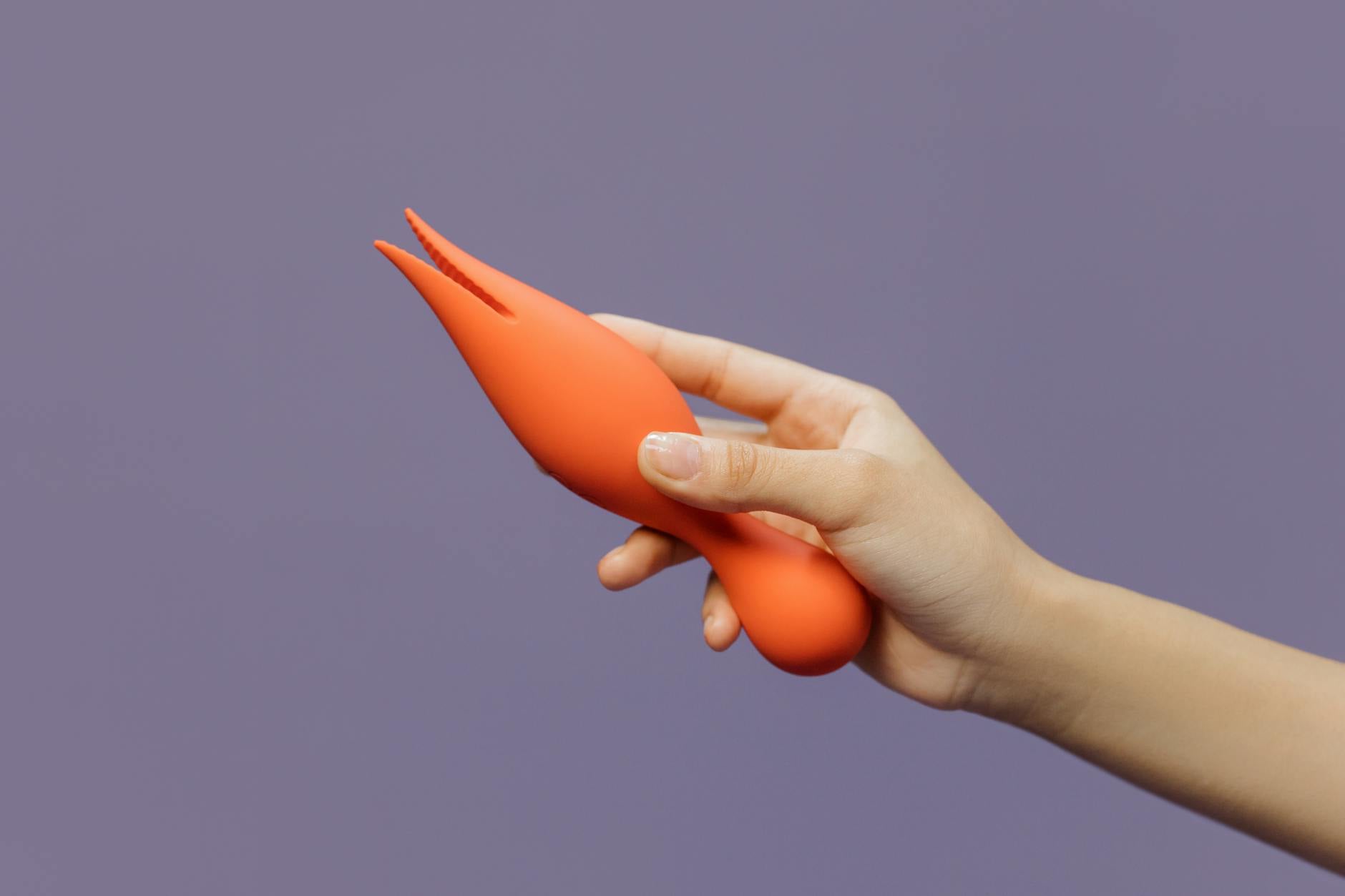
Photo by cottonbro studio on Pexels
When to talk to your doctor
If sensation hasn't budged after six weeks, the numbness is worsening instead of improving, or you're experiencing pain where there was none before, that's a conversation worth having.
Some medications need dose adjustments. Some need to be timed differently (taking them in the evening instead of morning, for example, sometimes changes the window of maximum effect). A few need to be switched entirely. Your doctor can help figure out which.
Bring this up matter-of-factly: "I've noticed sexual sensation is delayed or muted during this transition. Can we talk about timing or dosing options?" They've heard it before, even if it doesn't feel common.
Expect sensation to feel slightly different when it returns
Here's the thing nobody mentions: your sensation might not return as exactly the same as it was before. It might feel subtly sharper, or slightly less intense, or concentrated in a different spot. That's okay. Your nervous system is recalibrating, and the way sensation lands might shift a little.
You might find that your lemon vibrator feels even better post-transition because you've spent time re-learning your own body during the numbness. You're attuned to micro-sensations now. That's genuinely valuable.
If the new version of sensation feels genuinely wrong (much duller, or painful instead of pleasurable), bring that to your doctor too. But if it's just different, that's your new baseline. It usually settles within another week or two.
Keep the lemon vibrator around for the next transition
If you're on a medication you'll be taking long-term, there's a good chance you might adjust the dose in the future, or switch to something else down the line. When that happens, you already know the playbook. Start early. Use low intensities. Don't chase sensation. Let your nervous system recalibrate.
The lemon vibrator becomes part of your transition toolkit, the same way you might take vitamins or prioritize sleep when you're making a medication change. It's not a hack. It's maintenance.
Your pleasure matters, especially during the moments when your body is struggling to recalibrate. A clitoral vibrator is a practical, evidence-based tool for staying connected to that pleasure while chemistry catches up.
Frequently Asked Questions
How soon after starting a new medication can I use a lemon vibrator?
Wait until about day 5-7, when the acute adjustment symptoms have calmed down but you're still in the numb phase. Using it immediately might feel discouraging because sensation will still be very muted. Waiting too long (past week 3) means your nervous system has already started reinforcing the "pleasure is unavailable" narrative. The sweet spot is early into the adjustment, but after the worst is past.
Will using a vibrator speed up sensation returning?
No. The medication needs time to reach steady state in your bloodstream. What a lemon vibrator does is keep your nervous system engaged and prevent the psychological layer of disconnection that makes numbness feel worse than it is. Think of it as preventing additional damage, not accelerating recovery.
Does the intensity of the vibrator matter if I'm already numb?
Yes, but counterintuitively. Lower intensity is often more effective during numbness because you're not fighting friction and discomfort while your sensation is already dampened. A lemon clitoral vibrator at setting 2 might feel more interesting than setting 5 because it's not aggressively stimulating tissue that's already overstressed from the medication transition.
What if sensation doesn't return after six weeks?
Talk to your doctor about dose timing or dosage adjustment. Some people find that taking their medication at a different time of day changes when the numbness peaks and when sensation returns. Others need a slightly lower dose. A very few need to switch medications entirely. Six weeks is a reasonable window to wait before making that call, but you don't have to sit in silence about it.
Can I have sex with a partner while sensation is muted?
You can if you want to. You don't have to. If you do, know that the numbness might make it harder to climax, and that's not a reflection on your partner or your desire. Water-based lubricant becomes even more important. Communication is everything. Your partner should understand this is temporary and isn't about them.
Is this the same as numbness from antidepressants that stays permanent?
No. Medication transition numbness is usually temporary and resolves within 2-6 weeks as your body adjusts to the new dose or compound. Some medications (like certain SSRIs) can create persistent sensation dampening that doesn't fully resolve. If you're switching because your current medication permanently numbs you, talk to your doctor before starting the new one about whether the new option is likely to have the same side effect. You have choices.
You're not broken, just in between
Medication transitions are biochemical events that happen to your whole body, including your sexuality. Numbness during that transition doesn't mean you're lost it permanently, and it doesn't mean the medication is wrong. It means you're in a recalibration phase, and with a little patience and the right tools, your pleasure will return.
A lemon vibrator is one of those tools. It keeps you anchored to sensation while your nervous system recalibrates. Use it consistently, set a low bar, and trust the timeline. Most people regain full sensation within 2-4 weeks. You likely will too.
If something feels off beyond that window, reach out to your doctor or consider connecting with a therapist who specializes in medication side effects. You deserve pleasure that feels easy again. It usually does, given time.