When pleasure cracks open again
Let's be real. Depression flattens everything. Your body, your thoughts, your interest in the things that used to feel good. That flatness is the illness talking, not you. And when it starts to lift—whether that's from medication adjustments, therapy, time, or a combination of all three—pleasure often comes back gradually. Sometimes it floods back. Often it feels tentative, unfamiliar, almost like meeting your own body for the first time.
That's not broken. That's exactly what healing looks like.
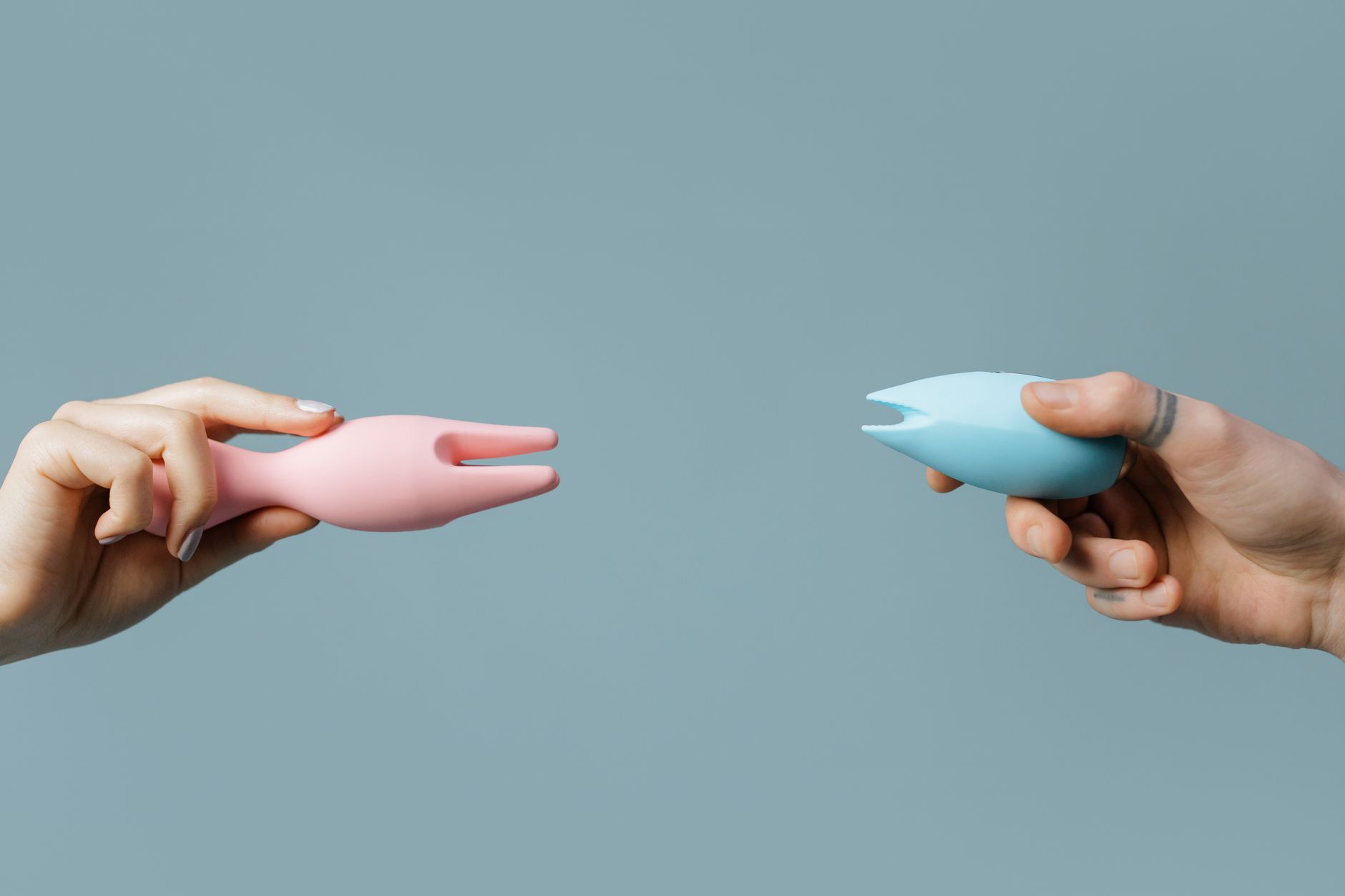
The tricky part: depression and many of the medications used to treat it can numb sensation. When sensation starts returning, the nerve pathways need gentle reintroduction. You're not starting from zero, but you're not picking up where you left off either. This is where a tool like the Lem clitoral vibrator becomes genuinely useful—not as a quick fix, but as a precision instrument for rebuilding that connection.
Understanding what depression did to your nervous system
Depression isn't sadness. It's a full-system shutdown. On a neurological level, depression dampens dopamine and serotonin, which means reward circuits literally underperform. Your body still has the capacity for pleasure. The neurotransmitters responsible for recognizing pleasure are just offline. SSRIs and other antidepressants help restore that balance, but the rebalancing takes time. Some people report pleasure returning quickly once the right dose clicks. Others find sensation comes back in waves, or unevenly (genital sensation returns before general arousal, or vice versa).
That variance is normal. Your nervous system isn't being difficult. It's reorganizing.
One more thing: depression often creates a secondary layer of avoidance. You avoid situations that ask for pleasure because you're convinced you can't feel it. That avoidance becomes its own feedback loop. Breaking that loop—gently—is part of the healing work.
Starting small with the Lem clitoral vibrator
When desire is returning after a long depressive episode, the instinct is often to "make up for lost time." Resist that. Your nervous system needs pacing.
Here's how I'd suggest beginning with the Lem or similar lemon clitoral vibrator:
Week 1: Exploration, not performance. Use the Lem on its lowest settings (pattern 1–2) for 5–10 minutes in a completely pressure-free context. No goal of orgasm. No partner watching. No expectation other than noticing what you feel. This is data-gathering, not pleasure-chasing.
Week 2: Extend the time. Move to 10–15 minute sessions. You might stick with pattern 1, or try pattern 3. The goal is still sensation awareness, not climax. Many people find that after a depressive period, the body needs permission to feel small things before it can feel big ones.
Week 3: Play with rhythm. Now experiment with switching between patterns mid-session. This trains your nervous system to recognize different types of stimulation. The Lem's suction patterns are particularly useful here because they feel gentler than direct vibration, which many people find less overwhelming when reintroducing sensation.
Week 4 onward: Listen to your body. By now you'll know what rhythm works for you. Some people find they need 20 minutes to build arousal. Others need 5. The variance is fine.
The communication piece (if you have a partner)
This is crucial and often skipped. If you're partnered, your person needs to understand what's happening in your nervous system. Depression wasn't your fault. The flatness wasn't laziness. And your pleasure returning isn't a performance obligation for them.
I recommend this conversation happens outside the bedroom, ideally without pressure. Something like: "I'm noticing desire is starting to come back. I want to explore that slowly. This might look different from before, and I need to move at my own pace. That's not about you. It's about my nervous system finding its way back."
If your partner is frustrated by a slower rebuild, that's information about your relationship, not information about you. Pleasure shared under pressure isn't pleasure. It's compliance.
For solo exploration, the barrier is usually internalized shame or disbelief that sensation will return at all. Write that down if you need to. "I deserve to feel good." Not eventually. Now. Even if it takes time to get there.
Why lemon vibrators specifically help here
The Lem clitoral vibrator and similar lemon adult toys use suction-based stimulation rather than traditional vibration. That matters when you're rebuilding sensation because suction feels different—it's more diffuse, less jarring to a nervous system that's been numbed. It also allows for longer use without overstimulation, which is important when pleasure is fragile.
Other clitoral vibrators can work fine too. The key is picking one with variable intensity (so you're not locked into one overwhelming pattern) and a design you actually want to use. If your toy is aesthetic or fun to hold, you're more likely to use it. That consistency matters more than the specific brand.
Expect setbacks and know that's normal
Some days your nervous system will cooperate. Other days, you'll use the Lem clitoral vibrator and feel almost nothing. That's not failure. That's depression, or stress, or a medication adjustment, or just a day when your body isn't available. Pressing through that discomfort teaches your nervous system that pleasure is forced. Accepting the flatness on those days teaches it that pleasure is allowed, sometimes, when conditions are right.
If numbness persists for weeks despite medication adjustments, talk to your prescriber. Sometimes a dose tweak or a different medication helps. Sometimes the dose is fine and you just need more time. Both are okay.
What to watch for
If sensation is returning but arousal still feels painful, distant, or accompanied by guilt or shame, therapy—especially somatic therapy—can be enormously helpful. Depression often arrives with a guilt story attached. "I'm broken." "I'm letting my partner down." "I should be further along." Those stories are part of the depression, not truth.
If arousal is returning but orgasm feels impossible even with stimulation, that's also common and usually resolves with time. Orgasm lives higher up the arousal pyramid than sensation or pleasure. It often comes back last. Patience helps more than effort.
The rhythm of rebuilding
Here's what I've observed after years of working with people returning to pleasure after depression: it's not linear, but it's predictable. Sensation returns first. Arousal follows. Desire (the thought-based interest in sex, not just the physical response) takes longest. If you're expecting all three to return at once, you'll feel confused. If you know sensation and arousal might come back before desire clicks in, you can celebrate the small things without demanding the full picture immediately.
Your body isn't behind schedule. It's healing.
People also ask
How long does it usually take for sensation to return after long-term depression?
There's no universal timeline. For some people, sensation shifts within weeks of starting medication or therapy. For others, it's months. The brain is highly individual, and depression intensity varies wildly. What matters more than speed is consistency—using your lemon clitoral vibrator regularly, even when you feel nothing, tells your nervous system that touch and pleasure are safe again. That consistency builds the neural pathways faster than sporadic, high-pressure attempts.
Can I still use lemon vibrators if I'm on antidepressants that affect sensation?
Absolutely. In fact, many people find that using sensation-based tools like the Lem vibrator while on SSRIs or other antidepressants helps retrain the body's responsiveness. The key is having realistic expectations. Numbness is part of some antidepressants' side effects profile, and that might not change even with medication adjustments. If it's severe enough to affect your quality of life, talk to your prescriber about switching medications or adding an augmentation. But gentle, regular use of a clitoral vibrator can help maintain neural pathways and build anticipation, even when full sensation hasn't returned yet.
Is it normal for pleasure to feel different or less intense than before my depression?
Completely normal. Your brain has reorganized itself during the depressive period. Pleasure circuits work differently now, sometimes permanently in small ways. That doesn't mean pleasure is worse. It often means pleasure is different—sometimes deeper, sometimes more localized, sometimes slower to build but more sustained. Give yourself permission for this to be a different kind of good, not a lesser version of what it used to be. Many people find post-depression pleasure actually feels more intentional because they've had to rebuild it.
What if my partner wants intimacy but I'm still rebuilding sensation?
This is when clarity and kindness matter most. You can have physical closeness without the expectation of conventional sex or orgasm. You can use the Lem clitoral vibrator with a partner present, or you can establish time for solo exploration while your partner does something else. Partnered sexuality doesn't have to look like it used to. Setting a boundary now ("I need solo time to rebuild this") often leads to better partnered sex later than trying to force it before you're ready.
Can depression return and flatten sensation again?
Yes. Depression can relapse, and if it does, sensation often dulls alongside it. That's not cause for shame. It's cause for reaching out to your mental health provider. Relapse is part of the recovery process for some people, not a sign that you've failed or that pleasure is permanently off the table.
How do I know if numbness is depression or medication side effects?
That conversation is between you and your prescriber, not something to diagnose yourself. But here's a useful question to ask them: "If I'm on an SSRI and pleasure feels numb, how do we figure out if that's the depression still present, the medication, or both?" There are ways to test this, like temporary dose adjustments or medication switches, but it requires professional guidance. Don't just assume sensation will never return. Sometimes it's a matter of finding the right support setup.
Your nervous system is learning to be alive again
When you use a lemon clitoral vibrator or any pleasure tool after a long depression, you're not just chasing sensation. You're telling your nervous system that it's safe to feel good. You're rebuilding proof that your body can respond, that desire is possible, that you deserve pleasure without having to earn it first.
That rebuilding is the real work. Some days you'll feel it. Other days you won't. Both days matter. Both are part of healing. If you want to explore this further or need support navigating pleasure after depression in a partnered context, reach out at /contact.
Your pleasure matters. Your timeline matters. You're not behind.