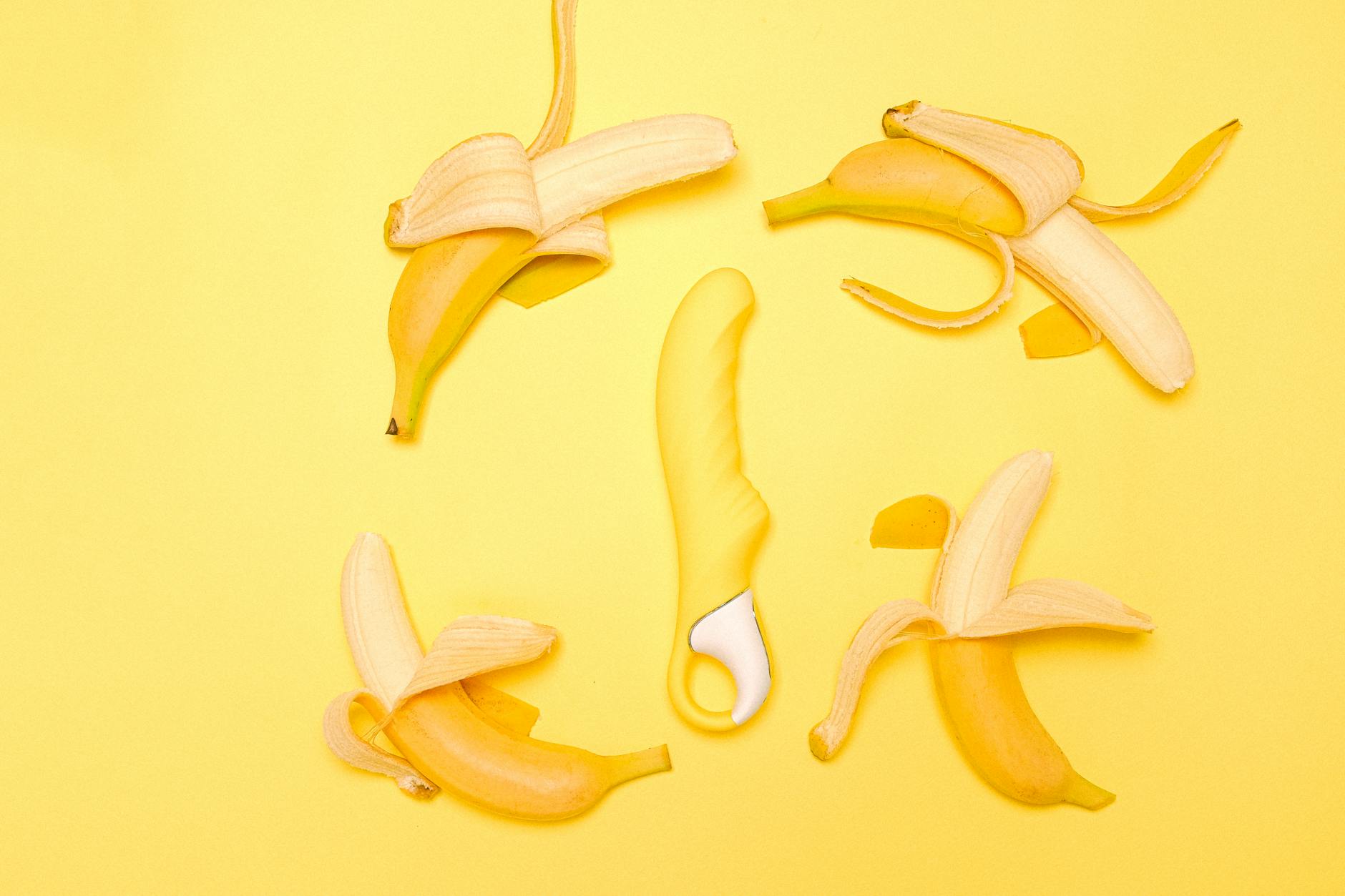
Let's talk about what's actually happening
Your orgasm feels muted. Not gone, but quieter. Like someone turned down the volume dial halfway through, or the wave crests but doesn't crest the way it used to. If you're wondering whether this is normal, the answer is yes. If you're wondering whether it's permanent, the answer is also no.
Orgasms don't vanish with age, stress, medication, or relationship shifts. They transform. And understanding what's shifted is the first step to bringing back intensity.
Why orgasms change texture (the neurology you weren't taught)
Here's what nobody explains clearly: an orgasm is not one thing. It's three overlapping systems firing at once. Your nervous system coordinates the physical response (pelvic floor contractions). Your vascular system manages blood flow to genital tissue. Your brain releases the neurochemical mix that creates the sensation of pleasure and release.
When one of those systems lags, the whole experience feels diluted.
Stress is a master dimmer switch. When your nervous system is stuck in fight-or-flight mode, your body literally deprioritizes orgasm. Cortisol suppresses the chemicals that create pleasure sensation. Your pelvic floor tenses instead of relaxing, which blocks the rhythmic contractions that define orgasm. You can have a climax and feel almost nothing.
Age shifts the vascular piece. After 40, blood flow to genital tissue typically slows by about 20 percent. Thinner vaginal tissue (from dropping estrogen) means less sensitivity. The pelvic floor muscles naturally weaken if they're not regularly engaged. Any one of those changes softens orgasm. All three together can make it feel like you're watching your own climax from inside an aquarium.
Medication is another culprit. Antidepressants, antihistamines, blood pressure meds, and even some birth controls can dampen the dopamine and serotonin spikes that peak during orgasm. You're not broken. Your chemistry got rerouted.
The sensory adaptation trap
Here's something weirder: sometimes weakened orgasms are actually habit talking. If you've been using the same stimulation pattern, same speed, same rhythm for years, your nervous system gets numb to it. This is called sensory adaptation. Your brain essentially says "we've seen this show before" and cranks down the novelty signal that makes sensation feel intense.
This is actually good news. It means variety isn't just fun. It's neurologically necessary for intensity.
What actually brings intensity back
Strategy One: Reset your pelvic floor.
Weak orgasms often mean your pelvic floor isn't contracting cleanly. The muscles are either too tight (clenched) or too loose (underactive). A lemon vibrator like the Lem works brilliantly here because the suction-based stimulation doesn't require you to squeeze. Instead, you learn to relax fully, let the suction do the work, and feel your muscles respond naturally.
Spend two weeks using a lemon clitoral vibrator purely for exploration, not orgasm. Start at the lowest intensity (1 or 2 on the Lem). Notice where you feel sensation. Notice where you're holding tension. Most of us hold tension in the pelvic floor without knowing it. Just feeling that holding is the first step to releasing it.
Strategy Two: Rebuild vascular capacity.
Blood flow responds to novelty and anticipation. Use your clitoral vibrator in a way that keeps your nervous system alert. Change the pattern every 30 seconds. Move the vibrator around the clitoris instead of holding it still. Build toward intensity in stages instead of going straight to high from zero. Each of these shifts says to your vascular system: "This is new, pay attention."
Strategy Three: Manipulate the arousal timeline.
Weaker orgasms often happen when arousal is rushed. You need more time for blood to pool, tissue to engorge, and your nervous system to climb toward threshold. This is not a weakness. Longer arousal is actually where better orgasms live. Use a lemon vibrator on lower settings for 20 minutes instead of 5 minutes at high intensity. Let sensation build gradually. Your pelvic floor muscles need this ramp to contract fully.
Strategy Four: Separate pleasure from performance.
Honestly, half of what feels like weaker orgasms is actually performance anxiety. You're waiting for the orgasm to feel the way it used to, which means you're partially outside your body, watching yourself, instead of inside the sensation. This automatically dims intensity. The fix is boring: stop measuring. Use your lemon vibrator without expecting anything specific. Notice texture instead of intensity. Let your body surprise you.
Strategy Five: Layer stimulation intelligently.
Orgasms feel more intense when multiple sensory channels fire at once. Clitoral stimulation alone is one channel. Add internal stimulation, nipple play, or a partner's touch and you're suddenly running multiple neural pathways. With a lemon clitoral vibrator, you have your hands free to explore other touch. This is why air-suction toys like the Lem often feel more intense than traditional vibrators. The suction holds itself while you add layers.

Photo by Ron Lach on Pexels
The role of mindset (because your brain is the actual sex organ)
This is the part therapists get right and everyone else ignores. Your orgasm is only as intense as your brain allows. If you're carrying old shame, or comparing yourself to younger versions of yourself, or feeling disconnected from your partner, your neurochemistry shifts. Oxytocin drops. Dopamine flattens. You can have a physiologically perfect orgasm and feel almost nothing because your mind is offline.
Using a lemon vibrator is sometimes most powerful not because of the tool itself, but because it creates permission. It says: "This is for me. This is okay." That mental shift alone can rewire sensation.
If you've been using a lemon vibrator and intensity still isn't returning after three weeks of consistent use, and you're on medication that you suspect is dampening sensation, talk to your prescriber. Sometimes dosage tweaks or timing changes help. Sometimes a different medication works better for your body.
FAQ: Weaker orgasms and how to rebuild sensation
Can weak orgasms mean something is physically wrong?
Sometimes, but rarely as the solo cause. Weak orgasms are usually a symptom of something else: stress, medication side effects, pelvic floor dysfunction, relationship disconnection, or simple aging. The good news is almost all of these are reversible. Start with the simplest explanation: stress or habit. If you cut stress and switch up your routine with a lemon clitoral vibrator and nothing changes in four weeks, then check with a pelvic floor physical therapist or gynecologist. But most of the time? It's one of these five factors.
How long does it take to rebuild orgasm intensity?
It depends on the cause. If it's pure habit and sensory adaptation, you can notice a shift in two to three weeks of using a new tool like a lemon vibrator. If it's stress or medication, rebuild can take six to eight weeks as your nervous system recalibrates. If it's pelvic floor dysfunction, working with a pelvic physical therapist alongside your lemon vibrator can take three months. The timeline matters less than consistency. Use it regularly, not occasionally.
Does switching between different lemon vibrators help?
Absolutely. The Lem and other lemon sexual toys from Lem Hello Nancy use different mechanisms. Suction-based lemon clitoral vibrators stimulate differently than traditional vibration alone. Switching between them every few weeks prevents your nervous system from adapting. Your brain stays alert. Sensation stays fresh.
Is weaker orgasm a sign I need to end my relationship?
No. In fact, it's usually a sign your relationship needs attention, not that the relationship is broken. Many couples interpret weaker orgasms as "we're not attracted anymore," which spirals into relationship doubt. The actual cause is often disconnection that started elsewhere. You stopped having vulnerable conversations. You're both stressed about money. Someone's doing all the emotional labor. Those things absolutely flatten sensation. Fix the connection, and orgasms often come back naturally. A lemon vibrator can be part of that reconnection, especially if your partner is willing to explore together.
Does age mean orgasms will keep getting weaker?
Not if you stay active with sensation. People who regularly use clitoral vibrators, maintain pelvic floor strength, manage stress, and stay connected to their bodies often report orgasms at 50, 60, and beyond that rival or exceed their 30s. The key is consistency. Disuse weakens sensation. Use strengthens it. A lemon clitoral vibrator makes that use pleasurable.
Can weak orgasms come back even after years of being muted?
Yes. The neural pathways for pleasure don't disappear. They just go quiet. Reactivation takes time and attention, but it works. Some of my clients have rebuilt sensation after five, ten, even fifteen years of muted climax. The mechanism is always the same: remove the blocks (stress, disconnection, pelvic tension), introduce novelty, and give your nervous system weeks to recalibrate. A lemon vibrator is a very effective tool for this work.
The real reason intensity matters
Honestly, weak orgasms aren't really about the orgasm itself. They're about feeling alive in your body. An intense orgasm is proof that pleasure exists, that your body works, that you matter enough to prioritize this. When orgasms fade, people often interpret it as "my body is failing me." But your body isn't failing. It's asking you to pay attention differently.
Using a lemon clitoral vibrator with intention, with curiosity instead of performance pressure, is how you rebuild that attention. Not because the toy is magic. Because the act of exploring your own pleasure is an act of trust in yourself.
Start small. Use a lower intensity setting on your lemon vibrator than you think you need. Build slowly. Let sensation surprise you. Most people find that intensity returns not with more force, but with more presence.
If you want to explore how to reconnect with pleasure in your relationship alongside this solo work, reach out. We can walk through it together.