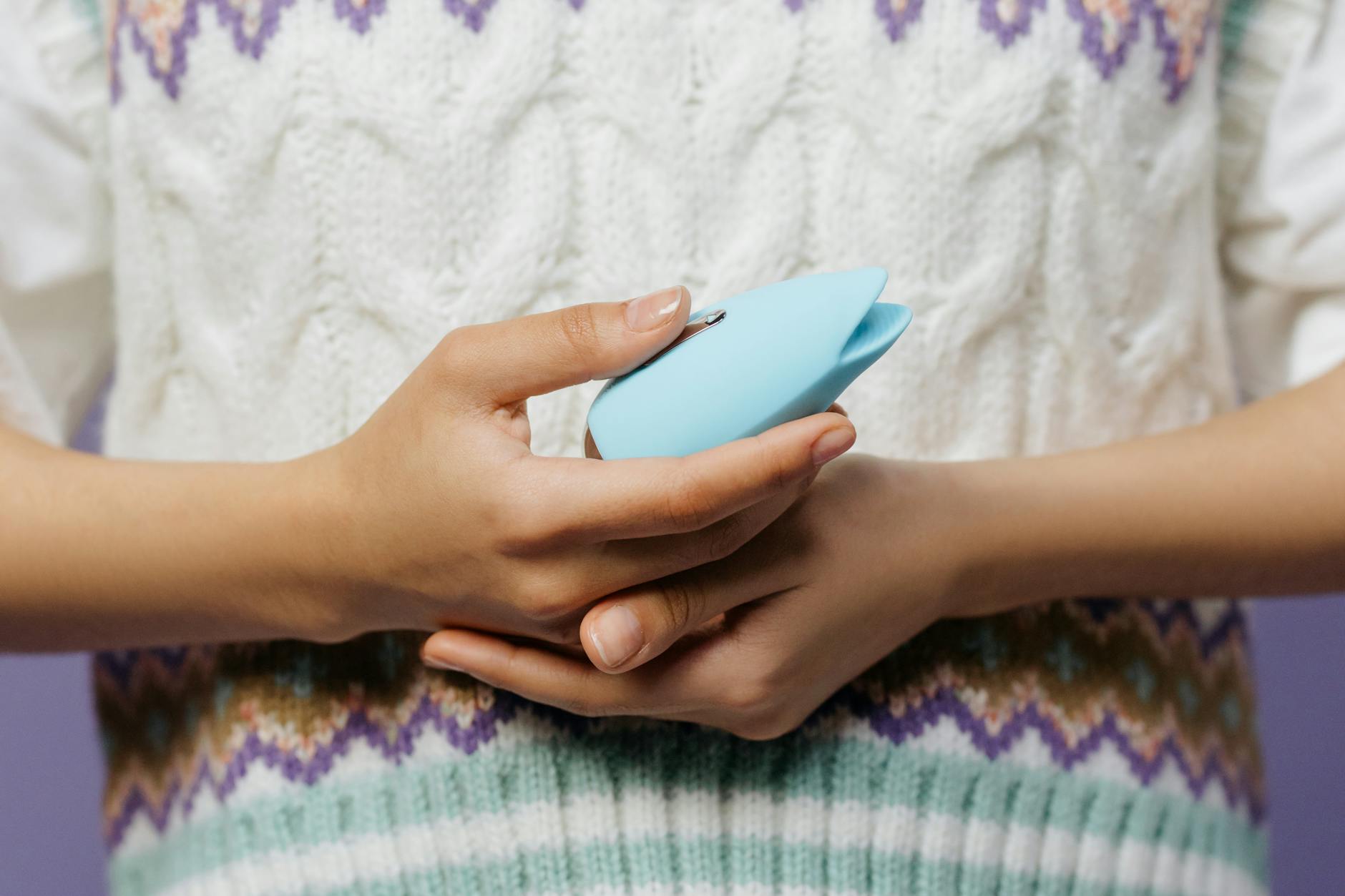
Here's what nobody tells you about antihistamines and pleasure
Antihistamines work by blocking histamine receptors in your body. Histamine is involved in a lot of things: inflammation, immune response, stomach acid. But histamine also plays a surprising role in sexual response. It's part of the cascade that triggers arousal, increases blood flow to sensitive tissues, and amplifies nerve sensation. When you take antihistamines to manage allergies, asthma, or hives, you're inadvertently muting the very neurochemistry that makes pleasure feel sharp and present.
This isn't your imagination. It's real, it's documented in clinical literature, and it's solvable.
Why antihistamines specifically dull sensation
Histamine doesn't just cause itching and inflammation. In your nervous system, it acts as a neurotransmitter that heightens sensitivity and arousal. Antihistamines cross the blood-brain barrier and suppress histamine signaling throughout your central nervous system. The result: softer sensations, slower arousal buildup, and a general sense of being one step removed from your own body during sex.
First-generation antihistamines like diphenhydramine (Benadryl) cause this effect more dramatically than second-generation ones like cetirizine (Zyrtec) or fexofenadine (Allegra), but all of them have some impact. For people relying on antihistamines year-round, the cumulative effect on sexual sensation is significant.
The other layer: many antihistamines cause drowsiness and fatigue, which tanks motivation and mental arousal. Pleasure requires both physical sensation and mental presence. When you're fighting drowsiness, neither shows up fully.
The timing conversation with your doctor
Before we talk about tools, let's talk about logistics. Some antihistamines hit peak effectiveness at different times, and some linger longer than others. If you take a morning dose, by evening the blood concentration might be lower. If you take an evening dose specifically for bedtime, the next morning might give you slightly better sensation clarity.
Honestly though, this is a conversation worth having with your GP or allergist. Not because they need to shame you about sex (they won't), but because they may have options you haven't considered: different medication types, lower doses on specific days, or timing adjustments that won't compromise allergy control but might free up a window of better sensation.
Some people find that second-generation antihistamines, which cross the blood-brain barrier less readily, impact sensation less severely than first-generation ones. That swap alone sometimes makes a difference.
Why lemon vibrators work particularly well here
Standard vibrators rely on you feeling the vibration clearly. If sensation is muted, a regular vibrator might feel like a gentle buzz and nothing more. Lemon vibrators and air-suction devices work differently. They create a suction and release pattern that stimulates not just the surface of your clitoris but the nerve clusters deeper in the tissue. This dual-layer approach means even when surface sensation is dampened by medication, you still get significant stimulation from the deeper tissue engagement.
The suction action also increases blood flow locally to the area, which partially counteracts the dampening effect of antihistamines. You're essentially forcing more oxygen and circulation to the tissue, which wakes up sensitivity even when histamine signaling is suppressed.
With a lemon clitoral vibrator specifically, you're getting rhythmic suction that doesn't depend on you feeling a traditional vibration. The sensation is more about pressure and release. That's a different neural pathway, and often it's the one antihistamines affect less.
Practical adjustments that actually work
If you're serious about reclaiming sensation while staying on your medication, here are the moves that help:
Start with warmth. A warm shower or bath 20 minutes before sex increases blood flow throughout your pelvic region. This partially compensates for the vaso-constriction that antihistamines can cause. Warmth won't override the medication, but it helps nudge your body in the direction of arousal.
Budget double the warm-up time you normally would. If you usually take 10 minutes to build arousal, plan for 20. Antihistamines slow arousal buildup. Rushing it won't work. Patience will.
Use a lemon vibrator at pattern 2 or 3 initially, even if you usually prefer higher intensities. Let your body register the sensation first. You can always increase intensity after 2-3 minutes. The point is meeting your body where it is right now, not where it is when you're not medicated.
Consider layering. If you use a lemon clitoral vibrator, combine it with manual stimulation on other erogenous zones. Hand on your breast, partner's hand or mouth elsewhere, your own hand on your inner thigh. Antihistamines dull sensation generally, so distributed stimulation across multiple areas can create enough cumulative signal that pleasure registers clearly.
The mental arousal piece (which is half the battle)
Pleasure is not just physical. Antihistamines don't just dull sensation, they often dull mood and mental sharpness, which tanks arousal desire. You might not feel like having sex because you feel a bit foggy or flat.
This is worth naming: it's not that your body can't feel pleasure. It's that the combination of physical numbness and mental flatness makes it hard to access pleasure motivation. The fix isn't forcing yourself. It's building a clearer bridge between intention and sensation.
Try this: before using any vibrator, spend five minutes on mental arousal. Read something that turns you on. Look at images that get you going. Chat dirty with a partner if you have one. Fantasize. The goal is to get your brain in the game before your body shows up. When your brain is activated, it can compensate somewhat for dampened physical sensation.
When to consider a timing shift
If your antihistamine routine is non-negotiable (and for many people, it is), you still have timing leverage. Most antihistamines take 30-60 minutes to reach peak blood concentration. They also have different half-lives depending on type. A second-generation antihistamine like cetirizine typically peaks in an hour and drops steadily after that.
If you can take your antihistamine dose earlier in the day, you might create a window in the evening when the blood concentration is lower but the allergy control is still adequate. Some people find that taking their dose after sex, rather than before, minimizes the impact without compromising allergy relief.
This is individual. Talk to your doctor about whether timing adjustments make sense for your specific medication and condition.
The lubricant question
Antihistamines often cause dryness as a side effect, independent of sexual response. This compounds the sensation issue because dryness reduces friction and feedback. A good water-based lubricant isn't optional here, it's essential. It should feel generous and slick enough that you're not adding friction stress on top of medication-induced numbness.
Reapply it often. Antihistamines can reduce natural lubrication, so commercial lube will dry faster than it normally would. Reapply every 3-5 minutes if needed.
FAQ: Antihistamines, Sensation, and Lemon Vibrators
Does stopping antihistamines for one day improve sexual sensation?
Yes, temporarily. However, depending on your condition, stopping medication isn't safe or advisable. If you have severe allergies or asthma, skipping a dose could trigger a reaction that's far worse than muted sensation. A conversation with your doctor about lower-dose options or alternative medications is smarter than DIY stopping and starting. Some people find that taking a lower dose on specific days, if medically appropriate, gives them a sensation window without compromising health.
Are second-generation antihistamines really better for sensation than first-generation ones?
Generally, yes. Second-generation antihistamines like cetirizine, fexofenadine, and loratadine cross the blood-brain barrier less readily, so they impact central nervous system histamine less severely. They still have some effect on sensation, but it's often milder than first-generation antihistamines like diphenhydramine. If you're currently on a first-generation antihistamine and sensation loss is significant, ask your doctor whether switching is an option for your condition.
Can you use antihistamines and lemon vibrators together without problems?
Absolutely. A lemon clitoral vibrator is designed to work with various bodies and situations. The suction-based stimulation is actually well-suited to bodies where traditional vibration sensation is dampened. There's no contraindication between antihistamine use and using a lemon vibrator. The vibrator might actually help you access sensation that antihistamines have muted.
Does arousal eventually overcome antihistamine dampening?
Partially. Strong arousal, especially if it's mental and emotional as well as physical, can override some of the dampening. But it won't fully counteract it. A significant portion of the sensation dampening is biochemical and doesn't disappear just because you're deeply aroused. That's why the workarounds we discussed, like warmth, extended warm-up, and a lemon vibrator, matter. You're not fighting your body's response, you're amplifying what's still available.
What if I'm on antihistamines long-term and sensation loss isn't improving?
If you've tried the timing shifts, warm-up strategies, and a lemon vibrator and sensation still feels significantly muted after several weeks, circle back to your doctor. Sometimes a medication switch, a dosage adjustment, or adding a complementary medication can help. It's also worth asking about whether your specific condition requires year-round antihistamines or whether there are seasonal adjustments that could help. Long-term sensation loss from medication is worth medical attention, not just workarounds.
Do lemon vibrators work better than other vibrators when you're on antihistamines?
For most people, yes. Lemon vibrators and air-suction devices create a different type of stimulation than traditional vibrators. They work through pressure and release rather than pure vibration. That mechanism often registers more clearly when sensation is dampened by antihistamines. That said, the most important variable is finding what works for your specific body. Some people still respond well to traditional vibrators even on antihistamines. Experiment, and remember that what works might shift as your medication routine changes.
The bottom line
Antihistamines are necessary for your health. Your allergies, asthma, or hives matter, and managing them matters. But so does your pleasure. The dampening effect isn't permanent, and it's not something you have to accept in silence. Warmth, extended warm-up time, a lemon vibrator designed for suction-based stimulation, and honest conversations with your doctor about timing and alternatives can all help you reclaim sensation.
Your pleasure matters even when you're medicated. Maybe especially then.