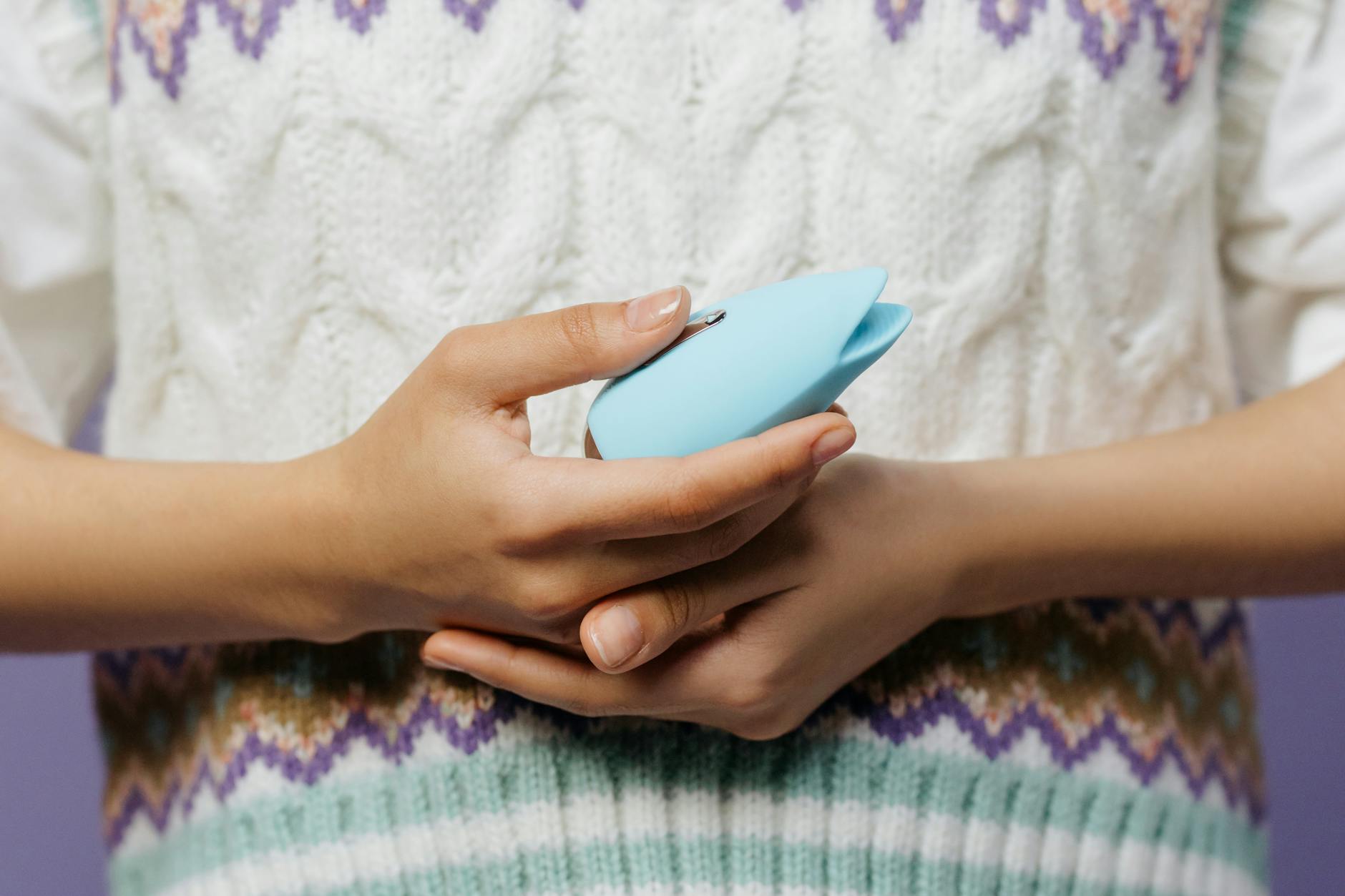
How to use lemon vibrators when healing from vulvodynia
Let's be real. Vulvodynia feels like your body has betrayed you. Pain where pleasure used to live, no clear cause, no simple fix, and a solid year or more of wondering if sex is ever coming back. The worst part isn't the pain itself. It's the psychological weight of it. The worry that sensation is gone for good.
Here's what I tell my clients: vulvodynia is not an ending. It's a recalibration. And a lemon clitoral vibrator can be part of how you rebuild, but only if you approach it carefully.
What vulvodynia actually does to sensation
Vulvodynia is chronic pain in the vulva without a visible cause. It can feel like burning, rawness, soreness, or hypersensitivity. The neurological piece is crucial: pain signals get amplified, and the nervous system gets stuck in a state of protective response. Your body is literally trying to protect you from something it perceives as dangerous.
This changes everything about how pleasure works. Direct touch that used to feel amazing can now feel intolerable. Stimulation intensity that was perfect becomes overwhelming. Your nervous system is in alarm mode.
The good news that nobody tells you enough: this is reversible. Not always fast, not always easy, but reversible. Healing vulvodynia means teaching your nervous system that sensation can be safe again.
Why a lemon vibrator is different for vulvodynia recovery
Most vibrators deliver direct pressure. This can be exactly wrong when your vulva is in pain mode. Air-suction technology like the Lem Hello Nancy approach works differently. Instead of friction or direct vibration, suction gently stimulates nerve endings without the same mechanical pressure that can trigger protective responses.
This matters because you're not trying to force pleasure. You're trying to retrain your nervous system. Suction allows for gentler, more modulated stimulation that doesn't overwhelm already-sensitized tissue.
Starting point: timing and readiness
Don't introduce a lemon vibrator until you've had at least two weeks of reduced pain. This means days where pain is mild or absent, not just "fewer flare-ups." You want your nervous system to have tasted safety before you introduce any new stimulation.
Talk to your pelvic health physical therapist or gynecologist first. Some people need internal pelvic floor work before external stimulation makes sense. Others need topical treatments or nerve blocks. Your nervous system is unique, and so is your recovery timeline.
If your practitioner clears you, start during a time when you're relaxed and pain-free. Not when you're stressed, tired, or expecting it to work. Expectation is the enemy here.
The protocol: how to actually use it
Start with the Lem Hello Nancy on the lowest setting, away from direct vulval contact. Yes, away. Touch the inner thigh, the mons pubis, the labia majora. Let your nervous system remember what gentle stimulation feels like in that region without going straight to the most sensitive area.
Spend 5-10 minutes here. Notice what you feel. Not whether it's pleasant yet. Just what sensations you register. This is a mapping exercise, not a pleasure exercise.
After several sessions of this, move gradually closer. When you do approach the clitoris, use the outer edge of the stimulation, not direct contact. Let suction do the work rather than hunting for pressure.
Many people with vulvodynia find that suction feels safer than direct vibration. It's less jarring to the nervous system. But your experience might be different. Pay attention to what your body is telling you, not what you think it should feel.
What you might feel (and what it means)
Pain isn't necessarily a sign you should stop. Muscle tension during healing sometimes feels like pain. But sharp, burning, or overwhelming sensation is different. That's your nervous system saying "not yet." Pull back. Try again tomorrow or next week.
Pickling or tingling sensations are often good signs. So is warmth. Numbness is normal early on and usually improves with continued gentle exposure.
Many people find that their first orgasm post-vulvodynia feels different. Less intense, more localized, sometimes taking longer to build. This doesn't mean something is wrong. It means your nervous system is healing on its own timeline.
The mental piece (which is just as important as the physical)
Vulvodynia rewires your brain as much as your nervous system. Sex becomes a source of anxiety instead of pleasure. Your partner becomes a source of guilt instead of connection. The shame pile gets real.
When you use a lemon vibrator in the context of healing, you're not trying to get off. You're practicing a different story. The story where your vulva is safe, where stimulation doesn't mean pain, where pleasure is allowed to come back on its own terms.
This is why solitude matters early on. You're not performing for anyone. You're having a private conversation with your own nervous system.
The timeline nobody wants to hear
Vulvodynia healing isn't linear. You'll have good weeks and setback weeks. A flare-up doesn't mean you've lost progress. It means you're human, and your body is still learning.
Most people I work with see meaningful shifts in 3-6 months of consistent, gentle practice. Some faster, some slower. The ones who rush it or use too much intensity often extend their own timelines. The ones who approach it like physical therapy, not performance, tend to recover better.
When to involve your partner (and how)
If you're in a relationship, there's a conversation to have. Not during healing, but before you invite them in. Talk about what you need, what feels safe, what pressure you're under. Many people find that reintroducing partnered sex too quickly undoes months of solitary healing work.
Some couples find that one partner using a lemon vibrator during partnered sex works better than PIV early in recovery. Others need a longer timeline before combined pleasure feels possible. There's no timeline that's "right." There's only your timeline.
When you do bring a partner in, the focus stays on sensation, not orgasm. On connection, not performance.
The role of professional support
A pelvic health physical therapist isn't optional for many people with vulvodynia. Neither is a therapist who understands chronic pain's psychological weight. Neither is a gynecologist who takes vulvodynia seriously instead of dismissing it.
A lemon vibrator is a tool. It's not a replacement for expert care. Use it alongside your treatment plan, not instead of it.
When to reconsider your approach
If pain is increasing, not decreasing, over 2-3 months of gentle use, something needs to change. Maybe it's too early. Maybe you need different professional support. Maybe you need a different approach entirely.
Vulvodynia recovery sometimes needs medication, sometimes needs injections, sometimes needs different therapy. A vibrator isn't the answer for everyone. But for many people, it's part of the answer.
The part that matters most
Vulvodynia is isolating. It's medical, it's sexual, it's psychological, and it's lonely. You might feel like you're the only person going through this. You're not. Thousands of people are healing right now using tools, patience, and professional support.
Your pleasure is worth protecting. And protecting it sometimes means slowing down, being gentle, and trusting that sensation can come back.
People also ask
How long after vulvodynia diagnosis can I use a lemon vibrator?
Wait until you've had consistent pain reduction and professional clearance, typically 2-4 weeks after starting treatment. Every case is different, and rushing it can extend your healing timeline. Your pelvic health therapist is your best guide on timing.
Can a lemon clitoral vibrator cause a vulvodynia flare-up?
It can if you use too much intensity too soon. That's why starting on the lowest setting away from direct contact matters. If you're experiencing increased pain, you're likely pushing too hard. Back off and give your nervous system more time.
Should I use a lemon vibrator with a partner during vulvodynia recovery?
Most healing happens in solitude first. Once you've rebuilt some sense of safety solo, you can explore partnered use carefully. But many people find that introducing a partner too early undoes months of nervous system retraining. Go slow.
Does vulvodynia pain ever fully go away?
For most people, yes. Recovery looks different for everyone. Some people have zero symptoms after treatment. Others have occasional flares that they manage. The majority report significant improvement within 6-12 months with proper care.
Can I still have an orgasm with vulvodynia?
Yes, though it might feel different during healing. Some people find orgasm easier after recovery because they've relearned what safety feels like. Others take longer to rebuild sensation. Your experience is valid no matter what it looks like.
What if lemon vibrators don't help my vulvodynia?
Vibrators are one tool among many. Some people heal better with physical therapy alone. Others need medication, injections, or therapy. If a vibrator isn't working after 2-3 months of consistent use, talk to your healthcare provider about other options. There's no shame in trying a different approach.
The bottom line
Vulvodynia makes pleasure feel impossible. For a while, it actually might be. But healing is possible. It requires patience, professional support, and sometimes tools that work with your nervous system instead of against it. A lemon vibrator can be part of that healing, but only as one piece of a larger recovery plan.
Your pleasure matters. Your body matters. Your timeline matters. Trust them.
If you're navigating vulvodynia or any other challenge to your pleasure and relationship, we're here to help. Reach out to us for a conversation about what healing looks like for you.