Let's be real about new-partner anxiety
You've just started something with someone. The chemistry feels good. But when things get intimate, something shifts. You're in your head. Your body doesn't respond the way it normally does. You wonder if they're disappointed, which makes you more tense, which makes sensation fade even further. It's a loop, and it's exhausting.
This isn't about them. It's about the vulnerability gap between how you felt with your last partner and how exposed you feel right now. Your nervous system is running a safety check, and pleasure is one of the first things to go quiet when you're not sure you're safe.
The good news: disconnection isn't permanent, and it's not a reflection of whether this relationship is right. It's actually a predictable pattern that relationship therapists see all the time, and it has concrete solutions.
Why new partners trigger the disconnect
When you've been with someone for years, your body learns their patterns. You know what's coming. Your nervous system relaxes. But with someone new, every touch is unfamiliar. Your brain is constantly assessing: Are they safe? Do they respect my boundaries? What if I come too fast? What if I don't come at all? What if they think I'm weird for wanting what I want?
This hypervigilance kills sensation. Your parasympathetic nervous system, the one that powers arousal and pleasure, needs safety to switch on. Right now, you're probably stuck in sympathetic mode. Fight-or-flight. That's not a character flaw. That's your body being cautious.
Here's what's also true: people with a history of pleasure know it's possible. You're not learning desire from scratch. You're just reestablishing it in a new context. That's actually much simpler than starting from zero.
The role of lemon vibrators in rebuilding confidence
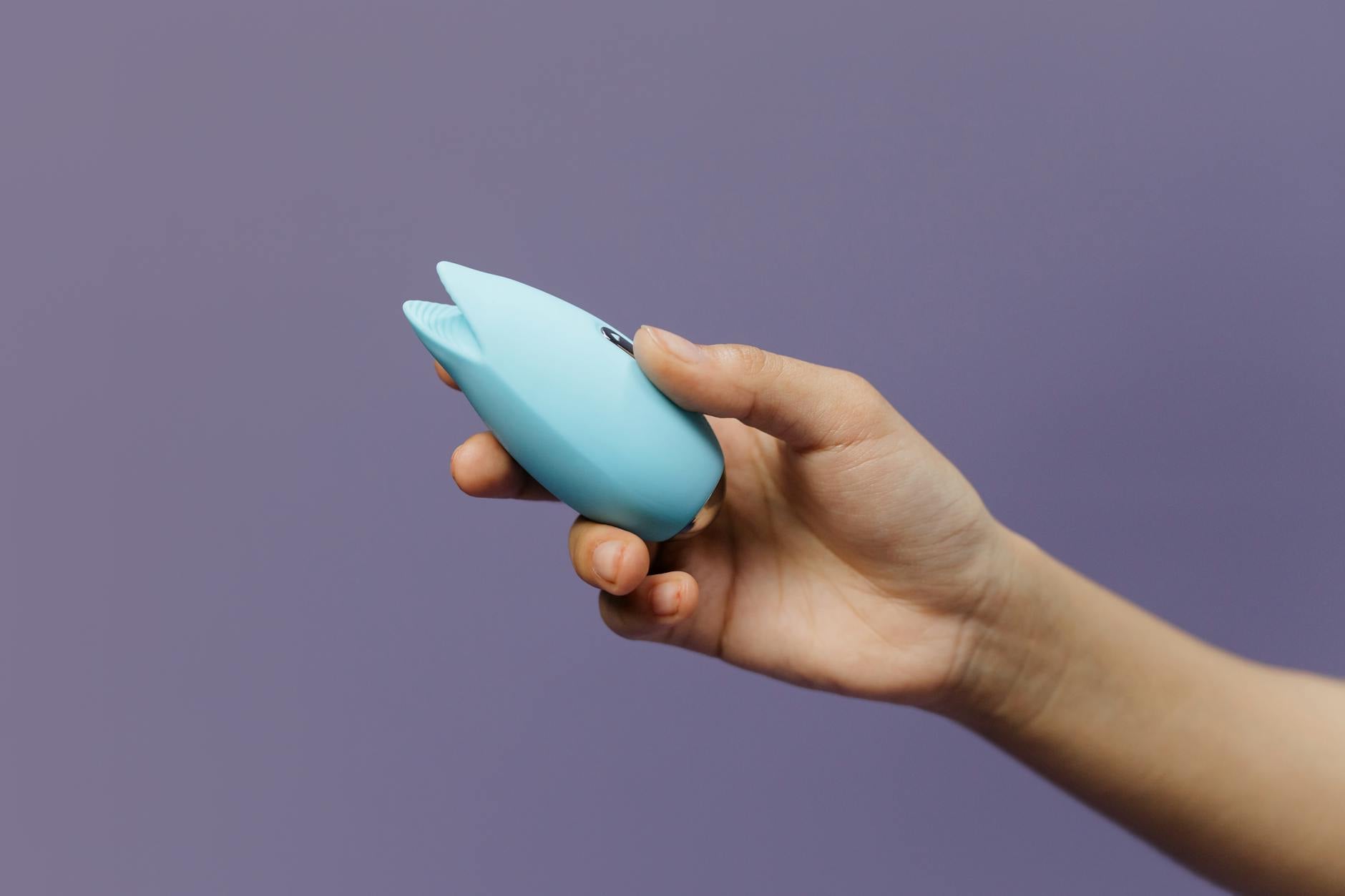
Lemon vibrators, specifically air-suction devices like the Lem, are useful here because they shift the conversation away from partnered performance and back toward your own nervous system. When you use a lemon clitoral vibrator solo, you're not managing someone else's experience. You're not worrying about timing or whether they're enjoying it. You're just paying attention to what your body actually wants.
That matters more than you'd think. Many people, especially early in new relationships, lose touch with their own pleasure cues because they're so focused on being a good partner. Using lemon sexual toys on your own first lets you practice being selfish about sensation again. It reminds your nervous system what genuine arousal feels like when there's zero pressure.
The lem vibrator offers something else too: consistency. The suction pattern doesn't change based on your partner's mood or energy. It's reliable, which helps rebuild trust in your own body's response.
How to integrate solo play without shame
First, separate the two experiences in your mind. Using a lemon adult toy alone is not a referendum on whether your partner is enough. It's actually the opposite. It's you taking responsibility for your own pleasure, which means you show up to partnered sex as someone who knows what they want.
Practice once or twice a week solo. Find 15-20 minutes when you're alone, not rushed, and genuinely curious rather than goal-focused. The goal is not to come. The goal is to notice sensation. Where does your body feel most responsive? What speed or pattern on your Lem vibrator gets your attention? What does arousal feel like now, in this chapter of your life, with a new person waiting in the wings?
Then, write down three specific things you noticed. Not fantasies, not judgments. Just data. "Pattern 3 on the Lem feels good for the first few minutes, then I want to slow down." "I need longer warm-up time than I used to." "I feel most present when I focus on how the suction feels, not on whether I'll come." This becomes your map.
Having the conversation with your new partner
Here's where many people get stuck. They think that saying "I'd like to use a vibrator" is admitting they're broken or that the partner isn't enough. That's nonsense, but it's a powerful emotional belief, so let's address it directly.
The conversation is not about the vibrator. It's about pleasure. It sounds like: "I really enjoy sex with you. I also want to rebuild my confidence around my own body because this is still new, and I get in my head. Using a vibrator solo helps me feel more grounded. It's not about you. It's actually for you, because I show up more present when I'm not anxious."
Most partners respond well to that because it frames the vibrator as a tool for connection, not a replacement for it. You're not saying "I need this instead of you." You're saying "I need this so I can actually enjoy you."
If they push back, that's information. It might not be a dealbreaker, but it's worth exploring. <a href="/blog/how-to-use-lemon-vibrators-when-you-feel-pressure-to-perform-with-a-new-partner">A partner who makes your pleasure conditional on meeting their needs is showing you something important about how they'll handle other vulnerabilities down the line.</a>
Rebuilding sensation gradually
Once you've reestablished trust in your solo pleasure, you can bring that confidence into partnered sex. But don't jump straight to using the Lem together. That's asking a lot.
Instead, start by just talking about sensation during sex. "Slower here." "More pressure there." "I like when you do that." The vibrator comes later, once you're both comfortable with the idea that your pleasure is something you actively manage together, not something that just happens to you.
When you do introduce a lemon clitoral vibrator into partnered sex, position yourself so you can control it. This is important. If your partner holds it, they have power over your sensation, which reintroduces the performance anxiety. If you hold it, you stay grounded. You're saying "This is my pleasure. You're a welcome addition to it."
That's a subtle but profound shift in how the experience feels.
What changes over time
Disconnection from pleasure in a new relationship usually peaks around 4-8 weeks in. The good news is that it naturally resolves as your nervous system gets evidence that this person is safe. The better news is that you can accelerate that process through <a href="/blog/how-to-use-lemon-vibrators-when-arousal-feels-harder-to-trigger-with-age">intentional reconnection with your own body</a>.
Most people who use lemon vibrators as part of a rebuilding practice notice shifts within 3-4 weeks. Sensation returns. Arousal comes faster. You stop dissociating during sex. You actually feel present in your own body again.
The lemon sucker sensation, the specific suction pattern of air-pulse devices, can actually help rewire your nervous system's response to touch because it's different from partnered stimulation. That novelty can feel grounding rather than threatening if you approach it with curiosity rather than desperation.
When to get more support
If disconnection persists beyond 8-10 weeks, or if it comes with physical pain, numbness, or complete inability to arousal even solo, check in with a therapist who specializes in sex and relationships. Sometimes disconnection is a sign that something deeper feels unsafe about the relationship.
Otherwise, what you're experiencing is completely normal. New partners are vulnerable. Your body is being careful. A lemon vibrator is just a tool to remind your nervous system what pleasure feels like when the stakes feel lower. Once your brain catches up to the fact that this person is trustworthy, the disconnection lifts.
Give yourself permission to take this slowly. The best sex happens when both people are present, and presence comes from feeling safe. Tools like lemon sexual toys exist to help you get there faster, without shame.
Questions people ask about pleasure and new partners
Should I tell my new partner I use vibrators before they find out?
Yes. But frame it as something normal you do for yourself, not as breaking news. "By the way, I have vibrators I use solo. It helps me feel connected to my body." Most people respond well to straightforward honesty. Secrecy, once discovered, creates more friction than the vibrator itself ever would.
Is it normal to not feel aroused with someone new?
Completely. Arousal isn't just physical. It requires your nervous system to feel safe, comfortable, and unstressed. With someone new, all three of those things are still being established. Your body isn't broken. It's just being cautious. [A marriage and family therapist would tell you this is one of the most common presentations in early-relationship therapy.]
Can using a vibrator solo make me less responsive to a partner?
No. If anything, the opposite is true. When you know what sensation you actually like, you can communicate that to your partner. When you're not anxious about whether you'll respond, you usually do respond better. Clarity helps.
What if my partner wants to use the vibrator with me but I'm not ready?
That's fine. Your readiness timeline is separate from theirs. You can say: "I want to feel more confident solo first, then we can explore together." A patient partner respects that. A pushy partner is showing you something important.
How long before disconnection improves?
Most people see shifts within 3-4 weeks of regular solo practice. By 8 weeks, most notice their arousal returning and their ability to be present improving. If you're past that and still struggling, professional support is worth exploring.
Does using a lemon vibrator mean the relationship isn't right?
No. Using any vibrator, any lemon clitoral vibrator included, is about you taking care of yourself. It's not a referendum on your partner or the relationship. Some of the most connected couples use vibrators together. Others use them solo. The tool isn't the point. Your pleasure is.
The path forward
Disconnection from pleasure with a new partner is real, but it's also temporary and entirely manageable. Your nervous system needs time and evidence that this person is safe. Lemon vibrators, specifically tools like the Lem, can help you practice pleasure in a low-stakes context while that trust is building.
The work here isn't complicated. It's just honest. Acknowledge that you feel vulnerable. Give yourself permission to rebuild confidence on your own timeline. Use tools like lemon sexual toys without shame. Communicate clearly with your partner about what you need. And trust that arousal returns when your body gets evidence that it's safe.
You already know how to feel pleasure. You're just relearning it with someone new. That's not a problem to solve. It's a process to be patient with.