Let's start with what happens to your body after emotional harm
Relationship trauma doesn't just live in your mind. It lives in your nervous system, your pelvic floor, your skin. Your body learns to protect itself by tensing, by going numb, by saying no before you consciously decide anything. That's not weakness. That's your body doing exactly what it should: keeping you safe.
The problem is that this protection doesn't turn off automatically when the threat is gone. Long after the relationship ends, your body can feel like it doesn't belong to you anymore. Touch feels loaded. Pleasure feels suspicious. Even thinking about wanting something sexual can trigger a whole cascade of "what if" and "not safe" and "don't deserve."
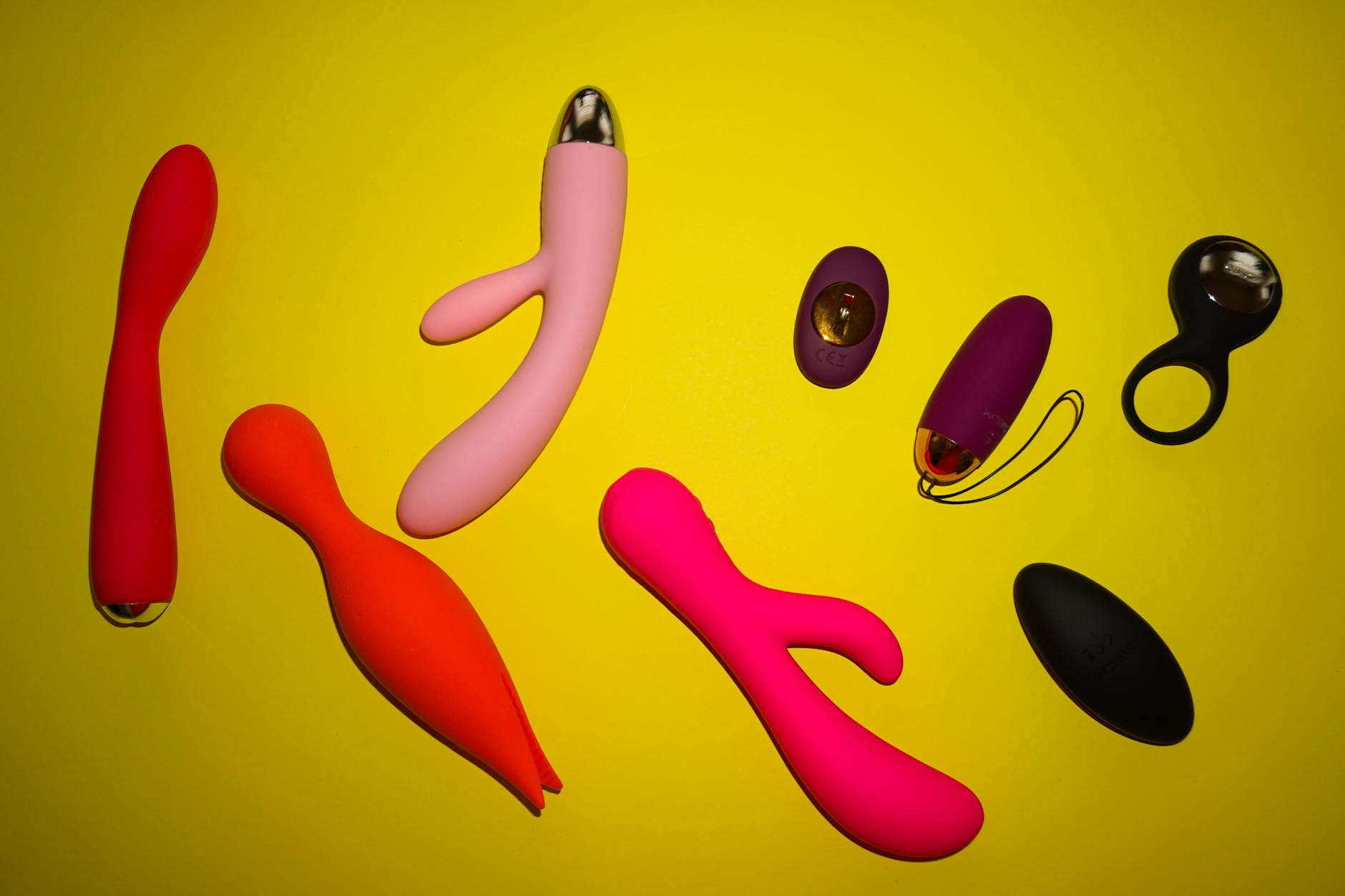
Rebuilding your relationship with pleasure after that kind of harm is possible. It's not quick, and it's not linear, but it happens. And the right tools, like lemon clitoral vibrators from Lem Hello Nancy, can actually help you move at your own pace instead of trying to force yourself back into something that feels terrifying.
Why your body feels hypervigilant around pleasure
After emotional or physical harm in a relationship, your nervous system is essentially on high alert. Your vagal tone shifts. Your pelvic floor tightens protectively. Your brain associates vulnerability with danger. This is trauma physiology, not a character flaw.
One of the biggest barriers my clients report is that pleasure now feels like a threat. Not because they don't want to feel good, but because pleasure, historically, was connected to being unsafe. Maybe they were pressured into sex they didn't want. Maybe they were coerced into kink they didn't consent to. Maybe they learned that saying no had no power.
When that's your history, your body learns to distrust pleasure itself. Arousal might feel like being trapped. Orgasm might feel like losing control. Touch might feel like an intrusion, even if it's your own hand.
The key difference with a tool like a lemon vibrator is control. You're not waiting for someone else's rhythm or intensity. You're not managing someone else's needs or emotions. You're purely managing your own sensation, on your own timeline, with a device that responds exactly to what you ask it to do.
How lemon vibrators help when trauma rewires safety
Lem Hello Nancy's lemon clitoral vibrators work because they shift the power dynamic back to you. Here's what I see change in my practice:
1. You control the intensity. With a partner, intensity gets negotiated, compromised, or ignored. With a lemon vibrator, you start at the gentlest setting and go up only if you want to. Many trauma survivors find they can only begin with pattern 1 or 2, the barely-there pulses. That's not a limitation. That's information. Your body is telling you what feels manageable right now.
2. You control the duration. There's no pressure to finish, no clock, no "are you close yet." You can explore sensation for two minutes and stop, guilt-free. You can pick it up again in three days. You can use it for ten minutes of touch with zero expectation of orgasm. After trauma, pleasure divorced from performance is revolutionary.
3. You control consent, moment to moment. This is the piece that changes everything. Your body learns that it can say yes and no, and both are respected instantly. That's not what most trauma survivors learned. Building that internal sense of agency is the whole point.
4. Sensation is targeted, not diffuse. When you're healing, overwhelm happens fast. The precision of a clitoral vibrator means you're not managing stimulation across your whole body, just the one area you're focusing on. That's less to track, less to defend against.
The practical steps when your body has learned fear
If you're starting from a place where even solo touch feels loaded, here's how I usually guide people through it.
Start with zero expectation. The first few times you use a lemon vibrator, the goal is not arousal or orgasm. The goal is just sensation. Turn it on at the lowest setting, hold it near the area without touching, and notice what happens. Can you tolerate the sound? The vibration? Do you feel safe? This is reconnaissance, not performance.
Build a boundary ritual. Before you touch yourself, create a tiny moment of consent. "This is for me. I'm safe. I can stop anytime." Some clients write this down. Some say it aloud. Some light a candle or change into a specific piece of clothing that means "my time." That ritual tells your nervous system that this is different from how touch felt in the relationship.
Expect your body to protest sometimes. On some days, you'll feel calm and able. On others, your body will tighten up the moment you reach for the vibrator. This isn't failure. This is your nervous system still learning that this context is safe. If it happens, stop. Try again another day. Pushing through trauma responses teaches your body that its signals don't matter. That's the opposite of what healing requires.
Go slower than you think you need to. If you used lemon clitoral vibrators before the trauma, and they felt good then, you might think you should jump back to that same intensity and rhythm. Don't. Your nervous system is in a different place. It's like learning to use them for the first time. Budget weeks or months for your body to relearn that pleasure can be safe.
Notice what feels grounding. Some people find that holding a pillow, or having a blanket, or using a vibrator while sitting up rather than lying down, makes the experience feel safer. Some people need to be able to hear the world around them (door unlocked, music on). Some need silence. Pay attention to what anchors you. Your nervous system is trying to tell you what it needs.
When to bring a partner back into the picture
This is where it gets complicated, and I want to be honest with you. If you're rebuilding pleasure after relationship trauma, you might eventually want to share that with a partner again. That's valid. But it requires real conversation, which most couples have never had.
Don't assume your partner understands what you went through or how it changed your body. Don't expect them to be able to intuitively know how to touch you safely now. That's too much weight to put on intuition.
Instead, consider telling them something like: "I'm relearning what pleasure feels like for me, separate from what happened before. It's going to look different. I need you to hear no without negotiation, without sadness, without trying to convince me. Can you do that?" Then actually practice it. Have them ask if touch is okay right now. Have them practice stopping immediately when you say to.
Many couples find that one partner using a lemon vibrator while the other is present but not touching is a way to rebuild trust and intimacy. It says: "I'm vulnerable here, and I feel safe with you watching." That's a huge recalibration from trauma.
When pleasure returns, it might feel different
One thing I need to prepare you for: the pleasure you feel after healing from trauma might not feel identical to pleasure before it happened. That's okay. Sometimes it's actually deeper, because you're not performing it. You're not managing someone else's experience. You're purely, selfishly, unapologetically yours.
Some clients tell me that orgasms after healing feel more focused, more in their body, less dissociative. Others say they're slower to build but more satisfying. Some find they don't actually want the same things they thought they wanted before. That's not a loss. That's becoming yourself again.
When you need more than a vibrator
If you're using lemon vibrators and you're still feeling completely shut down, numb, or triggered, that's information that you might need additional support. A trauma-informed therapist, a somatic practitioner, or someone trained in EMDR can help your nervous system actually reprocess what happened, not just work around it.
Pleasure is supposed to feel good. If it consistently feels unsafe or painful even in the gentlest context, you deserve professional help untangling that. There's no shame in that. There's only wisdom in asking for what you need.
Healing from relationship trauma takes time. Your body will rebuild its sense of safety when you give it space, consent, and tools that respect what you've been through. A lemon vibrator is one of those tools. It's not the whole picture, but it's a powerful part of learning that pleasure can belong to you again.
People also ask
Can I use lemon vibrators if I have PTSD from relationship abuse?
Yes, but with intention and support. Many trauma survivors find that using a lemon clitoral vibrator in a controlled environment, at their own pace, with zero performance pressure, actually helps rebuild nervous system safety. The key is that you're in control. If you also have a trauma therapist, it can be helpful to mention that you're starting to explore self-pleasure again, so they can support you through any activation that comes up.
How long does it take before pleasure feels normal again after relationship trauma?
There's no timeline. For some people, it's months. For others, it's years. The healing doesn't move in a straight line. You might have a week where your body feels open and responsive, then a week where everything feels locked down again. Both are normal. Focus on moving toward pleasure at a pace your nervous system can handle, not on reaching some arbitrary "normal."
What if using a vibrator triggers flashbacks or panic?
Stop immediately and come back when you feel calmer. Then, before you try again, think about what triggered the response. Was it a specific sensation? A memory? A feeling of loss of control? Once you identify it, you can build a workaround. Maybe you need to use it with the lights on, or with music, or while sitting rather than lying down. Maybe you need to practice saying "stop" out loud while using it, to reinforce your agency. Trauma survivors often need to rebuild their sense of control before pleasure feels truly safe again.
Is it normal to feel guilty using a vibrator after being hurt by a partner?
Completely normal. Many people internalize the message that pleasure is something done to them, not something they choose. Reclaiming solo pleasure can feel selfish, frivolous, or even dangerous. It's not. Your pleasure is yours. Using a lemon vibrator is an act of reclamation. The guilt usually fades as your nervous system learns that this context is entirely different from the harm that happened before.
What intensity should I use if my body feels hypervigilant?
Start with the lowest setting and let your body decide if you ever move higher. Some trauma survivors never need high intensity. They find that gentle, consistent stimulation is what their nervous system can tolerate. That's not a limitation. That's your body communicating what actually feels good. Listen to it.
Can lemon vibrators help with pelvic floor tension from trauma?
Indirectly, yes. A lemon clitoral vibrator can help because pleasure and gentle sensation actually help the pelvic floor learn to relax. But trauma-related pelvic floor tension often needs additional support like pelvic floor physical therapy or somatic work. Many practitioners are trained in trauma-informed care and can help your body release that protective tension while you're also healing emotionally.
The bigger picture
Using a lemon vibrator after relationship trauma isn't about forcing yourself back into pleasure. It's about slowly, carefully teaching your body that sensation can be safe again. That control matters. That your yes and no both have power. That pleasure can belong to you without anyone else's permission or presence.
If you're starting this journey, be patient with yourself. Your body is healing from something real. The fact that you're willing to rebuild your relationship with pleasure at all is an act of courage. Take it slow. Use the tools that work for you. And if you need support, reach out to a therapist who understands trauma. You don't have to do this alone.