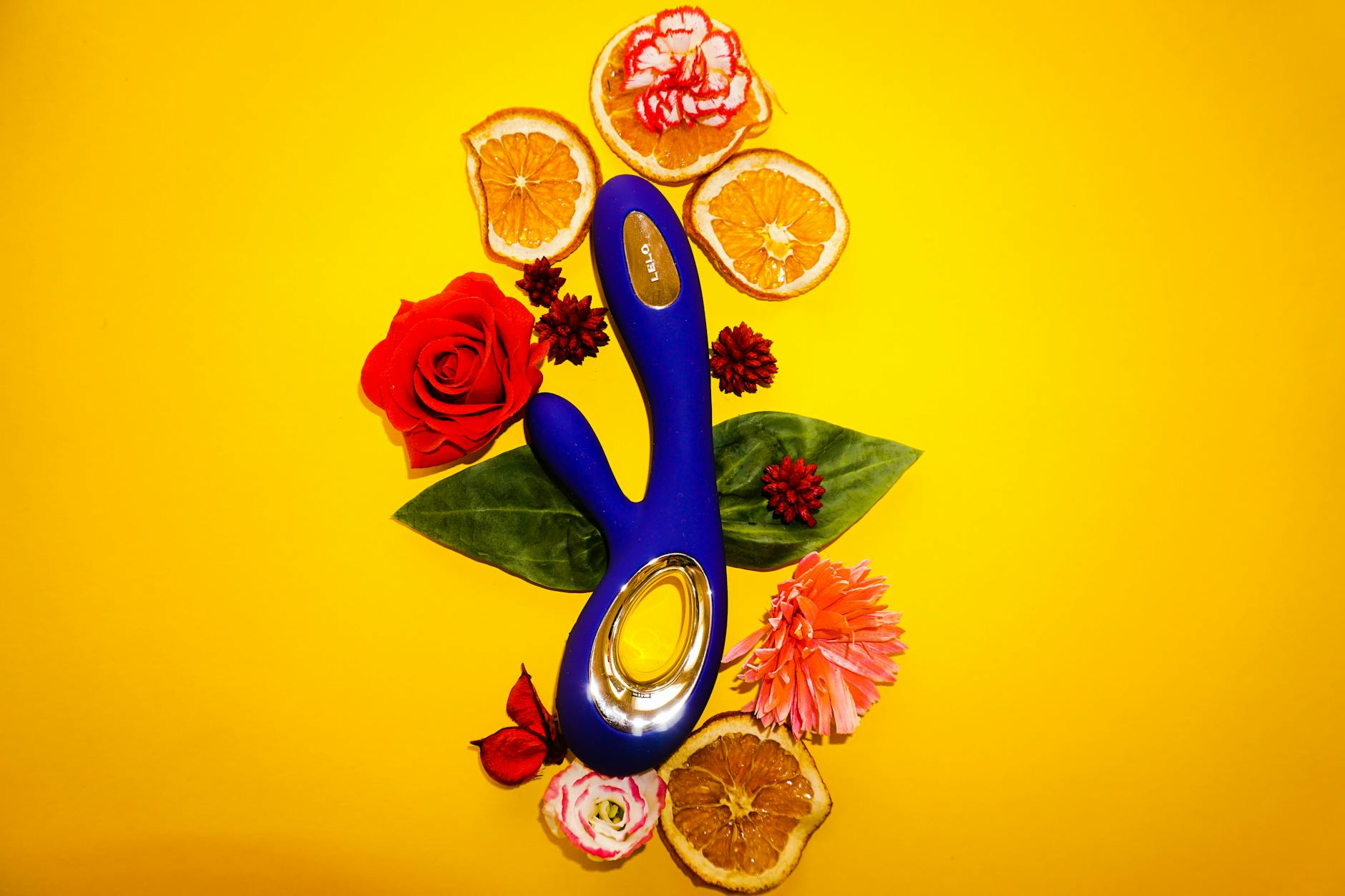
When the relationship shifts, your body doesn't get the memo
Here's what nobody tells you: your libido doesn't actually die when a long-term relationship changes. It goes dormant. There's a huge difference, and understanding that difference is the first step to bringing it back to life.
You might be navigating new roles with a partner, recovering from a separation, or dealing with the weird in-between phase where the dynamic is shifting but everything's still technically together. Whatever the shape of the change, your nervous system has gotten the signal that things are unstable. And when your nervous system says "not safe," your desire shuts down fast. That's not a personal failure. That's your body doing exactly what it's supposed to do.
The good news: this is reversible. And clitoral vibrators, specifically lemon vibrators, can be part of how you wake desire back up. Not by forcing anything. By creating a safe, consistent space for pleasure that doesn't depend on your relationship status or your partner's availability.
Why relationships change and libido follows
When a partnership shifts, three things happen simultaneously. First, the emotional safety that sex requires gets shaken. You're processing new information about the relationship, renegotiating roles, or grieving the version of the partnership you thought you had. That cognitive load is real and it's exhausting. Your brain can't route power to pleasure when it's in crisis management mode.
Second, the physical routine breaks. Sex happens at different times, in different ways, or sometimes not at all. Your body doesn't know what to expect. Inconsistency kills arousal faster than almost anything else.
Third, and this is the part people rarely name, you've lost your sexual mirror. In long-term relationships, a lot of your desire gets reflected back to you from your partner's desire. You're used to being wanted in a particular way. When that wanting changes shape, you lose a major cue for your own arousal.
Add these three things together and you get what feels like dead libido. It's not. It's just in hiding.
What clitoral vibrators do that your circumstances currently can't
When your relationship is in flux, sex with a partner becomes loaded with emotion. It has to mean something. It has to feel safe. It has to prove things about the relationship or about you.
That's a lot of weight for sex to carry. And when sex is carrying all that weight, pleasure disappears.
Clitoral vibrators, like lemon vibrators, let you separate pleasure from meaning. You can have sensation without negotiation. You can have orgasm without proving anything to anyone. That psychological reset is often what's needed to remember that your body actually still wants sensation.
Vibrators also provide something your circumstance might not right now: consistency and control. The vibrator works the same way every time. You decide the intensity, the rhythm, the timing. That predictability tells your nervous system that this is safe. And once your nervous system believes it's safe, arousal can start building again.
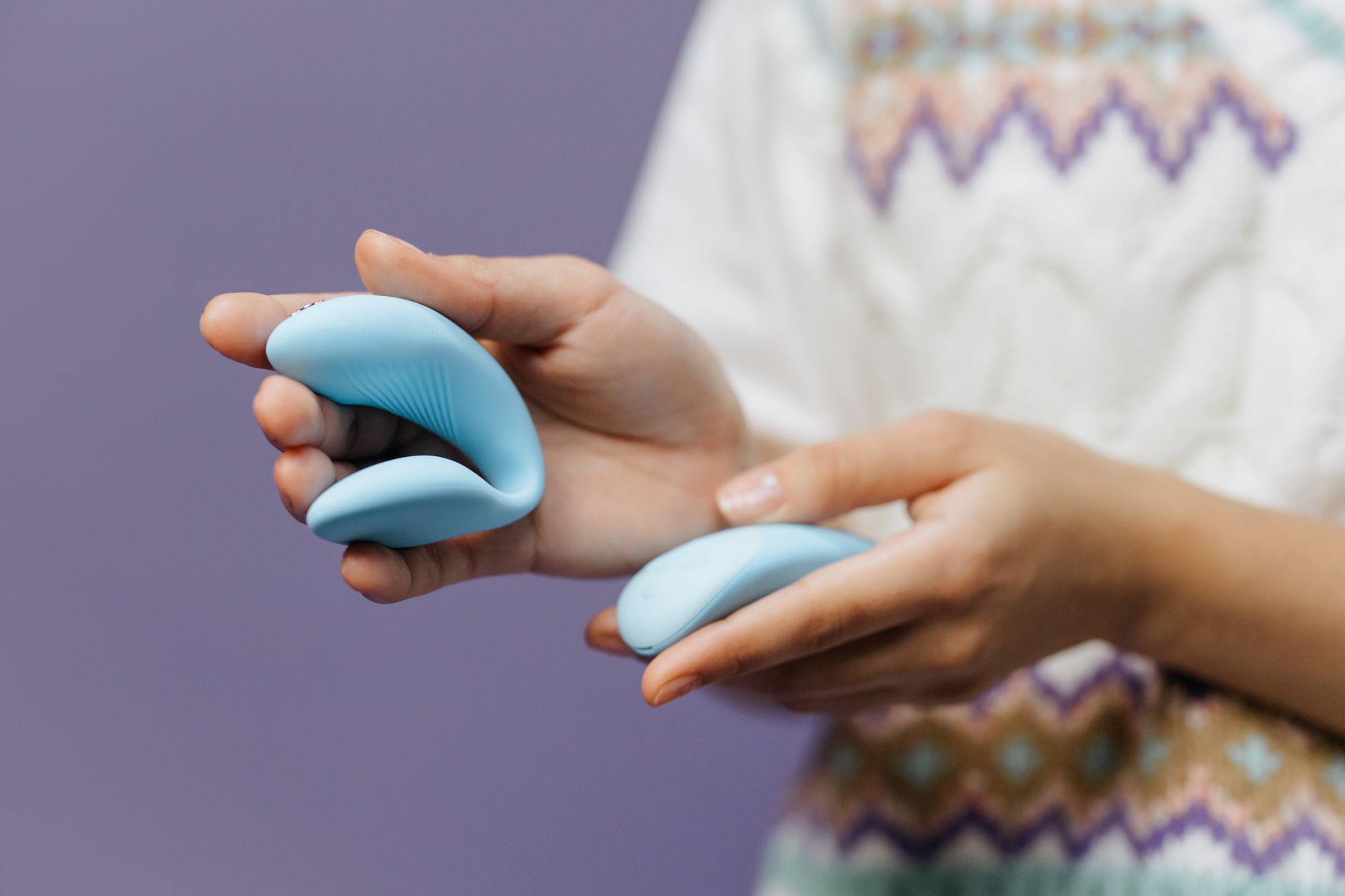
Photo by cottonbro studio on Pexels
The framework: how to actually restart your pleasure
Phase 1: Separation (two to three weeks). Start using a lemon vibrator solo. Not as foreplay with your partner, not as part of couple's time. Just you and yourself. This does two things. First, it gives you back the experience of pleasure that isn't dependent on another person's involvement or approval. Second, it lets your nervous system practice the experience of safety in a low-stakes context.
Start with low intensity. Pattern one or two. Spend time just feeling the sensation without chasing an orgasm. This isn't about performance. It's about sensation literacy. Your body has forgotten that it can feel good independently. This phase reminds it.
Phase 2: Integration (three to four weeks). Once you've rebuilt the basic neural pathway of pleasure, you can start thinking about including your partner, if you have one. But not immediately during sex. Try using your lemon vibrator in non-sexual contexts. In the bath. During a quiet morning. Somewhere your partner can see that this isn't about them, it's about you. This helps a partner understand that your desire isn't about rejecting them. It's about you rebuilding yourself.
Phase 3: Gradual reintroduction (ongoing). Now you can start thinking about how your vibrator might be part of partnered sex, if that's what you want. But the key difference is that it's no longer the missing piece in a broken system. It's a tool you've already reclaimed for yourself. That changes everything about how it feels when you use it together.
Specific tactics for low-desire-after-change situations
Let's get practical. Here's what actually works when your libido has gone quiet after relationship upheaval.
Set a time and keep it. Not a date with your partner. A date with yourself. Three times a week, fifteen minutes. This isn't about outcomes. It's about showing your nervous system that pleasure is a priority and it's non-negotiable. Your brain starts to anticipate it. Anticipation is where arousal lives.
Use sensation variety to bypass numbness. If you've been dissociated or numb, sometimes a single vibration pattern won't cut through. Try the Lem's different patterns in sequence. The suction sensation works differently on your clitoris than straight vibration does. Your nervous system notices the change. That novelty can wake things up.
Combine it with a tiny amount of lubrication. You might think you need to be "wet enough." That's not the barrier you think it is. A tiny bit of water-based lube helps sensation register more clearly. It's not about being broken. It's about optimizing for a nervous system that's been in low-pleasure mode. The lube helps your clitoris actually feel what's happening.
Pair it with your own touch. Your hands still matter. Use your other hand to touch your thighs, your breasts, your stomach. This builds the full-body arousal that vibrators alone might not trigger when you're in survival mode. You're reminding your body that pleasure is multisensory.
Track the tiny changes, not the endpoint. Don't measure this against orgasms. Measure it against sensation. "Did I feel that? Was that different from yesterday? Did I notice my breathing change?" These small landmarks matter way more than whether you came. Desire doesn't return as a switch that flips. It returns as a series of small sensations that feel slightly less numb than before.
What to do if nothing's shifting after three weeks
If you're following this and still feeling absolutely flat, three things to consider. First, is there an underlying medical component? Hormonal changes, thyroid issues, or medication side effects can genuinely suppress libido. That's not something a vibrator can fix. That's something you talk to a doctor about.
Second, is the relationship situation actually resolved enough for your nervous system to relax? If you're still in active crisis with your partner, your body's shutdown might be the right response. You might need to address the relationship issue directly before pleasure can come back. That's where a therapist, not a vibrator, becomes the tool you need. Consider talking to someone trained in relationship work if the core issue isn't getting better.
Third, are you expecting desire to return in the same shape it had before? This is important. After relationship changes, your desire often comes back differently. It might feel less urgent. It might be less connected to your partner. It might require different conditions. That's not worse. It's just different. Sometimes the block is actually resistance to the new shape your pleasure wants to take.
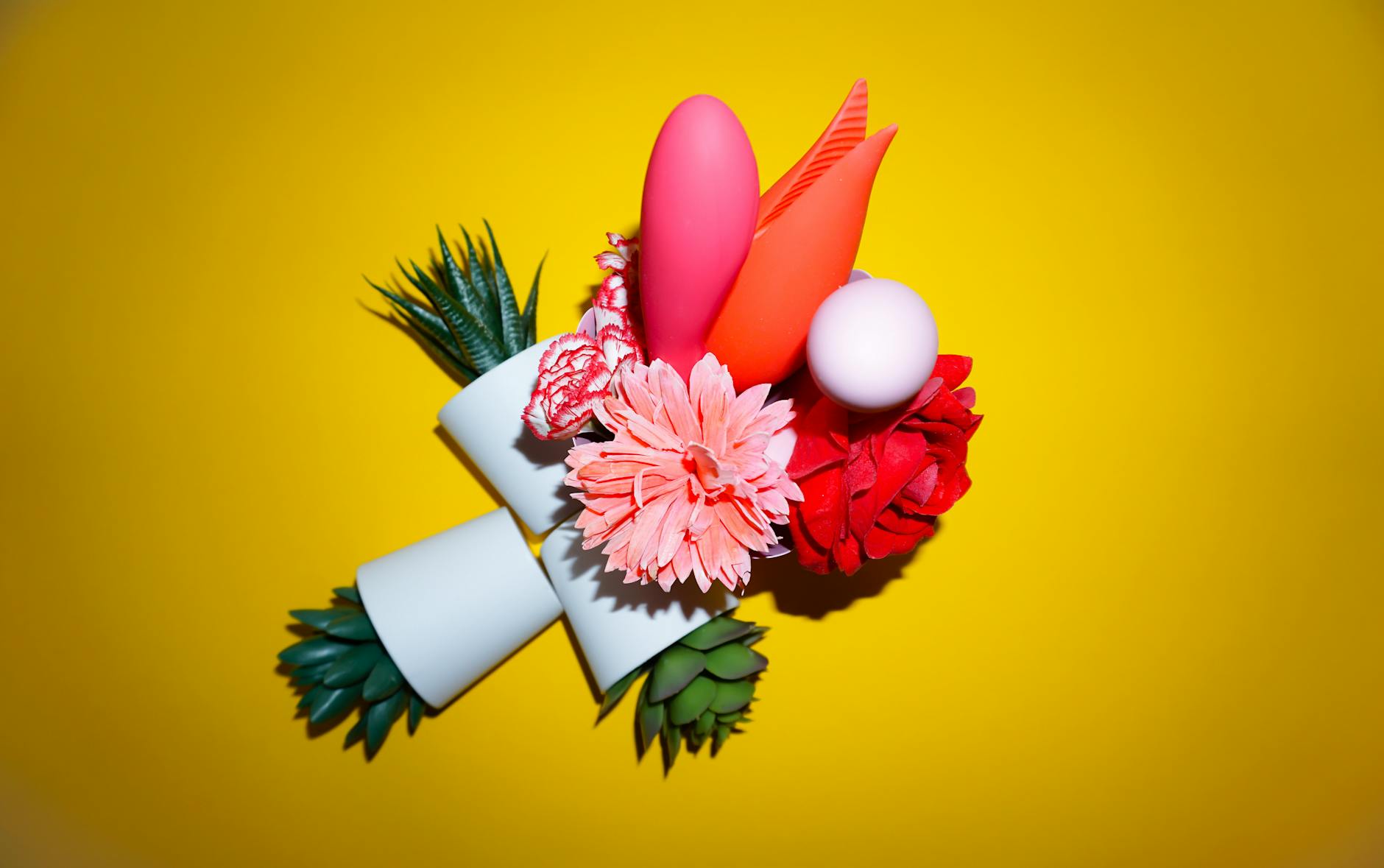
Photo by DRT.fm on Pexels
When to use lemon vibrators and when to use something else
Lemon clitoral vibrators are specifically good for this situation because they're straightforward and they work fast. If what you need is to rebuild the simple sensation that you can feel good, a Lem is the right tool. The suction mechanism works differently than straight vibration, which helps if you've been numb. And the consistency of how it works means your nervous system doesn't have to figure out anything new. It just has to feel.
But here's where this gets individual. Some people, after relationship upheaval, need something that feels more like a partner interaction. Something with more give and take. Others need something that feels so different from partnered sex that it couldn't possibly be confused with it. Some people do better with wand-style vibrators. Others with small clitoral vibrators. You're allowed to experiment and see what your nervous system actually responds to.
The framework matters more than the specific toy. The framework is: find something that's safe, consistent, and purely for you. Use it regularly. Pay attention to sensation, not performance. Let desire return in its own time and its own shape. Whatever tool helps you do that is the right tool.
Questions people ask about libido and vibrators after relationship changes
Will using a vibrator make me want my partner less?
No. The opposite, usually. When you're not desperate for your partner to be your only source of pleasure, the pressure comes off the relationship. You can actually enjoy them without needing them to fix something. That usually makes partnered sex better, not worse.
How long does it take for desire to come back?
Three to six weeks if you're consistent. Longer if the relationship situation is still actively stressful. Your nervous system needs time to believe it's safe again. You can't speed that up by trying harder. You can only speed it up by being consistent and gentle with yourself.
Should I tell my partner I'm using a vibrator?
That depends on the relationship and where you are in the change. If you're together and trying to rebuild, yes, eventually. Not as a confession. As an "I'm working on something and I need some solo time for this." If you're separated or headed that direction, no, you don't have to. This is for you.
Can lemon vibrators help if there's actual pain during sex?
No. If there's pain, you need a doctor first. A vibrator won't fix structural issues, infections, or trauma responses. It can help rebuild pleasure once the pain is addressed, but it's not a treatment for pain itself.
What if I feel guilty using something just for myself?
That guilt is often the loudest voice in the room when relationships are changing. It's worth naming: your pleasure is not selfish. Your body's needs don't make you a bad partner or a bad person. In fact, people who know how to access their own pleasure are usually better partners. You're learning something valuable about yourself.
Is it normal that my orgasms feel different now?
Completely normal. Different relationship dynamics, different stress levels, different mental state. All of those change how your body experiences orgasm. That doesn't mean something's wrong. It means your nervous system is adjusting to new circumstances. Give yourself time to get to know what pleasure feels like now.
One more thing
What you're dealing with isn't broken. It's a pause. Your body is smart enough to know when something's unstable and to protect itself. Using a lemon vibrator, being consistent, and giving yourself time and permission is how you tell your body that it's safe to want things again.
Your desire didn't vanish. It just went underground. And you know how to bring it back.