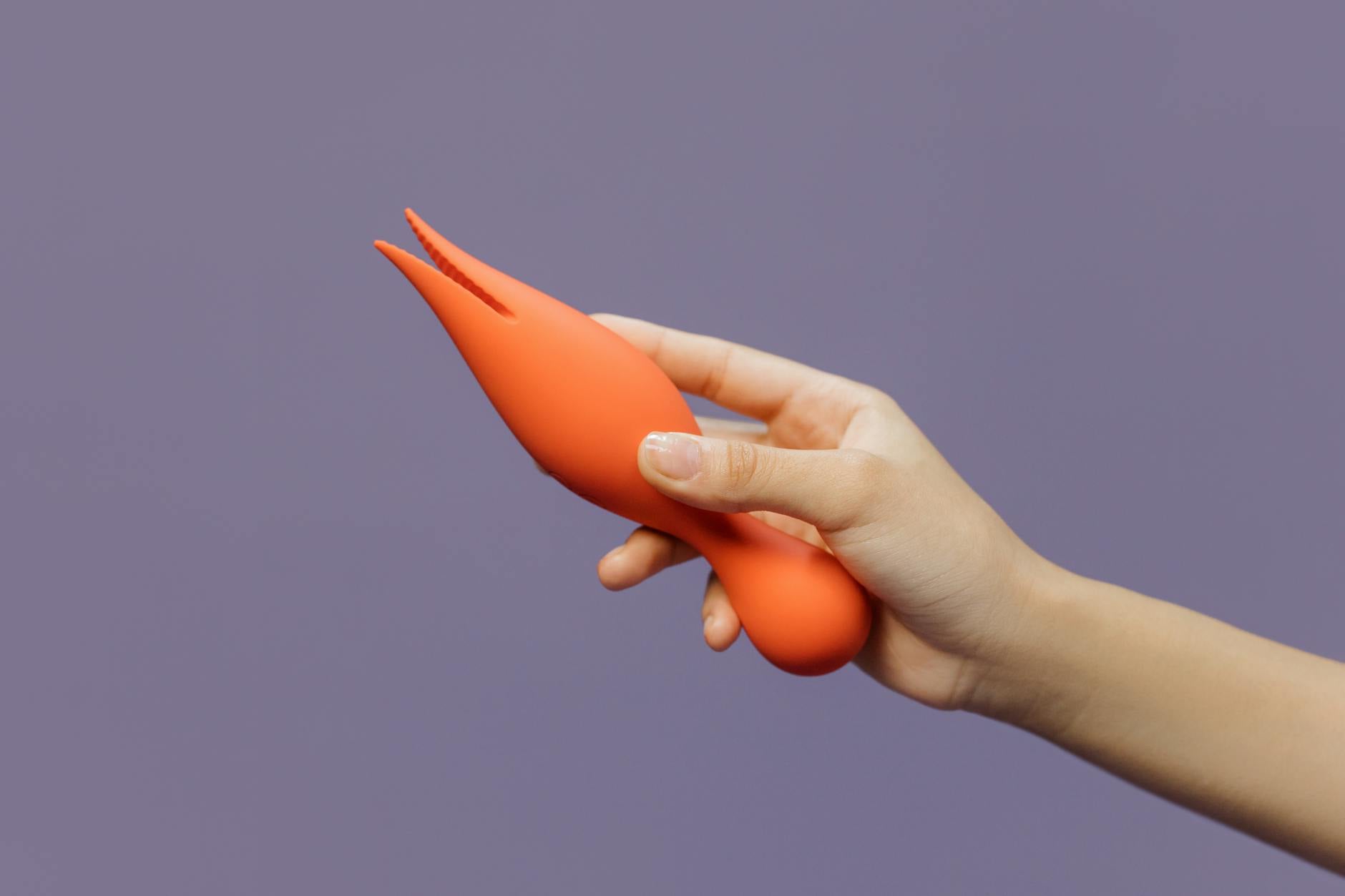
Let's talk about the mismatch nobody plans for
You bring a Lem clitoral vibrator to bed. Your partner thinks it's a one-person device. They want something different. Or they want what you want, but at a rhythm that doesn't match yours. Or they're not sure how this fits into what you two do together at all.
This isn't a small problem. Pleasure mismatch is one of the most common reasons couples stop having good sex, and it rarely gets addressed directly because it feels awkward to name.
Why pleasure preferences diverge
Here's the uncomfortable truth: your nervous system is not the same as your partner's. One of you might have a higher threshold for sensation intensity. One of you might need longer warm-up time. One of you might chase orgasm, while the other values the buildup more than the destination.
This isn't incompatibility. It's anatomy. And it's solvable.
The clitoral vibrator sits at the center of this because it's personal. When you use a lemon vibrator solo, you control the pattern, the intensity, the rhythm, the duration. When your partner is involved, suddenly there are two sets of preferences in the same moment. That's where the friction starts.
The real conversation to have first
Before any toy touches the bed, you need to know: what does your partner actually think the Lem is for?
Many partners assume a clitoral vibrator is a replacement for them. That it means their fingers, their mouth, their involvement isn't enough. That's not true, but if they believe it, no toy will fix the dynamic. You'll just have another object in the room adding tension.
Start here. "I want to use this during sex, and I want you to be part of it." That one sentence changes the frame from solo tool to shared experience.
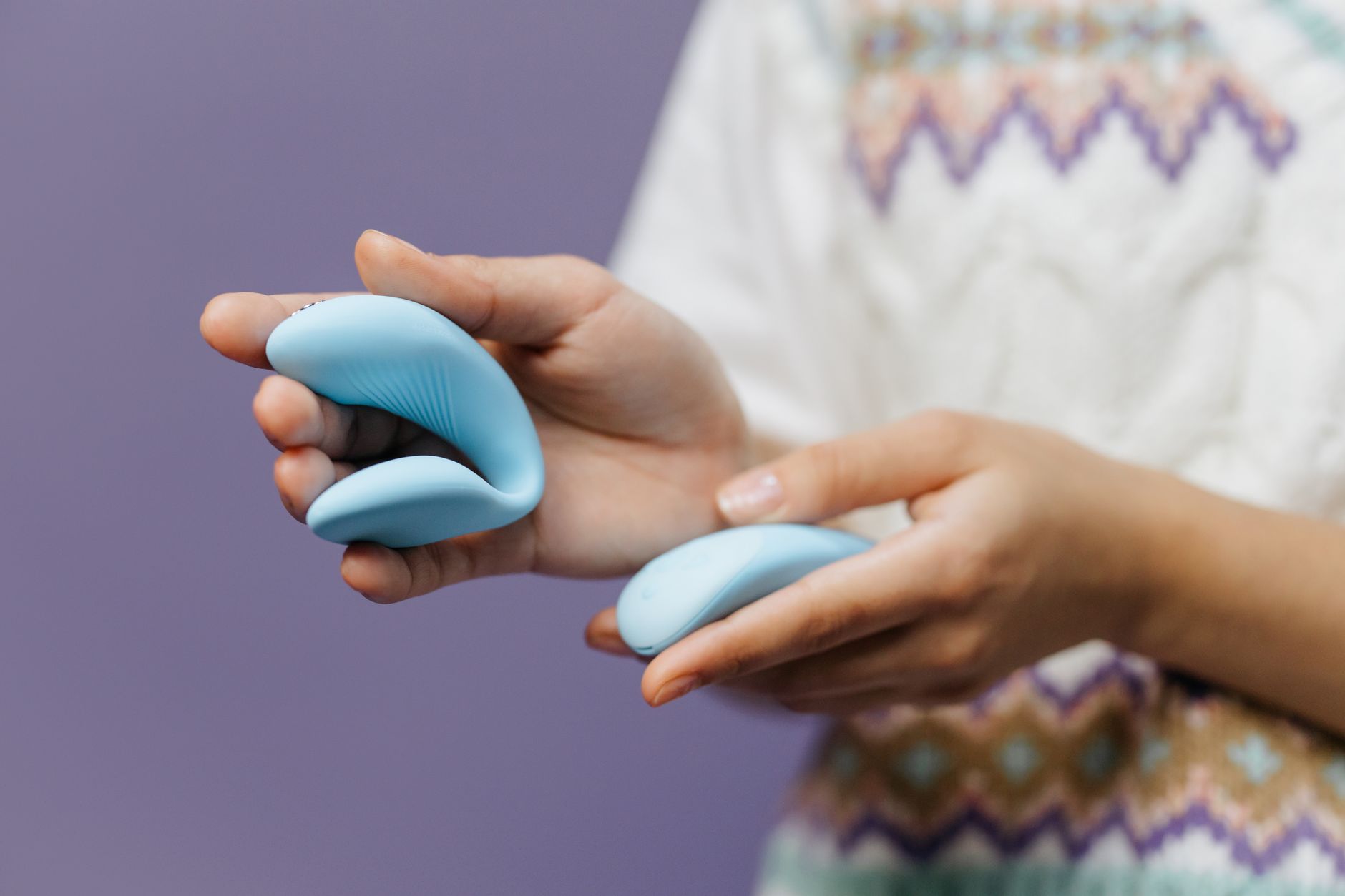
Photo by cottonbro studio on Pexels
Then get specific: "What I like about this is the pattern feels intense and fast. What do you prefer?" You're not asking them to match you. You're asking what their actual preference is. This is the data you need.
Three ways to bridge intensity mismatches
Okay, so your partner prefers gentler sensation or longer buildup. You like the pulse mode on your Lem set to pattern 4. Here's how this actually works.
Option 1: Layer, don't replace.
You use the lemon vibrator on lower settings. Your partner uses their hands or mouth alongside it. The clitoral vibrator becomes one element in a layered experience, not the main event. The Lem vibrator adds sensation while they provide warmth, pressure, timing cues. This works particularly well if your partner feels more present when they're actively contributing.
Option 2: Take turns leading.
First few minutes, they set the pace entirely. Hands, no toys. You follow their rhythm, their intensity, their interest in speed. Once you're warmed up and your threshold is lower, introduce the lemon clitoral vibrator at a setting you both agree on. The shift happens gradually, not abruptly. Your partner stays in control of the overall temperature.
**Option 3: Use different devices.
You use the Lem. They use something with a different sensation profile. (Maybe the Avocado if they prefer broader stimulation, or the Lolly if they like a wand's versatility.) This removes the pressure to sync perfectly because you're each choosing what your body actually wants. You're in parallel, not in conflict.
When one of you wants it and one doesn't
This is different from intensity mismatch. This is "I'm interested in pleasure play with toys" and "I'm not convinced I want this."
Don't push. That's the first rule. If your partner isn't curious, introducing a vibrator will feel like pressure, not invitation. It'll go the opposite direction.
Instead, separate the toy from the experience. Ask what they actually enjoy about sex with you. Is it intimacy? Connection? Specific sensations? Orgasm? Most people who aren't interested in toys are actually interested in something, just not what you presented.
Maybe your partner loves the build of anticipation. A clitoral vibrator might feel too fast. Maybe they love the intimacy of hands and want to stay in that. The toy might feel clinical. Maybe they love seeing you enjoy yourself, and if you use the Lem solo while they watch, that's the experience they want.
The point: curiosity about their actual preference comes before any introduction. Once you know what they value, you can decide if a lemon vibrator or any toy fits into that.
Communication rhythm for couples
Here's what works in practice: schedule a conversation about pleasure outside the bedroom. Not during sex. Not in the middle of an awkward moment. Separate.
Ask three things:
- What sensation do you actually like? (Not what you think you should like. Actual preference.)
- What rhythm works for your body?
- What would make you feel more connected to me during pleasure?
Listen without defending. If they say "I feel rushed," they don't mean you're moving too fast. They mean their nervous system needs more time to warm up. That's actionable.
Then share the same three answers about yourself. Make it reciprocal. This isn't one person explaining their needs. It's both people being honest.
Practical integration when you do use toys
Assuming both partners are on board, here's the real workflow.
Start with the vibrator OFF. Your partner needs to see it, hold it, get comfortable with the weight and shape. Then turn it on at the lowest setting. No one is touching sensitive skin yet. They're just hearing what it sounds like and getting used to the idea.
Once that's normal, use it on your own first. Let them watch. This removes mystery and also removes the pressure on them to "perform" while you're figuring out what you like. They see you enjoying it. That's the frame.
Only after that, incorporate it into partnered sex. Start at low intensity. If your partner is touching you elsewhere while the lemon vibrator is going, they'll quickly realize it's not a replacement. It's an addition. The sensation from their hands and the clitoral vibrator layer together.
Check in. "Is this working for you?" isn't a vibe-killer. It's the opposite. It shows you care about their actual experience, not just whether the toy is in use.
When the mismatch is permanent
Some couples try everything and one partner simply never wants this. That's okay. Not every sexual experience has to include every tool.
The real question isn't "How do I get my partner to use lemon vibrators?" It's "How do we both feel satisfied?" Sometimes the answer is toys are part of solo time, not partnered time. Sometimes the answer is one partner uses toys occasionally and the other doesn't. Sometimes it's mutual vibrator use but at completely different frequencies.
All of those are functional. What kills intimacy is one partner feeling obligated and the other feeling denied. Communication prevents that.
The thing nobody says out loud
Different pleasure preferences aren't a problem you solve. They're a feature of any long-term sexual relationship. Your needs will shift. Your partner's will too. The couples who maintain good sex aren't the ones who match perfectly. They're the ones who stay curious, stay honest, and stay willing to adjust.
Clitoral vibrators like the Lem aren't magic. They're tools. The real tool is the conversation.
People also ask
Can you use a Lem vibrator as a couple device?
Absolutely. Some couples use it during partnered sex with one partner using it while the other provides stimulation elsewhere. Others use it during foreplay while together. The key is both people agreeing it's part of your shared experience, not a solo tool being brought into partnered time.
What if my partner feels threatened by my vibrator?
This usually means they think the toy is replacing them, not enhancing the experience. Have a direct conversation: "I want you here while I use this. I want this to be something we do together, not instead of you." Frame it as addition, not substitution. Let them watch. Let them be involved. Many partners relax once they realize they're still central to the experience.
How do I bring up using lemon clitoral vibrators if my partner has never mentioned wanting them?
Start with curiosity, not suggestion. Ask what they enjoy about your current sexual rhythm. Ask what they wish felt different. Once you know what they actually want, you can decide if a vibrator fits. Leading with "I bought a toy" feels pushy. Leading with "What would make this better for you?" opens the conversation.
Is it normal for partners to want different intensity levels?
Completely normal. Nervous systems are different. One partner might have a higher sensation threshold. One might need longer buildup. One might prefer sustained sensation while the other prefers pattern variation. These differences don't mean incompatibility. They mean you need to talk about it and find positions or techniques that work for both of you.
Can you use multiple vibrators at once as a couple?
Yes. Some couples each use their own device. Some share one. The Lem works well solo or as part of layered sensation. If your partner has their own vibrator preference, you can both use what you want simultaneously, which removes pressure to perfectly match.
What if we try lemon vibrators and it just doesn't feel good?
Then you stop. Not every tool works for every person or every couple. That's not failure. That's information. Keep the toy if you like it solo. Donate it if you don't. The point isn't to force vibrators into your sex life. The point is to be willing to explore what might help, then let go of what doesn't.
If you and your partner are stuck in a cycle of mismatched pleasure and nothing seems to bridge it, this is worth talking through with a professional who specializes in couples intimacy. Reach out if you want to explore what might help your specific dynamic.