Here's the thing about reactive desire
You don't want sex until something touches you. That's not broken. That's reactive desire, and it's probably more common than you think. But almost everything you read about arousal assumes you wake up already wanting it. That mismatch between how desire actually works for you and what the world tells you it should look like creates real friction.
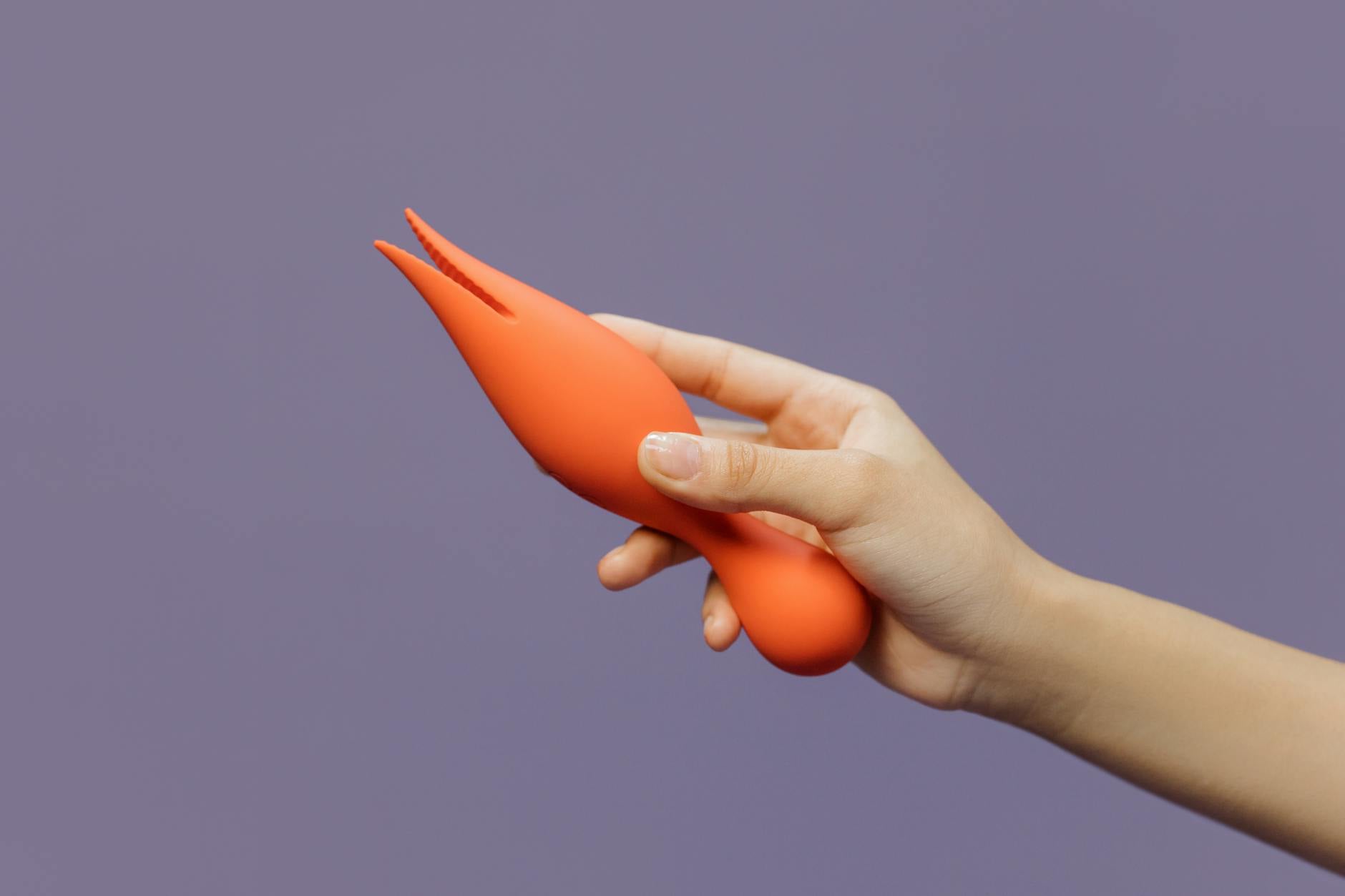
The good news: a lemon vibrator changes the equation entirely. By starting with sensation instead of waiting for desire to arrive on its own, you can access pleasure that feels present and real, not forced or performative.
What reactive desire actually is
Reactive desire is straightforward. Your body and mind don't generate sexual appetite until something external stimulates them. That could be touch, a scenario, visual input, sound, or the presence of a partner. Once stimulation arrives, arousal builds quickly and completely. You're not less sexual. Your pathway to desire is just different.
About 30 percent of people with vulvas experience primarily reactive desire, and it's even more common in long-term relationships. Hormones matter, too. If you've had kids, taken hormonal birth control, experienced menopause, or gone through high-stress periods, your baseline desire often shifts more reactive.
The problem isn't the desire itself. The problem is the shame narrative around it. You're told you should want sex spontaneously, that there's something wrong if you don't get aroused without a trigger, that a good partner shouldn't need a device to build that spark. None of that is true.
Why lemon vibrators work so well for reactive desire
A lemon clitoral vibrator does something pills, perfume, and conversation alone cannot: it bypasses the mental work and goes straight to sensation. You don't have to manufacture desire in your brain first. Instead, sensation builds desire for you.
The lemon's suction-based technology is especially useful here. Unlike traditional vibrators that rely on rapid oscillation, suction stimulates nerves in a way that feels more rhythmic and building. Each pulse waves through the tissue, creating sensation that mounts. You can feel the arousal building in real time, which makes the whole experience feel less like a performance and more like discovery.
For people with reactive desire, that sensation-first approach removes a huge source of anxiety. You're not lying there hoping to feel something. You're already in it.
Building arousal when your body leads
If reactive desire is your pattern, here's what actually works.
Start without expectation. Don't begin a lemon vibrator session thinking "I need to orgasm." The goal is sensation, building arousal, and seeing what happens. Remove the finish line. That alone usually gets you there faster than pressure ever could.
Give yourself time. Reactive desire typically needs 15 to 25 minutes of consistent stimulation to fully develop. That's not long. It's also not instant. Budget for it. Rushing defeats the whole point.
Use lower intensities first. Start a lemon vibrator on pattern 1 or 2. Let your body wake up. This is not about chasing the strongest setting right away. You're building from baseline sensation upward, and the gradual climb creates the arousal itself.
Layer stimulation. Reactive desire often responds well to multiple sensations at once. Touch your breasts, change your breathing, shift position, add sound or a scenario in your mind. Your brain and body are both part of arousal. Engage them.
How to use a lemon vibrator solo with reactive desire
Solo exploration is often the best time to understand your own reactive desire because there's zero performance pressure. You can go as slow as you need.
Set aside time when you're not rushed. Prop yourself up comfortably, maybe with a pillow underneath. Start by getting familiar with the lemon vibrator at low intensities. Many people find that the first few uses, arousal is slower. That's normal. Your body is learning.
Don't wait to feel desire before you turn it on. That's the key difference. You're using sensation as permission. Your body will follow.
Once you've found patterns that work, you can get to arousal faster in future sessions because your nervous system recognizes the pathway. This is one of the advantages of solo exploration. You're building a template your body learns and speeds up over time.
Using a lemon clitoral vibrator with a partner
This is where reactive desire can sometimes complicate partnership, because your partner might perceive the need for external stimulation as a reflection on them or the relationship. It isn't. But that perception is real and worth addressing directly.
Talk about it outside the bedroom first. Say something like: "My arousal works better when I start with direct stimulation. That's how my body is wired. It's not about you or how I feel about you. It's just the way sensation works for me." Make it factual, not emotional or apologetic.
Then incorporate it into sex in whatever way feels good. You might use the lemon vibrator on yourself during foreplay while your partner does other things. You might both take turns. You might build arousal together first, then transition to other forms of contact. There's no single right way.
The key is that once arousal is built, reactive desire often allows for deeper engagement and presence during sex itself because you're no longer focused on waiting to feel something. You're already there.
When reactive desire meets low confidence
Many people with reactive desire also carry some shame about it, especially if past partners made them feel broken or needy. A lemon vibrator can actually rebuild that confidence because it gives you a tool that works reliably. You're not guessing anymore. You know what sensation leads where, and you can access pleasure consistently.
That consistency matters for your nervous system. Over time, as you use a lemon clitoral vibrator and experience reliable arousal and pleasure, the anxiety around "will this work" tends to fade. You build trust in your own body. That's profound.
The hormonal reality
Reactive desire can also intensify during certain phases of your cycle or during hormonal transitions. If your baseline desire is already more reactive, high-stress periods, certain medications, or hormonal fluctuations can make it even more so. That's not permanent. It shifts.
What helps: knowing your body well enough to recognize the pattern. A lemon vibrator becomes even more useful in these phases because you're not betting on spontaneous desire arriving. You're creating the conditions for arousal through sensation, which works regardless of hormonal phase.
The pleasure actually gets better
One thing I've noticed in my work with couples: people with reactive desire, once they stop fighting it and start working with it, often report deeper, more reliable pleasure than people waiting for spontaneous arousal. Why? Because there's no mental friction. You're not split between wanting sex and wondering if you'll feel like it. Sensation leads. Your mind follows. That alignment creates presence, which is where the best pleasure lives.
A lemon vibrator isn't a workaround. It's a tool that matches how your body actually works. That's worth honoring.
Frequently asked questions
Is reactive desire the same as low desire?
No. Reactive desire is about timing and trigger. Low desire is about intensity or frequency. You can have reactive desire and still want sex regularly, and you can have a high baseline desire but find that it's become reactive due to life changes. They're different problems with different solutions.
Can reactive desire change over time?
Yes. Stress, hormones, relationships, and life stage all shift how your desire works. Someone might have spontaneous desire at 25 and reactive desire at 40. Or the opposite. That's not failure. It's adaptation.
Does using a vibrator make reactive desire worse?
No. The opposite is true. Regular use of a lemon clitoral vibrator actually tends to make arousal faster and easier over time because your nervous system learns the pattern. Your body gets more efficient at responding.
Can my partner help build my reactive desire?
Yes, but with clear communication. They can create conditions that trigger desire: touch, proximity, novelty, safety. But they can't force desire to appear spontaneously. A lemon vibrator lets you meet in the middle. You build arousal together, and then continue however you choose.
Is it normal to need 20 minutes to get aroused?
Completely normal. The idea that arousal should happen instantly is a myth. Many people, especially those with reactive desire, need consistent stimulation over time. That's not a flaw. That's just how the nervous system works.
Does a lemon vibrator work better than a traditional vibrator for reactive desire?
Many people with reactive desire report that suction-based stimulation from a lemon feels more building and rhythmic than traditional vibration, which can feel more numbing over time. But individual preference varies. The best device is the one your body responds to.
The bigger picture
Reactive desire is not a diagnosis. It's a pattern, and understanding your own pattern is the first step to working with it instead of against it. A lemon vibrator is one tool that helps. Honesty with yourself and your partner is another. Time, patience, and permission to experience pleasure on your own timeline matter most.
Your arousal doesn't have to look like someone else's. It just has to work for you. If a lemon clitoral vibrator helps you get there, that's the right answer. Period.
Ready to explore? Visit Hello Nancy to find the right lemon vibrator for your body, or reach out if you have questions.