
When your desire goes quiet after everything shifts
Relationship changes hit differently than we expect. A move in together, a job loss, a power shift, a breach of trust, or just the slow fade that happens after years together. None of it has to mean the end of your sex life, but it almost always means a temporary pause. Your desire doesn't vanish because you're broken. It vanishes because your nervous system is processing something real.
Here's what most people don't understand: desire is not separate from relationship health. It's a signal. When it drops, your body is telling you something about safety, trust, novelty, or autonomy. The good news is that rebuilding it doesn't require waiting for your relationship to "fix itself." You can work on desire while everything else is still shifting.
Lemon vibrators like the Lem are built for this exact moment. They're tools for reclaiming pleasure on your own terms, without pressure or performance, while you figure out what you want from both yourself and your partner.
Why desire disappears when relationships change
Desire requires three things: safety, novelty, and autonomy. Relationship shifts disrupt all three at once. If you've moved in with a partner, you've lost novelty. If there's been a betrayal or conflict, safety disappears. If one person is managing more household labor or emotional load, autonomy gets squeezed.
The body responds faster than the brain. Even if you consciously know your partner loves you, your nervous system might not feel safe. Even if the relationship is still strong, the routine and predictability can flatten arousal. This is not a character flaw. This is neurobiology.
Women and people with vulvas report lower desire than their partners in long-term relationships about 60 percent of the time, according to relationship research. When a major life shift happens, that gap widens. Your desire doesn't need fixing. Your nervous system needs reassurance.
The solo exploration phase
Honestly, the fastest way to rebuild desire after a relationship shift is to separate two problems: "How do I reconnect with my own pleasure?" and "How do I reconnect with my partner?" Most people try to solve them simultaneously and end up solving neither.
Start alone. Use a lemon clitoral vibrator to reconnect with what arousal feels like in your body right now, without anyone else's timeline or preferences involved. This isn't selfish. This is repair work.
Set aside 15 to 30 minutes when you're not rushed or resentful. Low desire often lives in the body as tension, numbness, or dissociation. Suction vibrators like the Lem work well here because they feel gentler and more meditative than traditional vibration. The sensation reawakens nerve endings without demanding intensity you might not feel ready for.
Start at the lowest setting. Move slowly. You're not trying to orgasm. You're trying to feel something.
What rebuilding arousal actually looks like
After a relationship shift, arousal doesn't rebuild in a straight line. You might feel nothing for a few sessions, then suddenly have a powerful response. You might discover new preferences or intensities that surprise you. All of this is normal and worth paying attention to.
Lemon vibrators are particularly helpful here because they're intuitive. If you've never used a clitoral vibrator, the Lem's suction design creates stimulation that mimics the kind of sensation many people find most responsive when they're rusty or disconnected from pleasure.
Here are the actual steps: Start at setting 1 or 2. Experiment with angles and pressure. Your body will tell you what feels good. When you find something that works, stay there. Resist the urge to chase intensity. Intensity isn't the goal when you're rebuilding. Consistency and presence are.
Reconnecting with your partner without the pressure
Once you've spent a week or two rediscovering pleasure on your own, you have something real to bring back into partnership. You know what your body responds to now. You know what intensity works. You have a reference point instead of a void.
Then, if you want to, bring it into the room with your partner. This is not about performing for them or proving desire has returned. It's about inviting them into the process of rebuilding. Some couples find that watching a partner use a lemon sucker or clitoral vibrator creates its own eroticism. Others use it as foreplay. Some use it as a way to extend pleasure for both people.
The key is honesty: "I've been using this to reconnect with my own arousal, and I want to share that with you" is a completely different conversation than "I need this to feel something." One opens the door. The other creates pressure.
When desire stays low and that's worth addressing
If you've spent three to four weeks exploring solo and desire still hasn't budged, it might be time to pause and look deeper. Low desire after relationship shifts sometimes signals something that needs external support: depression, unresolved conflict, medication side effects, or genuine incompatibility.
If you're stuck, consider talking to a therapist who specializes in couples or sexuality. How to Rebuild Sexual Confidence After a Long-Term Relationship Ends offers some frameworks for knowing when partnership work helps versus when you need individual support.
Likewise, if your partner's desire remains much higher than yours, How to Use Lemon Vibrators When Your Partner Wants More Frequent Intimacy Than You Do addresses that specific mismatch and how lemon adult toys can create solutions that don't require forcing arousal.
The timeline for rebuilding is unpredictable
Some people reconnect with desire in two weeks. Others need two months. Both are fine. The mistake is treating low desire as a deadline instead of a process.
One other thing worth knowing: if your relationship shifted because of a violation of trust, rebuilding desire takes longer and sometimes requires that the trust issue be actively addressed first. A lemon clitoral vibrator cannot repair betrayal. What it can do is help you stay connected to your own pleasure while you decide whether you want to stay and rebuild, or leave and start fresh.
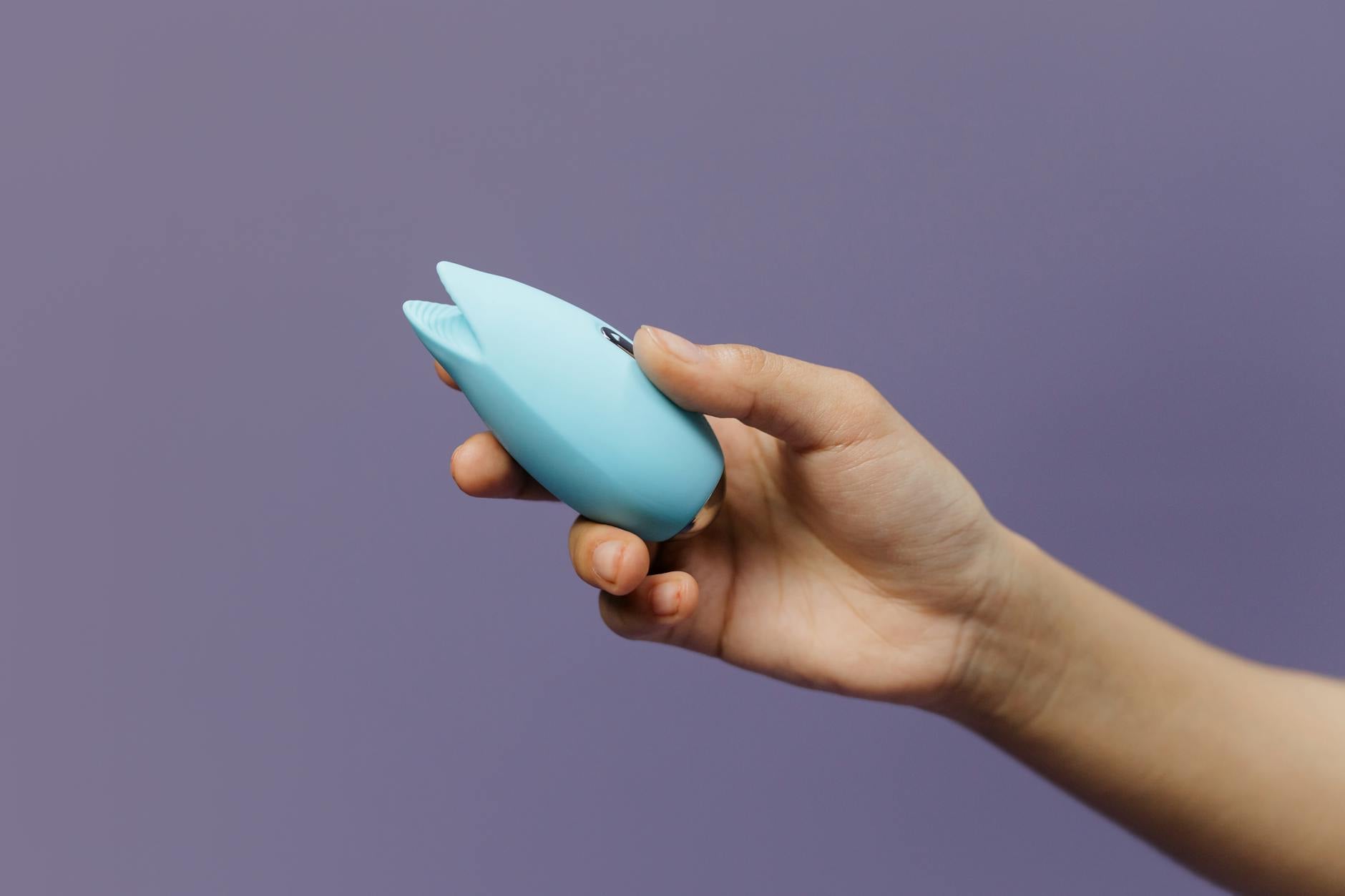
Photo by cottonbro studio on Pexels
Gentle intensity as you rebuild
When desire returns, it often comes back as subtle. You might feel a flutter instead of urgency. A curiosity instead of need. That's not weak. That's actually how sustainable desire works for many people, especially after relationship changes.
A lemon vibrator's range from delicate to intense means you can meet yourself where you are. The Lem's five settings let you stay in that gentle zone as long as you need without feeling like you have to jump to stronger sensation to feel "real" pleasure.
Trust the subtle stuff. A small shift in arousal is still a shift. Your body is learning to feel safe again.
FAQ: Low desire after relationship shifts
How long does it usually take for desire to return after a relationship changes?
It varies widely, but most people report noticeable shifts within three to six weeks of consistent solo exploration. Bigger changes (infidelity, moving in together, major life stress) might take longer. The timeline matters less than consistency. Using a clitoral vibrator twice a week will rebuild sensitivity faster than sporadic attempts.
Does using a lemon vibrator mean there's something wrong with my relationship?
Not at all. Solo pleasure and partnered pleasure are separate experiences. Using a lemon sucker by yourself is like journaling or exercising. It's about maintaining your own nervous system and pleasure capacity, which ultimately benefits both you and your relationship.
Can lemon sexual toys help if I'm not sure I want to stay in my relationship?
Yes. Reconnecting with pleasure helps you feel more grounded and clearer about what you actually want. Desire, or lack of it, is information. Using a hello nancy vibrator to explore that information solo gives you clarity without pressure from a partner.
What if my partner feels threatened by me using a clitoral vibrator?
That's worth a conversation separate from the vibrator itself. His fear usually isn't about the toy. It's about rejection, inadequacy, or feeling replaced. Frame it as solo maintenance, not a replacement. Some partners find it hot when they understand that solo pleasure isn't a referendum on the partnership.
Should I use a lemon clitoral vibrator before sex with my partner or instead of it?
Both work. Some people use solo vibrator sessions to warm up their nervous system, then transition to partnered sex. Others use it as primary pleasure while partnered sex is secondary. There's no hierarchy. Do what builds desire for you.
How do I know if low desire is relationship issues versus something physical or hormonal?
Low desire usually has multiple layers. Hormonal changes, medication, stress, and relationship disconnection often happen at the same time. If desire is completely absent rather than just lower, or if it came on suddenly with no relationship change, talk to a doctor. If it's gradual and correlated with relationship shifts, it's usually relational first.
Moving forward: solo practice, then connection
Desire after a relationship shift is not about forcing yourself to feel something you don't. It's about gently waking up a part of you that's been quiet. Lemon vibrators do that work efficiently because suction technology triggers neural pathways that respond even when conventional arousal feels distant.
Start solo. Stay patient. Let your body lead. And when you're ready, bring that reconnected sense of pleasure back to your partner if that's what you want. Desire doesn't have to be complicated. Sometimes it just needs space and permission to come back on its own.
If you're struggling with deeper relationship questions alongside desire, How to Use Lemon Vibrators When Pleasure Feels Conditional on Partner Validation offers another angle on untangling pleasure from performance. The through-line is always the same: your pleasure belongs to you first. Everything else builds from there.