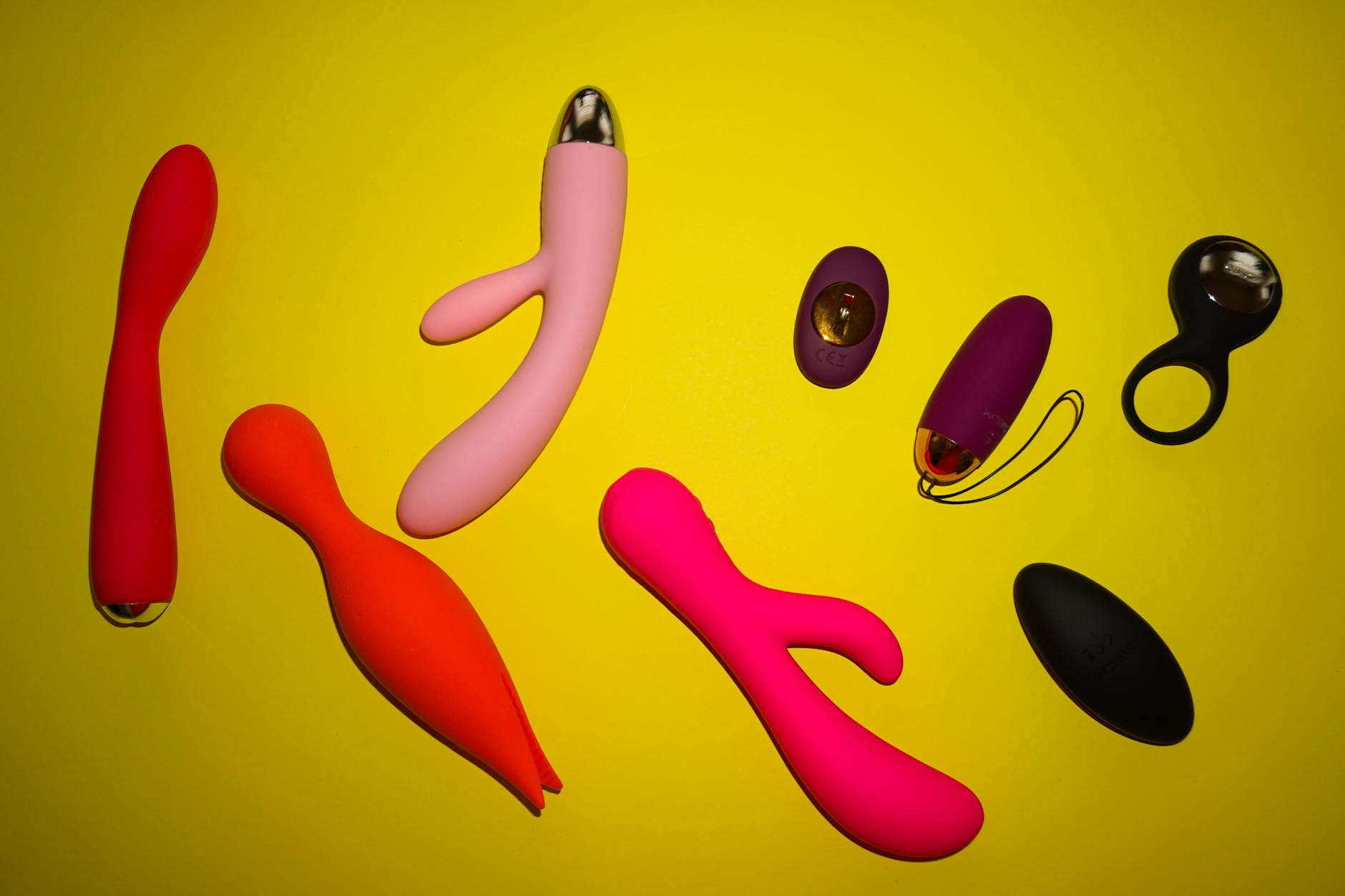
Here's what nobody tells you about lemon vibrators
You buy a device like the Lem, turn it on, and assume there's a right way to use it. There isn't. Your body is not a standard setting. The pattern that makes your friend lose her mind might make you numb. The intensity your partner swears by might feel like an assault on your nervous system. This isn't a flaw in you or the toy. It's just anatomy meeting physics, and once you understand it, everything changes.
Why intensity patterns matter more than you think
Let's start with the obvious: lemon vibrators don't all vibrate the same way. A lemon clitoral vibrator like the Lem uses air-suction technology combined with vibration patterns, which means you're not just dealing with intensity level one through five. You're choosing between rhythm, frequency, and the quality of the sensation itself. Some patterns focus on steady pulses. Others layer in wave sequences or rapid-fire taps. One person's sweet spot is another person's sensory overload.
Your clitoris has roughly 8,000 nerve endings, but they're not uniformly distributed or equally sensitive. Some days your entire hood feels electric. Other days you need direct, concentrated pressure just to register a signal. That's not broken. That's just your nervous system doing its job, which means your ideal lemon vibrator settings shift based on stress, cycle, medication, mood, and honestly, just Tuesday afternoon.
Body type and vibration response
When I talk about body type here, I'm not talking about weight or shape. I'm talking about clitoral anatomy, which varies wildly and matters more than we ever discuss.
Some people have a hood that retracts easily, exposing the clitoral glans directly. Others have a thicker hood that stays put. Some have a glans that sits prominent and forward. Others find theirs tucked back or to the side. If you're the former, you can tolerate higher intensity on the Lem because there's some built-in protection from direct contact. If you're the latter, you might find even pattern three on a lemon clitoral vibrator sends you into hypersensitivity territory.
This matters because it explains why your friend can camp out on the highest setting while you're wincing at medium. Neither of you is wrong. You're just working with different starting points.
The other variable is firmness of tissue. Younger tissue, tissue that hasn't been through trauma or surgery, and tissue with good blood flow tends to register sensation more quickly. If you're recovering from pelvic trauma, surgery, or even extended sexual inactivity, your tissues need slower, gentler input to wake up without triggering a protective clench. The patience here is not weakness. It's strategy.
Sensitivity patterns and lemon vibrator settings
Let's talk about the actual settings on something like the Lem. Most lemon sexual toys offer multiple patterns alongside intensity levels. You might have a steady pulse, a climbing wave, a flutter, or a staccato rhythm. Each one feels completely different, and not all of them work for every body.
If you're highly sensitive (you feel touch quickly, you're easily overstimulated, bright lights bother you, loud noises spike your anxiety), start with the gentlest pattern. Often that's a slow wave or steady low-frequency pulse. Your nervous system is already primed to register input, so it doesn't need volume. It needs clarity. A crisp, defined rhythm at low intensity often does way more for a sensitive person than cranking a chaotic pattern to max.
If you're low sensitivity (you need consistent, pronounced input to feel anything, you don't startle easily, you prefer deep pressure), you might skip the gentle patterns entirely and go straight to staccato or flutter at medium intensity. You're not damaged. Your nervous system just needs more delineated information. Give it texture, rhythm, and punch.
If you're somewhere in between (which is most people), this is actually where the exploration gets fun. You get to play with every pattern and find which one makes your brain light up. That might change based on the time of month, whether you've eaten, if you're anxious, or if it's the third time you're trying in one evening. All of that is normal.
The hormonal shift factor
One thing I see constantly in my work with couples is that the same setting that worked three weeks ago suddenly feels off. Before your period, estrogen is lower, tissue is less plump, and you might need more intensity or longer warm-up. Mid-cycle, when estrogen peaks, your clitoris is actually slightly swollen, and you might find that previous go-to intensity now feels too much. After ovulation, when progesterone rises, some people want slower, deeper rhythm over quick pulses. Post-menopause, lower estrogen means tissue is thinner overall, and many people find they need to dial back intensity even if they could handle it before.
This isn't intuitive, and most toy guides completely skip it. But if you're using a lemon vibrator and wondering why it feels different from month to month, hormones are the answer. The fix is simple: buy the flexibility. A device with multiple patterns and levels lets you adjust on the fly instead of assuming something's wrong with you.
Medication side effects and your ideal settings
If you're on antidepressants, certain blood pressure medications, or antihistamines, your baseline sensitivity is already altered. Numbing is a common side effect of SSRIs in particular. That doesn't mean orgasm is off the table. It means your lemon clitoral vibrator settings need to shift. Some people find that a higher intensity pattern cuts through the medication fog. Others find that a longer warm-up (15 to 20 minutes) with a medium pattern works better than cranking intensity. Some people benefit from pattern layering. You start with one rhythm, build arousal, then shift to a different pattern mid-session to keep the sensation fresh and prevent adaptation.
If you're on medication that affects your sensation, a lemon sucker like the Lem with multiple pattern options is actually better than a traditional vibrator because you have more texture to work with. You're not stuck in one lane.
Finding your settings: the exploration map
Honestly though, the best way to figure out your ideal lemon vibrator settings is to get systematic about it. Here's what I recommend.
Start solo. No partner, no time pressure, just you and your device and maybe a good hour where you won't be interrupted. Pick a time when you're relaxed, fed, and not stressed. Begin with the gentlest pattern at the lowest intensity. Spend two to three minutes at that setting. Notice what happens. Does it feel good? Does it feel like nothing? Does it feel too much? Then move to the next pattern or level up slightly. Don't rush. You're mapping your nervous system, not auditioning for a performance.
Keep notes if you're into it. No judgment, just "pattern three, intensity two, felt numb" or "wave pattern at medium, buildable, liked it." After a few sessions, you'll see patterns in your own patterns. You'll know that you always prefer rhythm over steady. That medium beats high. That you need warmup time. That friction actually helps you more than suction alone.
Once you know your solo baseline, you can play with variables. Try the same setting when you're aroused versus not. Try it when you're ovulating versus menstruating. Try it if you've had a stressful day versus a relaxed one. Your ideal lemon adult toy settings aren't one fixed dial. They're a range, and knowing your range is power.
When to upgrade or adjust your approach
If you find yourself cranking intensity higher and higher just to feel something, two things might be happening. One, you're adapting. Your nervous system is getting used to that sensation and asking for more novelty or intensity to maintain the same response. That's not addiction. That's neural adaptation. The fix is taking a break for a week or two, switching patterns, or adding a different toy into the mix so your body gets fresh input.
Two, you might have a sensitivity shift. Lower sensitivity can come from stress, depression, medication changes, or relationship stuff. It can also just be age or hormones doing their thing. If you're genuinely not feeling the same response you used to, that's worth checking in with a healthcare provider about. Reduced sensation can sometimes signal blood flow changes or hormonal shifts that benefit from professional input.
Similarly, if you're finding yourself in pain during or after, stop and reassess. Pain is not a sign you need higher intensity. It's usually a sign you need less intensity, more lubrication, more warm-up, or possibly a different pattern altogether. A lemon clitoral vibrator should feel good, not brutal.
Partner-friendly settings
If you're using your lemon vibrator with a partner, you've got new variables: their comfort level, your combined arousal pace, and whether you're using it internally, externally, or both. This is where communication matters more than the device. Tell your partner what you like. Show them. Don't make them guess. A partner who's willing to learn your settings and adjust on the fly is worth keeping.
Many couples find that the Lem or another lemon sexual toy works best in foreplay, then transitions to partnered activity. Others use it throughout. Some people want it on during penetration. Others prefer to use it solo during partnered sex. None of these are standard. All of them are fine. The only requirement is that both people are comfortable and genuinely enjoying it.
FAQ
What intensity level should I start with on a lemon clitoral vibrator?
Start at the lowest intensity and gentlest pattern. Spend a few minutes there. Your nervous system will tell you if it needs more. If you feel nothing after five minutes, level up one step. Most people find their sweet spot somewhere in the middle ranges, not at the maximum.
Can I damage my clitoris by using a lemon vibrator on high intensity?
Not directly. Your clitoris is remarkably resilient. What you can do is overstimulate your nervous system, which can cause temporary numbness or soreness. That's why starting low and building up matters. If you're sore after use, dial back the intensity and take a break.
Why does my lemon vibrator feel less intense with a partner than solo?
Partner presence and pressure changes arousal. You might be more self-conscious, more focused on them than yourself, or your body might be managing multiple sensations at once. All of that can dull perception. The fix is usually more warm-up time and honest communication about what you need.
Do I need to change my lemon vibrator settings if I'm on hormonal birth control?
Possibly. Some people find they're less sensitive on the pill or other hormonal methods. If that's you, you might need more intensity or longer warm-up. Try adjusting one variable at a time so you know what actually helped.
Should I use different settings depending on the time of my cycle?
You can. Many people notice they prefer different patterns and intensities based on hormone levels. Before your period might need higher intensity. Ovulation might feel good at medium. Post-ovulation might want slower rhythm. Experiment and see what your body prefers.
What if I can't orgasm even with the right intensity settings?
Orgasm is not just about device settings. Stress, anxiety, medication, relationship dynamics, and baseline nervousness all play huge roles. If you're struggling, it's worth checking in with a healthcare provider and considering therapy. A great lemon clitoral vibrator helps, but it's not a replacement for addressing what's actually in the way.
The real takeaway
Your body is not a problem that needs fixing with the right lemon vibrator settings. Your body is a system with preferences, and those preferences shift. The goal is not to find the one perfect intensity and camp there forever. The goal is to understand your nervous system well enough to adjust on the fly, to communicate what you need, and to give yourself permission to explore without shame. That's where real pleasure lives. If you're curious about how to incorporate your device into your relationship, check out our guide on using lemon vibrators with a partner when you have different sensitivities. And if you're rebuilding your relationship to pleasure after a life shift, our piece on using lemon vibrators when rebuilding desire after life stress covers that journey in detail. Your pleasure is worth the time it takes to figure out. Full stop.